Blog
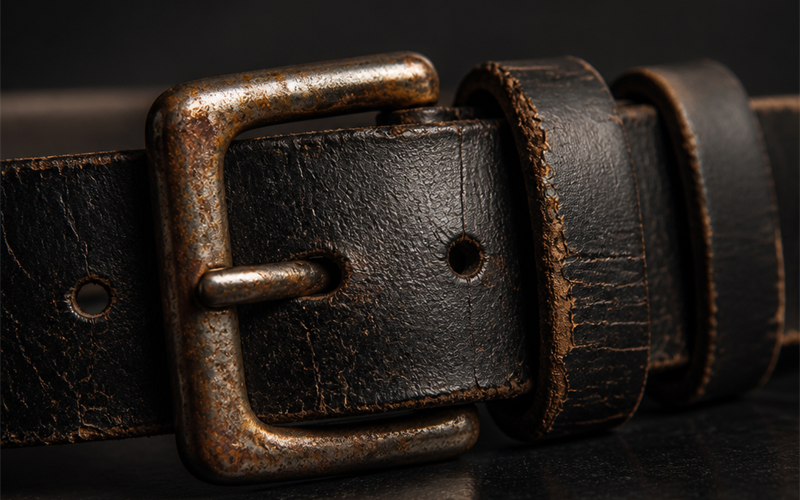
The Worst "Care" Mistakes That Quietly Kill Leather Belts
The biggest belt-killers aren't wear — they're well-intentioned care mistakes. Here are the seven worst, and how to avoid them.
Read more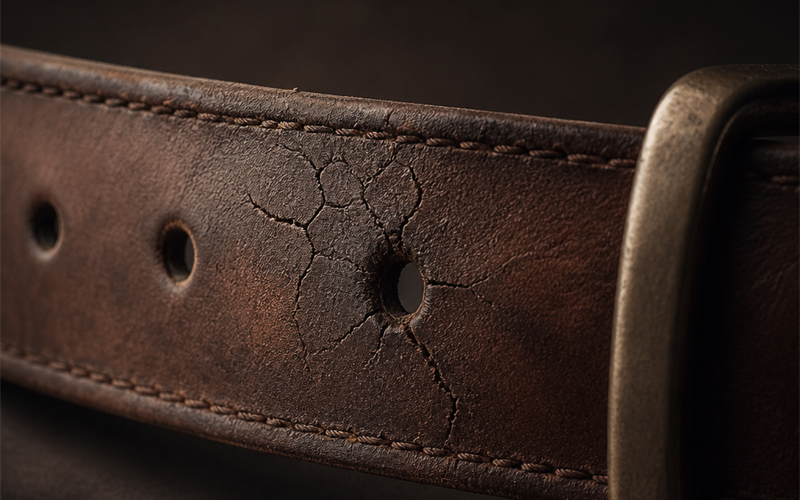
Winter Belts — Why Cold Cracks Leather and How to Prevent It
Cold weather cracks leather belts faster than most owners realize. Here's why winter destroys belts, and the conditioning routine that prevents it.
Read more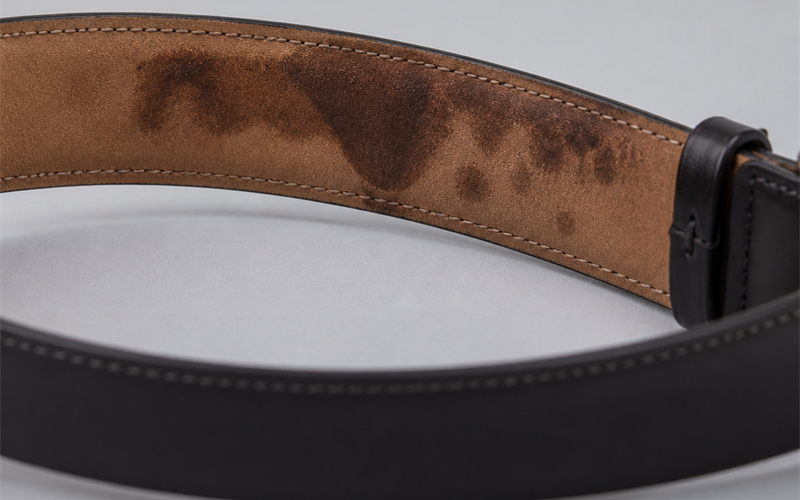
Why Your Leather Belt Sweats in Summer (and How to Stop It)
A sweaty leather belt isn't normal. Here's why it happens, what damage to expect, and the simple rotation that keeps your belt dry all summer.
Read more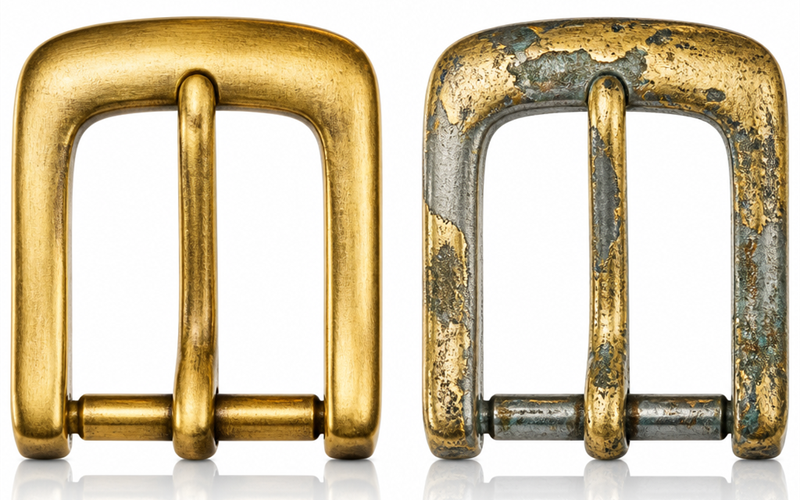
Why Some Buckles Patina Beautifully and Others Just Look Dirty
Patina or grime? The difference between a beautifully aged buckle and a dirty one comes down to metal, care, and environment. Here's why.
Read more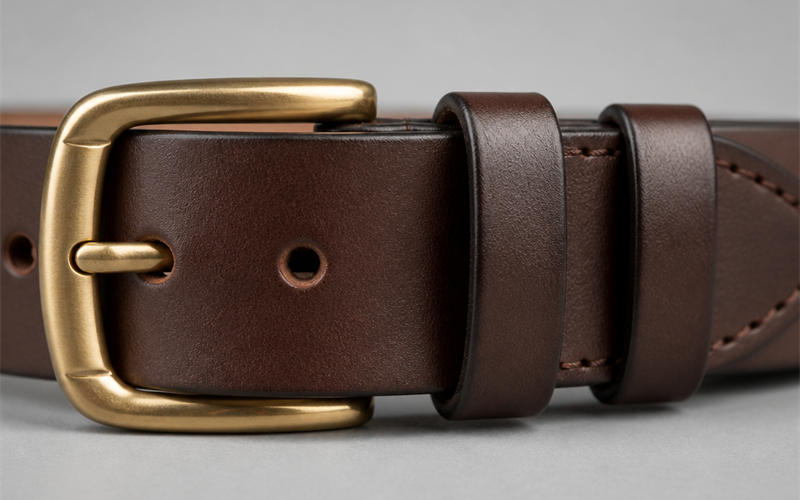
Why Some Belts Have a Keeper Loop and Some Don't
The keeper loop is the small loop next to the buckle that holds the belt tail. Here's why some belts have it, some have two, and some skip it entirely.
Read more
Why Italian Belts Use Solid Brass Buckles More Than American Belts Do
Italian belt makers favor solid brass buckles over zinc alloy or steel. Here's the historical, cultural, and material reason — and why it matters.
Read more
Why French Men Almost Never Wear a Belt with a Suit
Why French men rarely wear a belt with a suit — the tailoring tradition, the side-adjuster history, and what to do instead in 2026.
Read more
Why Edge Paint Cracks Before the Leather Does
Edge paint is the first thing to fail on most belts — before the leather itself. Here's why, and what burnished edges do differently.
Read more
Why Does My New Calfskin Belt Smell — and What's Normal?
Why does new calfskin leather smell? What's normal, what's a red flag, and how long the smell lasts — a practical leather guide from BELTLEY.
Read more
Why Do Italian Belts Have That Distinct Smell?
The famous smell of Italian leather belts comes from real chemistry — chestnut tannins, beeswax, and slow tanning. Here's what's actually in your nose.
Read more