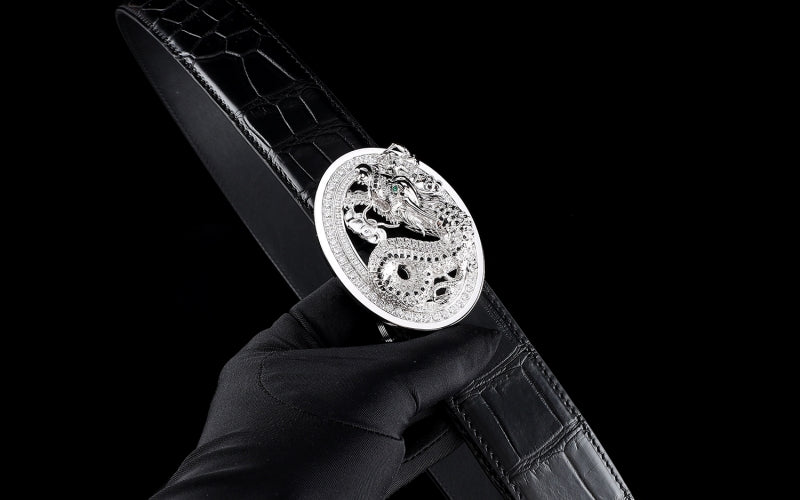
How Many Crocodiles Does It Take to Make One Belt?
TL;DR:
- A premium one-piece crocodile belt requires exactly one crocodile — but only if the animal is at least 1.5 meters long (about 5 feet).
- Smaller crocodiles can't yield a single uninterrupted belt strap, so cheaper belts use multi-piece construction from smaller hides.
- Only the belly section (roughly 30% of the hide) is used for luxury belts. The back, tail, and flanks are sold separately.
- A Hermès Birkin bag typically uses 3–4 crocodiles. A belt almost always uses one.
- Modern crocodiles are farmed for multiple products — meat, leather, and byproducts — so no animal is killed solely for a belt.
Quick Facts
- Crocodiles per one-piece belt: 1 (if hide is 40+ cm wide)
- Crocodiles per Hermès crocodile Birkin: 3–4
- Belly section as % of total hide: ~30%
- Years to grow farmed crocodile to belt size: 3–4
- Optimal harvest length: 1.5–2 meters
- CITES certificate requirement: Mandatory for cross-border legal sale
It's the question every thoughtful buyer eventually asks, and the luxury industry rarely answers directly: how many crocodiles actually go into the belt around your waist? The honest answer surprises most people. It's not three, it's not five, and it's almost never zero. The real math depends on hide size, belt width, construction method, and which part of the animal the leather comes from.
This guide gives you the unfiltered numbers — the hide measurements, the belly geometry, the cutting waste — and explains why a one-piece crocodile belt costs what it costs. We'll also cover the ethics question buyers most often whisper but rarely ask out loud. In our own workshop, we cut every belt as a single piece from one belly section — no splicing, no shortcuts. The math below explains why that constraint shapes everything about how we source.
How Many Crocodiles Does It Take to Make One Belt?
One crocodile produces one premium belt — provided the hide is at least 40–45 cm wide after tanning, which corresponds to a farmed crocodile of roughly 1.5 to 2 meters in length. Smaller hides force manufacturers into multi-piece construction or shorter belts. Larger hides produce one belt with usable leather left over for wallets or watch straps.

The math is geometry. A standard men's belt is 1.18"–1.5" wide (30–38mm) and 36"–44" long after the buckle. To cut that strap as a single uninterrupted piece — the gold standard for luxury belts — you need a hide section at least as long as the belt and at least as wide as the strap, plus trim allowance. Industry data confirms hides are graded by belly width in centimeters, with 40+ cm hides commanding premium pricing specifically because they yield single-piece belts.
Why Doesn't One Crocodile Always Equal One Belt?
Smaller crocodiles produce hides too narrow for a single-strap cut. A young farmed crocodile under 1.2 meters yields a hide roughly 25–30 cm wide — enough for a wallet or two, but not enough for a 38mm belt strap with the symmetrical scale pattern luxury buyers expect. Manufacturers either splice multiple sections together or use the hide for smaller goods.
Multi-piece belts are the budget compromise of the exotic leather world. A spliced belt joins two or three shorter sections of hide with a hidden seam, usually placed under the keeper loop or at the buckle end. Done well, the seam is nearly invisible. Done poorly, the scale pattern jumps abruptly mid-belt — a tell that distinguishes a true luxury piece from a budget alternative. Our guide on how to tell if a crocodile belt is genuine walks through how to spot splicing.
Designer houses occasionally use multi-piece construction even at premium price points, but they typically charge the same as single-piece — which is one of several reasons we wrote about the luxury crocodile Brand Tax.
How Big Is a Crocodile Hide?
A farmed Nile crocodile at typical harvest size (1.5–2 meters) yields a tanned hide approximately 30–45 cm wide and 100–150 cm long. The largest farmed Porosus saltwater crocodiles produce hides up to 50 cm wide. Wild crocodiles can grow much larger, but legal commercial leather comes almost exclusively from regulated farms.

Hide size matters because exotic leather is graded entirely by belly width. The IUCN Crocodile Specialist Group reports that farms specifically target a 1.5–2 meter harvest size as the optimal balance between hide quality and growth cost — older animals develop scarring, and younger ones produce hides too small for premium goods.
| Crocodile species | Typical farmed length | Tanned hide width | Belt yield |
|---|---|---|---|
| Caiman | 1.0–1.4 m | 20–28 cm | Multi-piece only |
| Nile (Niloticus) | 1.5–2.0 m | 28–40 cm | One belt + small goods |
| Saltwater (Porosus) | 1.8–2.5 m | 35–50 cm | One premium belt + wallet |
| American alligator | 1.8–2.5 m | 32–45 cm | One belt + watch strap |
For a deeper breakdown of how species affects scale and price, see our Porosus vs Niloticus crocodile belt guide and crocodile leather types for belts.
Key Takeaways
- One crocodile = one premium belt, provided hide is 40+ cm wide
- Belly section is 30% of hide, the only zone with luxury-grade scales
- Hermès Birkin uses 3–4 crocodiles vs 1 for a belt
- Caiman hides are too narrow for one-piece belts (multi-piece only)
- Nothing is wasted — back, tail, flanks all sold to other goods makers
Why the Belly Is the Only Part That Matters
The belly is the only section of a crocodile that produces the smooth, uniform, square-scale leather buyers associate with luxury. The back is covered in dense, raised bony plates called osteoderms that resist tanning. The tail produces a different scale pattern entirely. The flanks are usable but small.
When a luxury house buys a crocodile hide, it's really buying about 30% of the animal — the belly section, sometimes called the "belly cut." The belly is the only zone with the soft, pore-visible scales that command premium pricing. The hornback (back) leather is sold separately at lower prices for boots, briefcase trim, and accent panels — see our hornback vs belly cut crocodile belt guide for the full visual difference.
This is why the question "how many crocodiles per belt" is misleading on its own. A more accurate phrasing: how many belly sections per belt? Almost always: one.
How Many Belts Can One Crocodile Produce?
A single farmed crocodile of premium harvest size (1.8–2 meters) yields enough belly leather for one luxury belt plus one or two smaller goods such as a wallet, cardholder, or watch strap. The tail and back produce additional pieces sold to other manufacturers. Nothing is wasted in a properly run tannery.

The yield breakdown looks roughly like this:
- Belly section → 1 luxury belt (or 1 small handbag)
- Tail → 1 watch strap or cardholder
- Hornback → boot trim, briefcase corners, accent panels
- Flanks → small wallets, keychains, business card holders
- Scrap → glue stock, gelatin, animal feed
According to Wikipedia's overview of crocodile skin, the full-utilization model is what keeps farmed crocodile economically viable — selling only the belly would make every piece prohibitively expensive.
How Many Crocodiles for a Hermès Birkin Compared to a Belt?
A Hermès Birkin in crocodile typically uses 3–4 crocodiles, because the bag's surface area, handles, gussets, and matching panels require multiple uniform belly sections. A single crocodile belt almost always uses one animal. This is one of the structural reasons crocodile bags cost 10–20x more than crocodile belts.

The bag math is unforgiving. To produce a Birkin where every panel matches in scale size, color, and grain, the maker selects four hides from the same dye batch and sometimes the same farm cohort. Three or four hides become one bag, with significant offcut waste even at the highest price points. A belt, by contrast, is a long thin strip — a single hide easily covers it with leather to spare. This is also why a crocodile briefcase sits in the 4–6 hide range and costs accordingly.
Are Crocodiles Killed Just for Belts?
No. Modern commercial crocodiles are farmed for multiple products — meat, leather, and byproducts including gelatin and pharmaceutical materials. Leather is one revenue stream among several. No farmed crocodile is raised solely for a belt, and wild-harvested crocodile leather is illegal in most major markets under CITES Appendix II regulations.
This matters for the ethics conversation. Crocodile farming, when properly regulated, contributes to species conservation by giving the animals direct economic value — a model conservation biologists call sustainable use. Programs in Australia, Zimbabwe, and Louisiana have specifically credited regulated farming with bringing several crocodilian species back from near-threatened status. The full breakdown of legality and ethics lives in our guide on whether alligator and crocodile belts are legal and whether they're safe and ethical.
What This Means for the Price of Your Belt
A real one-piece crocodile belt represents the value of a full-grown farmed crocodile — minus the meat and byproduct revenue, plus tanning, hand-cutting, edge painting, hardware, and labor. That math floors the price somewhere around $250–$400 at the most aggressive DTC pricing. Belts sold below that range are almost certainly multi-piece, embossed cowhide, or counterfeit. We break down realistic pricing tiers in our crocodile leather belt price guide.

The 5x–20x markup at designer houses isn't paying for more crocodiles. It's paying for retail rent, advertising, and brand prestige.
The Bottom Line
One crocodile, one belt — that's the simple answer to a question that sounds complicated. The complexity hides in the geometry: the hide has to be wide enough, the belly has to be intact enough, and the cut has to be patient enough to yield a single uninterrupted strap. When all three conditions are met, a luxury crocodile belt represents the careful use of a single farmed animal whose other parts feed multiple supply chains.
At BELTLEY, we cut every crocodile belt as a one-piece strap from the belly section of a single legally sourced hide — no splicing, no shortcuts, no Brand Tax. Out-of-stock or custom pieces are made to order in roughly 3 weeks, including hide selection. If you want to see what a single-hide belt looks like in person, start with our Black Nile Crocodile Automatic Belt — it's the cleanest example of what one crocodile, one belt, one craftsman should produce.
Browse the BELTLEY Crocodile Belt Collection →
Frequently Asked Questions
Q: Does it really only take one crocodile to make a belt?
For a premium one-piece belt, yes — provided the crocodile is large enough to yield a hide at least 40 cm wide. Smaller animals require multi-piece construction with two or three hide sections joined together.
Q: How many crocodiles does Hermès use for a Birkin?
A standard 30 cm Crocodile Birkin uses approximately three to four hides. Larger sizes or matched-color sets can require more. This is one of the main drivers behind crocodile Birkin retail prices in the $50,000+ range.
Q: Why is the belly section the only part used for luxury belts?
The belly produces smooth, uniform, square-scale leather with the visible pore (in Porosus) or the bold rectangular grain (in Niloticus). The back is covered in bony osteoderms that resist tanning. Only the belly delivers the look luxury buyers expect.
Q: Are wild crocodiles used to make belts?
No, not legally. All commercial crocodile leather sold in major markets — the US, EU, UK, Japan, and Australia — must come from regulated farms or sustainably managed wild-harvest programs under CITES Appendix II.
Q: How long does it take to grow a crocodile to belt size?
A farmed Nile crocodile reaches the optimal harvest size of 1.5–2 meters in roughly 3–4 years. Saltwater (Porosus) crocodiles take slightly longer due to slower growth rates, contributing to their higher hide pricing.
Q: Is buying a crocodile belt environmentally responsible?
When the belt is sourced from CITES-compliant farms, yes — sustainable crocodile farming has been credited with stabilizing several crocodilian populations by giving the species direct economic value. Always verify CITES documentation before purchase.
By the BELTLEY artisan team — handcrafting exotic leather belts since 1999. Last updated: May 10, 2026.
.%0ASmaller%20crocodiles%20can't%20yield%20a%20single%20uninterrup...)