Luxury Crocodile Belt You Want — Without the Brand Tax
Here's something nobody in the luxury belt industry wants to say out loud: a $2,000 Gucci crocodile belt and a $250 handcrafted DTC crocodile belt can use the exact same hide.
Same species. Same Grade 1 belly-cut leather. Same 20-to-25-year lifespan. The difference isn't the crocodile — it's the name on the buckle and the enormous retail infrastructure behind it.
That's the Brand Tax. And if you're shopping for a real luxury crocodile leather belt, understanding it is the most valuable thing you can do before spending a dollar.
What the Brand Tax Actually Is
The Brand Tax isn't a conspiracy — it's just how the traditional luxury industry operates.

When a heritage house sells you a crocodile belt, you're paying for:
- The leather and craftsmanship (genuine cost)
- The flagship retail stores on Rodeo Drive and Rue du Faubourg Saint-Honoré
- The global marketing campaigns
- The celebrity endorsements
- The waiting lists engineered to create scarcity
- The cost of the logo's century of brand-building
- And the profit margins that keep shareholders happy
According to Fashion United's analysis of luxury pricing structures, luxury brands routinely apply markups of 3x to 10x production costs — with some categories reaching far beyond that. A leather goods item that costs $200 to produce can retail for $2,000 with no material upgrade whatsoever. The markup reflects the brand's positioning budget, not the quality of the hide.
For a basic calfskin belt, you can argue the brand experience has value. For a crocodile belt — where the material itself is exceptional and the craftsmanship is verifiable — you're paying mostly for the logo.
What's Inside a $2,000 Crocodile Belt
Pull back the curtain on a Gucci or Hermès crocodile belt and here's what you actually find:

The leather: Grade 1 or Grade 2 belly-cut crocodilian hide, sourced from CITES-compliant farms. Available to any manufacturer willing to pay the wholesale price. The same tanneries that supply luxury houses also supply independent craftsmen and DTC brands. The leather doesn't know whose name is going on the buckle.
The buckle: High-quality hardware — typically brass or a brass alloy. Some houses use palladium plating. Quality hardware matters, but a stainless steel buckle from a DTC brand is genuinely more corrosion-resistant than plated brass at any price point.
The construction: Hand-stitched edge finishing, quality lining, careful hole placement. This is the craftsmanship variable where price differences are most legitimate — and where choosing a DTC brand that works in small batches with experienced artisans closes most of the gap.
What you're not getting for the extra $1,500 is better leather. Gucci's crocodile belts run $895 to $2,300 depending on style. Hermès crocodile belts start higher. The leather in both is genuinely premium — but it's the same premium leather that a serious independent craftsman uses. The markup isn't about the hide.
For a full breakdown of what crocodile leather actually costs at the material level, our crocodile leather belt price guide runs the numbers clearly.
The Real Cost Structure of a Crocodile Belt
Let's be direct about what a quality crocodile belt actually costs to make.
Grade 1 Nile or saltwater crocodile belly leather — the hide section required for a premium belt — runs $80 to $150 per usable square foot at wholesale. A belt requires approximately 0.5 to 0.75 square feet of leather. Add quality hardware, skilled labor in a small-batch production environment, edge finishing, and quality control, and the honest production cost of a well-made crocodile belt lands somewhere between $60 and $120.
A DTC brand charging $200 to $299 for that belt is operating with a healthy but reasonable margin. That's sustainable business, not exploitation.
A heritage house charging $2,000 for the same belt is charging $1,700+ for the logo, the marketing, the retail experience, and the psychological experience of owning something with that name attached to it.
Both are legitimate transactions — but only one of them is about the belt.
The "Smart Money" buyer understands this distinction. They want the leather. They don't need to pay for the flagship store.
Does the Brand Name Affect Quality?
Sometimes. But less than you'd think — and less than you're paying for.

The most legitimate quality argument for heritage houses is consistency at scale and institutional expertise in finishing. Hermès, in particular, operates its leather goods workshops at a level of craftsmanship that is genuinely exceptional. The hand-stitching, edge painting, and quality control at that tier are hard to argue with.
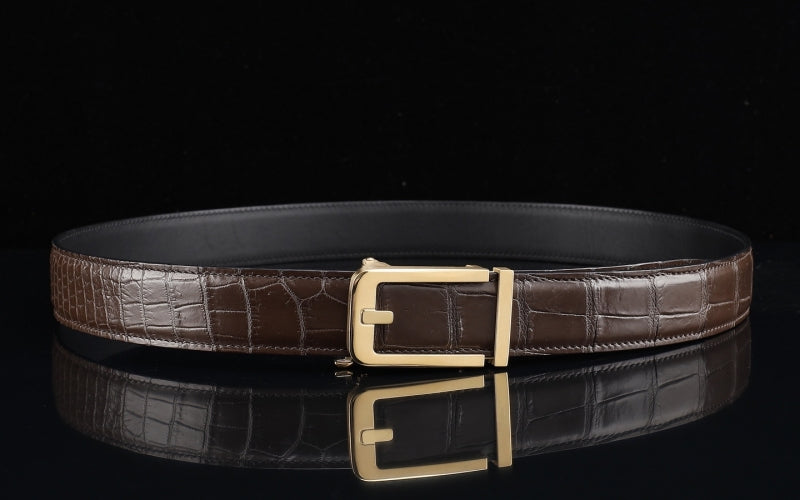
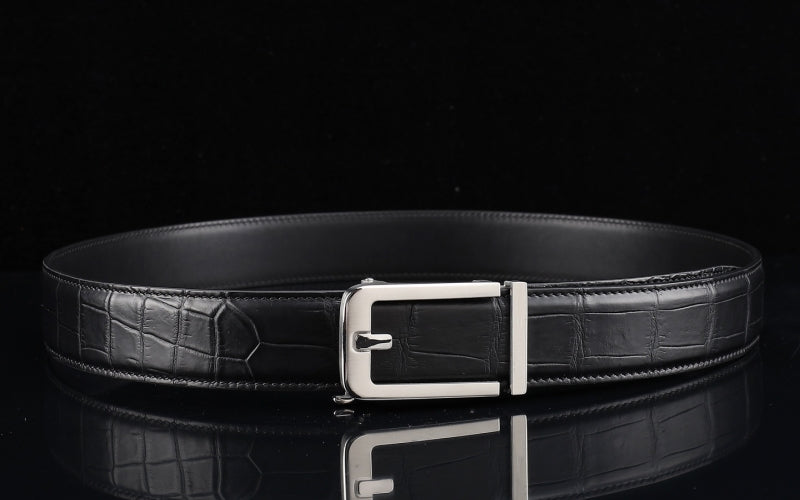
But that level of production craft isn't exclusive to houses with four-digit price tags. BELTLEY has been working with exotic leather for 25+ years, since 1999. Our belts are handcrafted in small batches by artisans who specialize in exactly this — not generalist factory production, but focused expertise in exotic leather goods. The stainless steel buckles we use are more corrosion-resistant than plated brass. The Grade 1 belly hides we hand-select are the same grade used in heritage luxury goods.
What we don't have is a flagship store in Paris or a brand ambassador campaign. That's why a BELTLEY crocodile belt costs $118 to $289 instead of $2,000. Not because the leather is different.
What Justifies Paying the Brand Premium (And What Doesn't)
To be fair: there are legitimate reasons to buy a Hermès or Gucci crocodile belt.

Worth it if:
- You want the specific resale value retention that top-tier luxury brands provide. Hermès pieces can resell at 60–80% of retail after years of use. That's a financial argument, not a leather argument.
- The gift or purchase has symbolic significance where the brand name is part of the meaning.
- You genuinely value the brand heritage, the craftsmanship reputation, and the retail experience as part of the purchase.
Not worth it if:
- You want the best possible crocodile leather belt for daily wear and long-term use.
- You're evaluating on a cost-per-year basis and want maximum material quality per dollar spent.
- You're the "Smart Money" buyer who knows the difference between paying for a hide and paying for a logo.
For most people who want a genuine luxury crocodile belt to wear — not display or eventually resell — the Brand Tax is dead money. The leather quality available outside heritage retail is identical. The craftsmanship, at a quality-focused DTC brand, is comparable.
Our post on why is alligator leather so expensive breaks down the genuine cost drivers (CITES regulation, farming, tanning, skilled labor) versus the artificial cost drivers (retail infrastructure, brand positioning) in more detail.
What to Look For in a Luxury Crocodile Belt — Brand Tax or Not
Whether you buy from a heritage house or a DTC brand, these are the material and construction criteria that actually matter:

The hide
- Species identified (Nile crocodile, saltwater crocodile, American alligator, or caiman — in descending quality order for most applications)
- Cut specified (belly is premium; hornback is bolder but stiffer)
- Grade implied by visual consistency — symmetrical scale rows, no visible scarring in the center panel
The hardware
- Buckle material: stainless steel or solid brass, not plated zinc
- Buckle finish: should feel solid and heavy, not hollow
- Prong action: smooth and precise, not gritty
The construction
- Edge finishing: hand-painted, burnished edges (not raw or painted over sloppily)
- Stitching: tight, even, consistent spacing if stitched; clean bonding if unstitched
- Lining: quality lining adds structure and protects the outer hide from sweat
The warranty
- Any brand serious about their leather backs it with a meaningful warranty. Our 10-year warranty on materials and construction isn't marketing language — it reflects confidence in what's in the belt.
For a broader assessment of how different brands actually compare on these criteria, top 10 luxury belt brands in the world puts the landscape in context.
The Bottom Line
Luxury crocodile leather is a legitimate material investment. The hide is exceptional, the lifespan is measurable, and the craftsmanship required to work it correctly is real. None of that requires paying a $1,500 logo premium.
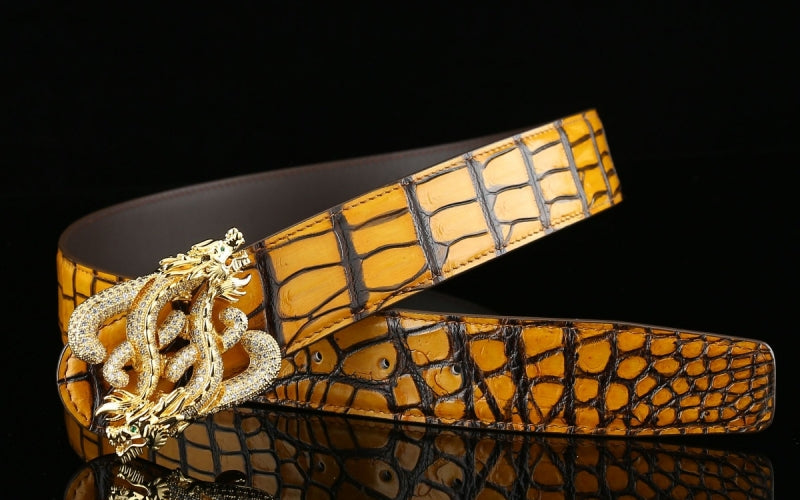
BELTLEY exists for the buyer who wants the leather, not the label. Every belt is handcrafted in small batches from Grade 1 belly-cut exotic hides, paired with stainless steel hardware, and backed by a 10-year warranty. At $150–$299, you're paying for the crocodile — and nothing you don't need. Free worldwide shipping and 30-day hassle-free returns mean there's no risk in finding out for yourself.
Browse the crocodile and alligator belt collection — and decide for yourself whether the Brand Tax was ever worth it.
Frequently Asked Questions
Q: What is the Brand Tax on luxury crocodile belts?
The Brand Tax is the portion of a luxury belt's price that reflects the brand's marketing, retail infrastructure, and logo value — not the material or craftsmanship quality. For crocodile belts from heritage houses like Hermès or Gucci, the Brand Tax can account for $1,000 to $1,800+ of the retail price. The actual leather is available to quality DTC manufacturers at the same wholesale grade.
Q: Can I get the same quality as a Gucci or Hermès crocodile belt for less?
For the leather quality — yes. Grade 1 belly-cut crocodile hide is sourced from the same CITES-compliant tanneries by heritage houses and quality DTC brands alike. The craftsmanship gap is real but narrower than the price gap suggests: a DTC brand producing in small batches with experienced artisans can match construction quality at a fraction of the price. What you won't get is the brand name, the resale value, or the flagship store experience.
Q: How much should a real luxury crocodile belt cost?
A genuinely premium crocodile leather belt — Grade 1 hide, quality hardware, small-batch handcrafted production — should cost $150 to $299 from a DTC brand, or $400 to $800+ from specialty retailers. Heritage house pricing of $1,000 to $2,500+ reflects brand positioning, not a proportional increase in material or construction quality. Anything below $100 is almost certainly embossed cowhide, not genuine crocodile.
Q: Are DTC crocodile belts as durable as designer ones?
Durability is determined by the hide quality, construction, and hardware — not the brand name. A DTC crocodile belt built from Grade 1 belly leather with quality stainless steel hardware will last 20–25+ years under the same conditions as a heritage house equivalent. The Brand Tax does not extend the belt's lifespan. See our durability data for crocodile leather belts for the full breakdown.
Q: Is it worth buying a Hermès crocodile belt as an investment?
Only if resale value matters to you. Hermès leather goods hold their value unusually well — reselling at 60–80% of retail after years of use is realistic for top-tier pieces. If you're buying a belt to wear, the Brand Tax doesn't return value. If you're buying it partially as a collectible or status asset, the heritage premium has a separate logic. For most buyers who simply want the best crocodile leather belt they can wear every day, the DTC route delivers better value.