Blog
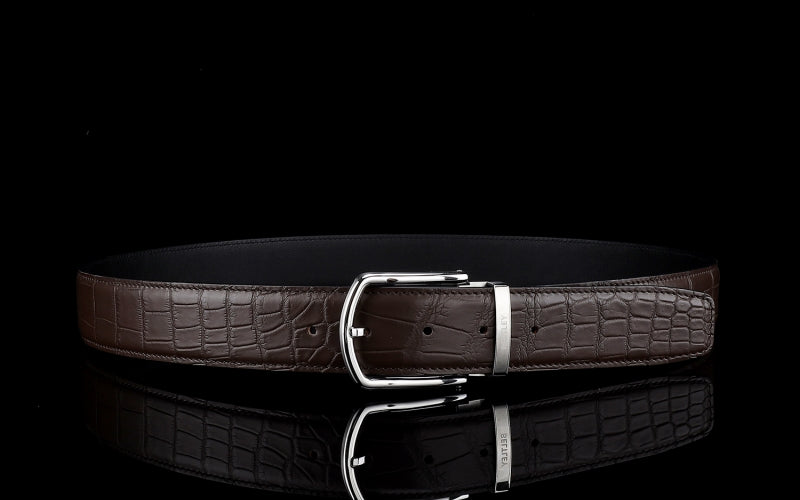
How to Measure Belt Size Without a Measuring Tape
TL;DR: The easiest method: measure an existing belt that fits well, from the buckle bar to the hole you use — that measurement is your belt size. No existing belt? Add 2 inches to your trouser wai...
Read more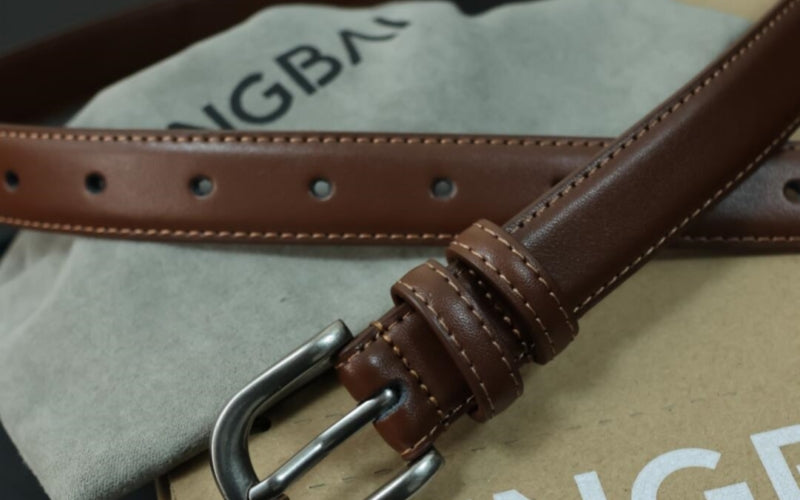
What Does "Bonded Leather" Mean in a Belt Description?
TL;DR: Bonded leather is made from shredded leather scraps and fiber dust mixed with polyurethane or latex binder, then pressed onto a fiber or paper backing — it is not solid leather. Leather con...
Read more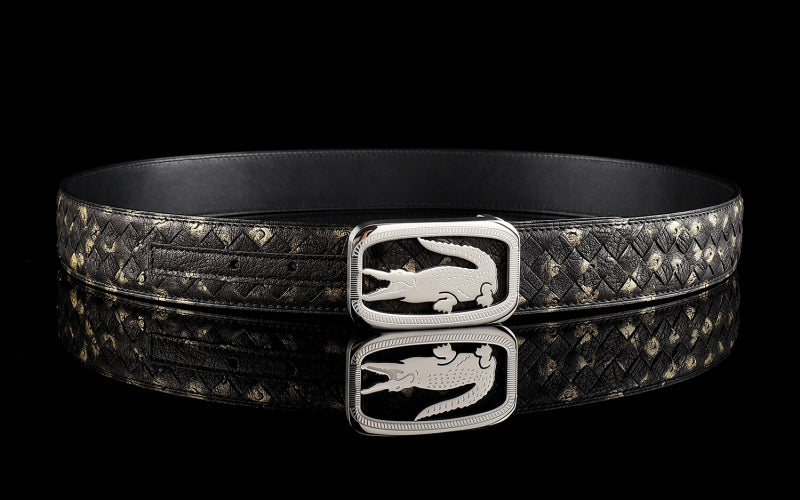
How to Tell If a Leather Belt Is Handmade or Mass-Produced: 7 Clear Signs
TL;DR: The clearest physical signs of a handmade belt: hand-burnished edges with slight irregularity, saddle stitching with waxed thread, and full-grain leather with natural grain variation. Mass-...
Read more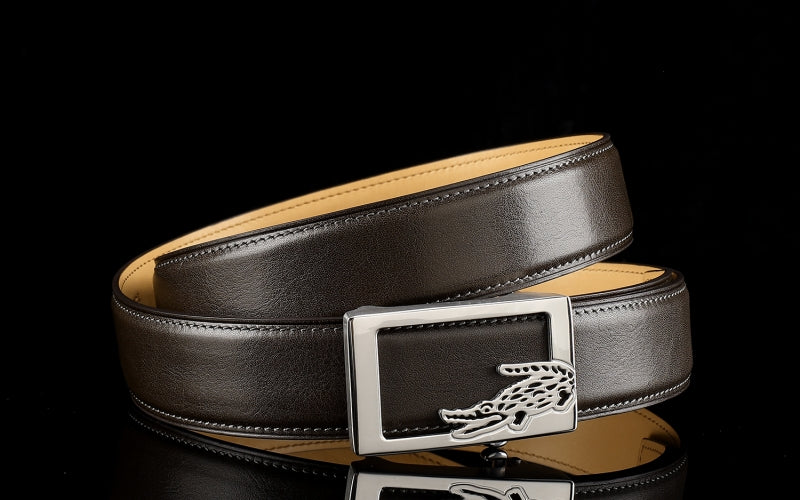
Is a $100 Leather Belt Worth It? The Cost-Per-Wear Breakdown
TL;DR: A $100 full-grain leather belt worn 3x per week for 10 years costs roughly $0.06 per wear. A $25 belt replaced every 18 months costs $0.10+ per wear — and often more in total spend. The qua...
Read more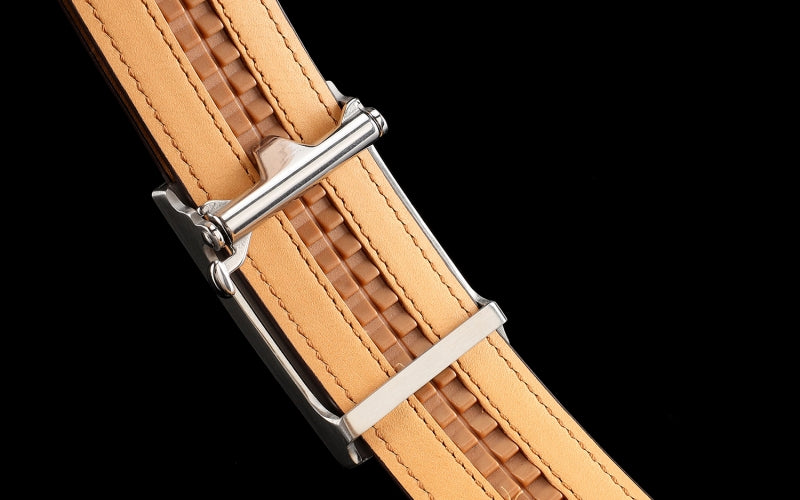
How Ratchet Belts Work vs. Traditional Hole Belts: A Clear Comparison
TL;DR: A ratchet belt uses a hidden track sewn into the leather with 30–40 notches, allowing ¼-inch micro-adjustments — roughly 4x the precision of traditional hole belts. Traditional belts use a ...
Read more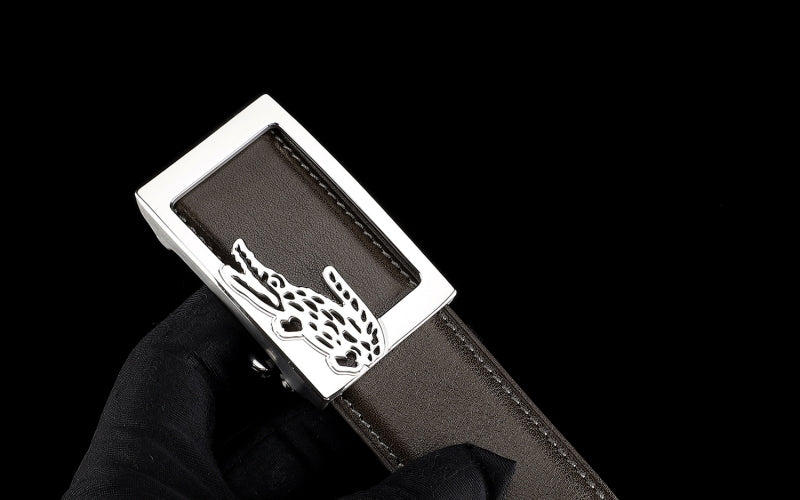
Are Nickel-Free Leather Belts Safe for Metal Allergies?
TL;DR: Nickel allergy is the most common contact allergy — roughly 1 in 5 people in North America are affected, and belt buckles are a leading trigger point. Nickel-free belts are genuinely safe f...
Read more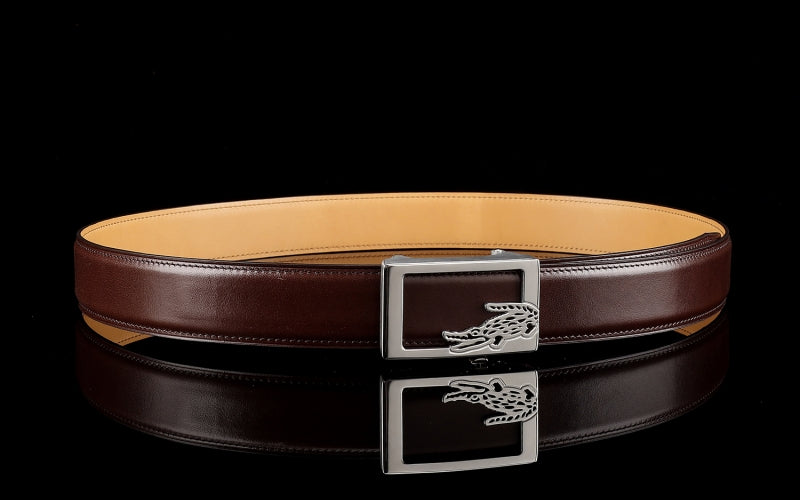
Why Italian Leather Belts Cost More: The Truth Behind the Price Tag
TL;DR: Italian leather belts cost more because of 60-day vegetable tanning, superior European hide selection, and genuine artisan production — not brand mythology. The real difference shows up ove...
Read more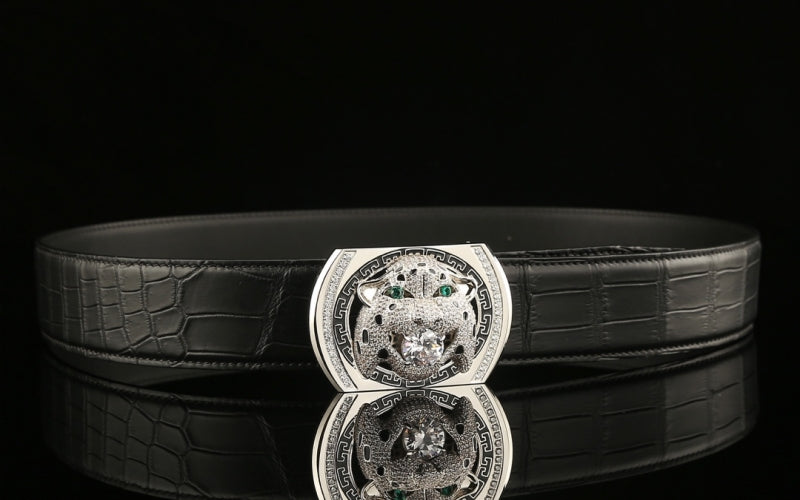
Crocodile Leather Belt as a Gift for Him:Why It Works and How?
TL;DR: A crocodile leather belt is one of the strongest luxury gift options for men — it's a daily essential, lasts 20–25+ years, and never ends up forgotten in a drawer. Black is the safest colo...
Read more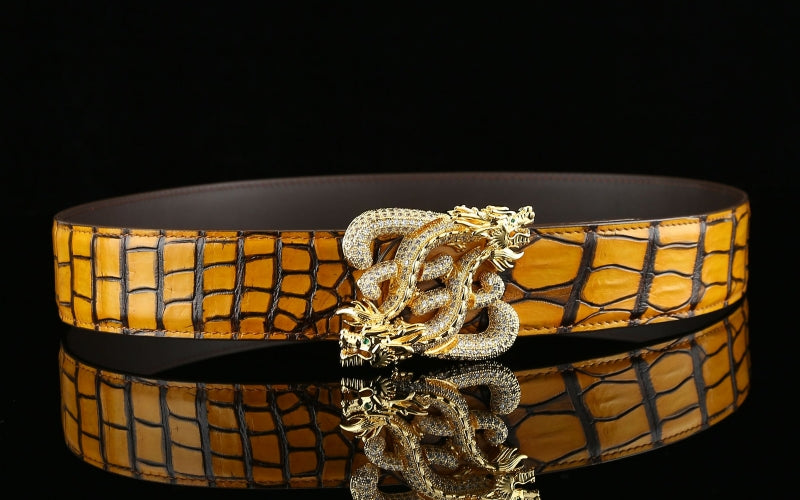
What Shoes Go With a Crocodile Belt? The Complete Matching Guide
TL;DR: Match the color family, not the exact shade — a cognac crocodile belt and dark tan shoes work together even if they aren't identical. Keep shoe texture simple — smooth leather oxfords, lo...
Read more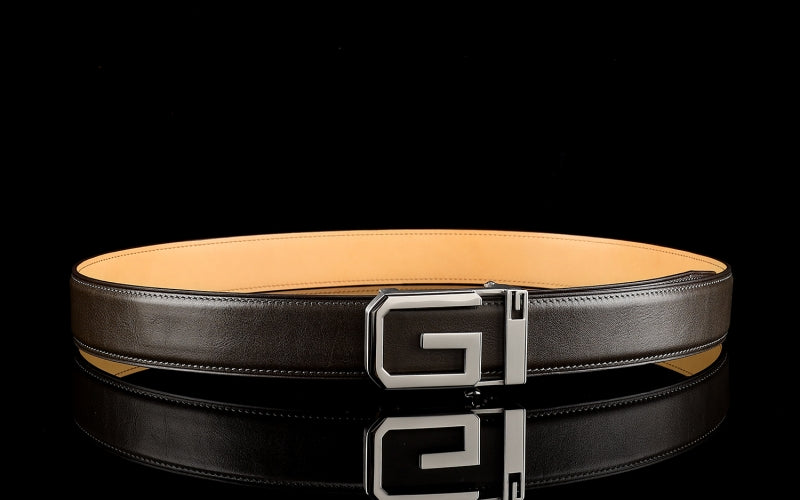
Vegetable Tanned vs. Chrome Tanned Leather Belt: Which Is Actually Better?
TL;DR: Vegetable tanning takes 30–60 days using plant-based tannins. Chrome tanning takes 24–48 hours using chromium salts. The difference in time reflects a genuine difference in leather structur...
Read more