What Is Leather Patina? (And Why It Makes Belts Better)
Quick answer: Leather patina is the rich, darkened sheen and color depth that develops on quality leather as it ages — the result of skin oils, friction, sunlight, and air gradually changing the surface over months and years. It's a hallmark of full-grain leather, which has an intact, breathable surface that absorbs those elements. Lower grades like genuine or bonded leather can't patina; they crack, peel, and fade instead. Far from wear and tear, a patina is a sign of quality and makes a belt look better the longer you own it.
Last updated: June 2026 • By BELTLEY
TL;DR:
- Patina = the natural color, depth, and sheen quality leather develops with age and use.
- What causes it: skin oils, friction, sunlight, moisture, and air over time.
- Only full-grain (and veg-tanned) leather patinas — its surface "breathes."
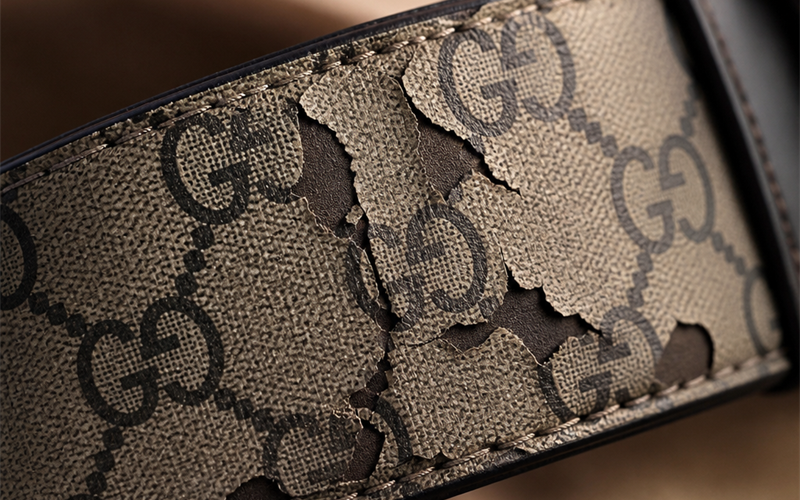
- Genuine/bonded leather can't — it peels, cracks, and fades instead.
- It takes months to years and is unique to each belt and owner.
- It's the opposite of damage — a sign of quality that improves with wear.
Here's the strange and wonderful thing about a quality leather belt: it's one of the only things you own that looks better the more you use it. That transformation has a name — patina — and it's the clearest proof that you bought real, top-tier leather. This guide explains what patina is, why only the best leather develops it, and how to encourage a beautiful one on your own belt. A fitting note to end on for anyone who values substance over logos. For the grade that makes it possible, see full-grain leather belts.
Will Your Belt Develop a Patina? Quick Guide
Match your leather to what to expect.

| Your leather | What happens over time |
|---|---|
| Full-grain leather | Rich patina — darkens, deepens, gains character |
| Vegetable-tanned leather | Strong patina, often dramatic color change |
| Top-grain leather | Some patina, lighter than full-grain |
| Genuine / bonded leather | No real patina — peels, cracks, fades |
| Heavily coated / "vegan" | None — the plastic surface just wears out |
Patina is a quality test you can see. To check your grade, see how to tell if a belt is full-grain leather.
What is leather patina?
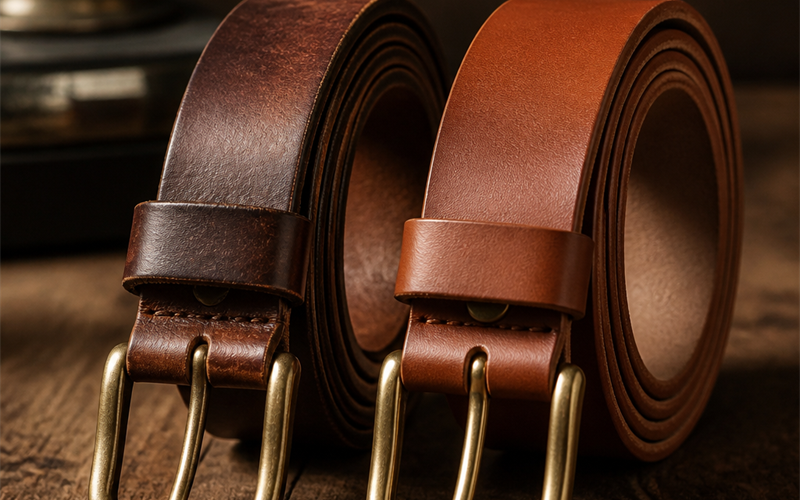
Leather patina is the natural change in color, depth, and sheen that develops on quality leather as it ages with use. It forms as skin oils, friction, sunlight, moisture, and air gradually alter the surface, giving the leather a richer, darker, more characterful look unique to each piece. It's a sign of fine leather, not damage.

The word itself applies across materials. As Wikipedia defines it, patina is "any...acquired change of a surface through age and exposure" — the same concept that greens copper or mellows old wood. On leather, that change is a warm darkening and a soft luster that builds over time. It happens because, as one leather guide explains, "every time you touch or handle a leather item, natural oils from your skin transfer to the surface, causing subtle changes in texture and color." Add sunlight, the friction of daily wear, and the moisture in the air, and the leather slowly develops a depth no new belt has. For more on how quality leather behaves, see the truth about leather belt durability.
Why does only full-grain leather develop a patina?
Only full-grain (and vegetable-tanned) leather patinas because its natural surface is intact and breathable, allowing it to absorb the oils, light, and moisture that create the aging effect. Lower grades like genuine and bonded leather have heavy coatings or are made from scraps, so they can't absorb anything — they peel and crack instead.

It comes down to the surface. Full-grain leather keeps the hide's outermost layer, with its natural pores open, so the leather can "breathe" and take in the elements that build a patina. As one leather source puts it, "unlike lower grades, it does not have a heavy plastic topcoat. This allows the leather to breathe" — which is why full-grain is called the king of patina. Coated, corrected, or bonded leathers seal the surface (or are simply glued scraps), so the oils and light can't penetrate; instead of aging gracefully, that surface peels, cracks, and fades. So patina isn't just pretty — it's evidence you bought real, breathable, top-tier leather. To compare grades, see full grain leather vs top grain leather.
Key stat: Patina is a built-in quality test. Full-grain leather has an intact, breathable surface that absorbs oils and light to age beautifully; genuine and bonded leather is coated or glued, so it can't patina at all — it cracks and peels instead. If your belt develops a rich patina, it was real full-grain. If it flakes, it never was.
How does a belt develop its patina?
A belt patinas through everyday wear: the constant friction of the buckle and clothing, the oils from your hands and body, exposure to light, and repeated bending all darken and soften the leather over time. Belts often show it first around the holes and buckle area, where contact is greatest, and develop unique fold patterns from flexing.

A belt is actually one of the fastest leather goods to patina, because it's handled and flexed constantly. Every time you fasten it, your fingers leave oils; every day it bends, rubs against your shirt and trousers, and catches light. That's why a well-worn belt darkens and softens noticeably around the buckle and holes first, and develops creases and a sheen that are entirely its own. The bending also makes it more comfortable as it conforms to you. Over months and years, no two belts age identically — yours becomes a record of your wear, which is a big part of the appeal. For why this beats a logo, see designer belt look without the logo.
How do you encourage a beautiful patina?
Use the belt often, handle it, and let it see indirect sunlight — natural use is the best patina builder. Condition it occasionally with a quality leather conditioner or natural oil to keep the fibers healthy as they age, and keep it clean of grit. Avoid soaking, harsh chemicals, and heavy coatings, which interrupt the natural aging.

Encouraging a patina is mostly about wearing your belt and caring for it lightly. Regular use does the heavy lifting — friction, body oils, and light are exactly what create the effect, so a belt in rotation patinas faster than one in a drawer. A little indirect sunlight encourages a warm, golden deepening. Condition occasionally (don't overdo it) to keep the leather supple so it ages instead of drying out, and wipe away salt and grit that would otherwise abrade the surface. What to avoid: soaking it, using harsh cleaners, or smothering it in heavy products, all of which work against the natural process. Done right, you're simply living with the belt and letting time do the rest. For the care basics, see how to keep a leather belt in good condition.
The Bottom Line
Leather patina is the rich, darkened sheen that quality leather earns with age — built from the oils, friction, light, and air of everyday use. It's the signature of full-grain leather, whose intact, breathable surface can absorb those elements and improve, while genuine and bonded leathers can only crack and fade. Far from wear and tear, a patina is proof of quality and makes your belt more beautiful and more yours the longer you own it. That's the whole case for buying real leather over logos and shortcuts: substance that rewards you for years. It's why every BELTLEY belt is built from full-grain leather and solid hardware, fairly priced and backed by a 10-year warranty — made to age into something better. Start your own patina with a full-grain leather belt or a heritage vintage-style belt.
Frequently Asked Questions
Q: What is leather patina?
It's the natural change in color, depth, and sheen that quality leather develops as it ages with use. Skin oils, friction, sunlight, and air gradually alter the surface, giving the leather a richer, darker, more characterful look. Patina is a sign of fine, full-grain leather — not a form of damage or wear.
Q: Why does only full-grain leather develop a patina?
Because its natural surface is intact and breathable, so it absorbs the oils, light, and moisture that create the aging effect. Lower grades like genuine and bonded leather are heavily coated or made from glued scraps, so they can't absorb anything — instead of patina, they peel, crack, and fade over time.
Q: How long does it take for a belt to develop a patina?
Usually anywhere from about six months to several years for a visible patina, depending on how often you wear it and the conditions. Belts patina relatively fast because they're handled and flexed daily, showing it first around the buckle and holes. Regular use and light exposure speed the process.
Q: Is leather patina the same as damage?
No — it's the opposite. Patina is the desirable aging of quality leather: a richer color and softer sheen that adds character and even some protection as the leather becomes more supple. Damage is cracking, peeling, or flaking, which happens to low-grade coated leathers that can't patina, not to healthy full-grain.
Q: How do I make my leather belt develop a patina faster?
Wear it often, handle it, and let it see indirect sunlight — natural use is the best accelerator. Condition it occasionally to keep the fibers healthy, and keep it free of grit. Avoid soaking, harsh chemicals, and heavy coatings. Essentially, use the belt and care for it lightly, and the patina builds on its own.