Smooth Calfskin vs Pebbled (Grain) Calfskin Belt: Which Is Right for You?
TL;DR:
- Smooth calfskin = polished, dressy, shows every scratch. Built for tailored outfits and people with patience.
- Pebbled (grain) calfskin = textured, forgiving, business-casual hero. Built for daily life and people with toddlers, commutes, or busy weeks.
- Both are real, premium full-grain calfskin. The only difference is whether the surface stays natural or gets embossed with a pebble texture.
- Pick smooth if you dress up most days. Pick pebbled if you wear blazers, chinos, or "smart office" 4+ days a week.
- If you can only own one calfskin belt and your life isn't predictable, pebbled wins on practicality.
Here's a question you'll never see in a luxury brand catalog: "Which one of these is going to make my life easier?" Brands love to talk about heritage and craftsmanship. They rarely mention that smooth calfskin shows every scratch and pebbled calfskin hides almost all of them. But that one fact decides whether you'll love your new belt or quietly resent it. Let's walk through which finish actually fits your life — not just your outfit.
The 10-Second Smooth/Pebbled Pick
Both premium full-grain — the surface matches your life:
| Your situation | Go with |
|---|---|
| Tailored outfits, careful habits | Smooth — maximum polish, accepts the scratch-vigilance tax. |
| Commute, kids, chaos | Pebbled — the business-casual hero that forgives everything. |
| Dress shoes are mostly smooth leather | Smooth belt — match texture register, not just color. |
| Want "expensive" at a glance | Either, honestly — grade beats texture; full-grain pebbled outclasses top-grain smooth. |
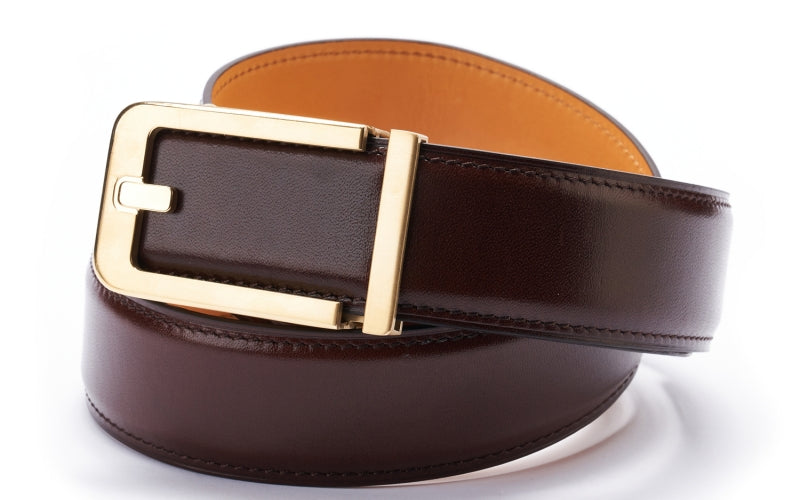
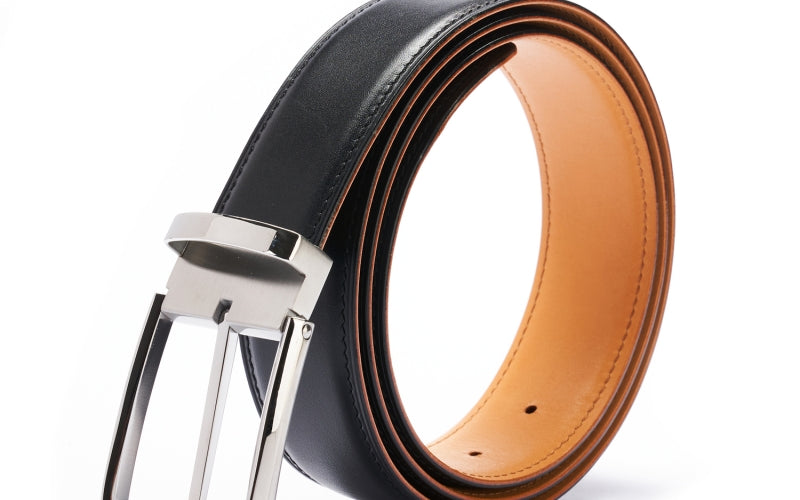
Both textures in genuine calfskin: BELTLEY's men's collection, $100–$148.
The Quick Answer
Smooth calfskin is for people whose week is mostly tailored and predictable. Pebbled calfskin is for people whose week is mostly business-casual and slightly chaotic. Both are premium leather. The decision isn't about quality — it's about how forgiving you need your belt to be.

If you wear a suit five days a week and sit at a clean desk, smooth calfskin will reward you with refinement. If you carry a backpack on a commute, chase a toddler on weekends, or just don't have the energy to baby a piece of leather, pebbled calfskin will quietly make your life better.
What Is Smooth Calfskin?
Smooth calfskin is calfskin with its natural surface preserved and polished — no embossing, no added texture. The result is a refined, almost mirror-like leather that reflects light evenly and looks crisp under tailoring. It includes finishes like box calf (the glazed version) and aniline-dyed smooth calf.
The look is unmistakable: clean, polished, and serious. Smooth calfskin is the leather of dress shoes, tuxedo belts, and the kind of belts that match a suit perfectly. For the full technical breakdown of calfskin itself, see our complete guide to calfskin leather.
The catch — and there's always a catch — is that the smooth surface hides nothing. Every scratch, every scuff, every bag-strap rub shows up clearly. Most marks buff out, but they're visible until you address them.
What Is Pebbled (Grain) Calfskin?
Pebbled calfskin is calfskin embossed with a textured pattern, usually a fine "pebble" or "grain" effect. The base hide is still premium full-grain calfskin — the surface is just pressed with a heated roller to add texture. It's the calfskin version of "practical luxury."

The pattern can range from subtle (barely visible pebbling) to dramatic (deep Scotch grain). The common thread: the texture catches light in a way that disguises minor wear, scratches, and scuffs. British shoemaker Joseph Cheaney explains the smooth-vs-grain split cleanly — grain leathers were originally invented for people who actually use their leather goods rather than just owning them.
For a deeper technical comparison of how smooth and grain finishes differ within calfskin, see our box calf vs grain calf guide. This post is about choosing for your life specifically.
Which Fits Your Daily Life Better?
This is the question that actually matters. Run through these scenarios honestly:
You spend most days at a clean desk in tailored clothing. → Smooth calfskin. Your belt won't see chaos, and the polished look pays off in formal settings.
You commute on public transit with a backpack or messenger bag. → Pebbled calfskin. Bag straps rub against belts in ways that destroy smooth finishes within a year. Pebbled grain shrugs it off.
You have a toddler or young kids. → Pebbled calfskin. Sticky fingers, surprise grabs, and being used as a climbing wall are not friends to smooth leather.
You travel for work multiple times a month. → Pebbled calfskin. Airport security trays, hotel-room belt folding, and rushed packing all accelerate visible wear on smooth surfaces.
You attend formal events monthly or more. → Smooth calfskin. You actually need the polished aesthetic regularly.
Your week is genuinely 50/50 dressy and casual. → Own one of each. Different tools.
You hate maintenance. → Pebbled calfskin. It needs less anxious buffing and looks great longer between conditionings.
Which Is More Forgiving?
Pebbled calfskin is dramatically more forgiving. The textured surface absorbs minor scratches into the pattern — the same marks that would scream on smooth calfskin disappear into the natural-looking grain. This isn't a small difference. It's the entire reason pebbled finishes exist.
A few real-world examples of what pebbled handles better:
- Bag strap rub at the seatbelt-line area of your waist.
- Fingernail catches when you're putting the belt on quickly.
- Desk-edge scrapes when sitting and standing all day.
- Buckle nicks from clumsy buckle handling.
- Dust and skin oils that build up in the surface texture invisibly.
Smooth calfskin handles all of these too, eventually — light scratches buff out, and a quick condition session restores most of the finish. But pebbled calfskin doesn't ask you to do that work in the first place.
Which Looks More Expensive?
Smooth calfskin reads as "more expensive" in formal settings; pebbled reads as "more expensive" in business-casual settings. Both are equally premium leather, but they communicate luxury in different visual languages.

Smooth calfskin is the luxury of refinement — quiet, polished, no-distractions. It looks like money in a tuxedo and like a serious belt in a sharp suit. Pebbled calfskin is the luxury of craftsmanship — visible texture, tactile interest, hand-finished feel. It looks great with a blazer and chinos, in a smart office, or with the kind of outfit where the belt should be interesting but not loud.
If you're trying to choose between "looks more expensive in photos" — smooth wins on flat product shots. But in real life, on a real body, the visual gap is much smaller than the catalog suggests.
Which Pairs With Which Shoes?
A simple rule: match your belt finish to your shoe finish.
- Smooth calfskin Oxfords / dress shoes → smooth calfskin belt. Box calf belt with box calf shoes is the classic pairing.
- Pebbled grain dress shoes (country brogues, smart commuter shoes) → pebbled calfskin belt.
- Loafers (smooth) → smooth calfskin belt.
- Loafers (pebbled) → pebbled calfskin belt.
- Patent leather shoes (black tie) → smooth calfskin belt (or skip the belt entirely — see our black-tie belt guide).
- Sneakers or casual leather shoes → either works; pebbled is generally more cohesive.
You don't have to match perfectly — a smooth belt with pebbled shoes is fine in practice. But if you're shopping for a single belt that pairs with most of your shoe rotation, look at what your shoes actually have on them and match accordingly.
For more on the formal/casual axis generally, see our dress belt vs casual belt guide.
Smooth vs Pebbled Calfskin: Side-by-Side
| Feature | Smooth Calfskin | Pebbled Calfskin |
|---|---|---|
| Surface | Polished, mirror-like | Textured, fine pebble pattern |
| Best for | Tailored / dressy week | Business casual / variable week |
| Scratch visibility | High | Low |
| Daily wear forgiveness | Moderate | Excellent |
| Maintenance | Wipe + buff + condition seasonally | Wipe + condition seasonally |
| Pairs with | Smooth dress shoes | Pebbled or grain shoes |
| Formality ceiling | Black tie (with right buckle) | Business casual peak |
| Wardrobe role | Sharp dress belt | Daily-driver luxury belt |
| Travel friendliness | Moderate | High |
| Right for kids / commute / chaos | No | Yes |
The 30-Second Decision
Look at how your last two weeks actually went. If you dressed up most days, buy smooth calfskin. If you wore blazers, chinos, or business-casual most days, buy pebbled calfskin. If your last two weeks were chaos, buy pebbled and thank yourself later. Don't shop for the wardrobe you wish you had — shop for the wardrobe you actually wear.

If you're truly torn and can only own one calfskin belt for the next 10 years, default to pebbled. It covers more ground, forgives more daily mistakes, and quietly looks great in 80% of situations where you'd reach for a belt. Smooth is the better answer only if your life is genuinely 50%+ tailored. Browse our dress belts collection for both finishes, and our Classic Calfskin Dress Belt is a clean smooth option if you've landed on that side.
The Bottom Line
Smooth and pebbled calfskin aren't a quality contest — they're a lifestyle question disguised as a finish choice. The same calf hide can become either belt; the tannery just decides whether to leave the surface natural or press a pebble pattern into it. What changes is how the belt handles your actual week. Smooth rewards a tailored, controlled life. Pebbled rewards a busy, varied, slightly imperfect life. At BELTLEY we make both because honest leather goods should match the life you have, not the life Instagram thinks you have. Pick the finish that survives your real week, condition it on the right schedule (our calfskin care 101 guide has the routine), and either belt will outlast every fast-fashion piece you'd otherwise buy along the way.
Frequently Asked Questions
Q: Is pebbled calfskin lower quality than smooth calfskin?
No. Both start as full-grain calfskin from the same kinds of hides. The only difference is whether the surface is left natural or pressed with a pebble pattern. Quality depends on the base hide and the tannery, not on the finish.
Q: Can I wear a pebbled calfskin belt with a suit?
Yes — in business-casual or business-formal settings. For strict formalwear (tuxedo, black-tie events), smooth calfskin is more traditionally correct. Pebbled works perfectly with sport coats, blazers, and most office suits.
Q: Does pebbled calfskin develop a patina?
Slightly less dramatically than smooth calfskin, because the textured surface scatters light and accumulated oils more evenly. You'll still get a deepening color and a soft sheen over years, just without the obvious "patina story" smooth leather develops.
Q: How can I tell if pebbled calfskin is real or fake?
Real pebbled calfskin has subtle natural variation within the pebble pattern, real leather smell, and visible pores between the embossed peaks. Fake or bonded "pebbled leather" has too-perfect uniformity and often a chemical or plastic smell.
Q: How do I care for a pebbled calfskin belt?
Same routine as smooth calfskin — wipe after each wear, condition every 3–6 months, store hung or rolled. The texture catches more dust, so a slightly more thorough wipe-down with a soft cloth helps. Our leather care guide covers the full routine.
%20calfskin%C2%A0=%20textured,%20forgiving,%20business-casual%20hero.%20Built%20f...)