
Box Calf vs Grain Calf: Understanding the Two Faces of Calfskin
TL;DR:
- Box calf is smooth, glossy, aniline-dyed calfskin with a glazed finish — the classic dress-shoe and dress-belt leather.
- Grain calf (also called pebbled or grained calf) is calfskin embossed with a textured pattern — same hide, different face.
- Box calf looks more formal and reflects light beautifully. Grain calf is more forgiving of scratches and casual scuffs.
- Both start as the same young calf hide. The difference is what the tannery does in the finishing stage.
- Pick box calf for tuxedos and tailored suits. Pick grain calf for business casual, blazers, and busy commutes.
If you've ever picked up two calfskin belts and thought "wait, why does this one look like glass and this one look like a basketball?", congratulations — you've discovered the box-calf-vs-grain-calf question. They're cousins, not strangers. Both are calfskin. Both come from young cattle. They just get finished differently, and that finishing step changes everything about how they look, wear, and dress. Let's untangle it.
Box or Grain: Choose by Your Week
Same calf, two faces — your calendar picks:
| Your situation | Go with |
|---|---|
| Suits most days | Box calf — the glazed smooth face is the dress-belt classic. |
| Busy, careless, real life | Grain calf — the texture absorbs scuffs box calf would advertise. |
| One calfskin belt only | Box calf in black if formal-leaning, grain in brown if casual-leaning — split by your 80% outfit. |
| Patina romantic | Box calf ages with more drama; grain stays steady. Pick your aging curve. |
Calfskin dress belts, $100–$148: BELTLEY's men's collection.
What's the Quick Difference Between Box Calf and Grain Calf?
Box calf is smooth and polished; grain calf is textured and embossed. Same hide, different surface treatment. Both are full-grain calfskin underneath. The tannery decides at the finishing stage whether to glaze the surface flat (box calf) or press it with a patterned roller (grain calf).

That single decision flips the entire personality of the leather. Box calf reads as formal, refined, almost mirror-like. Grain calf reads as relaxed, durable, characterful. Neither is "better" — they're built for different jobs and different outfits.
What Is Box Calf Leather?
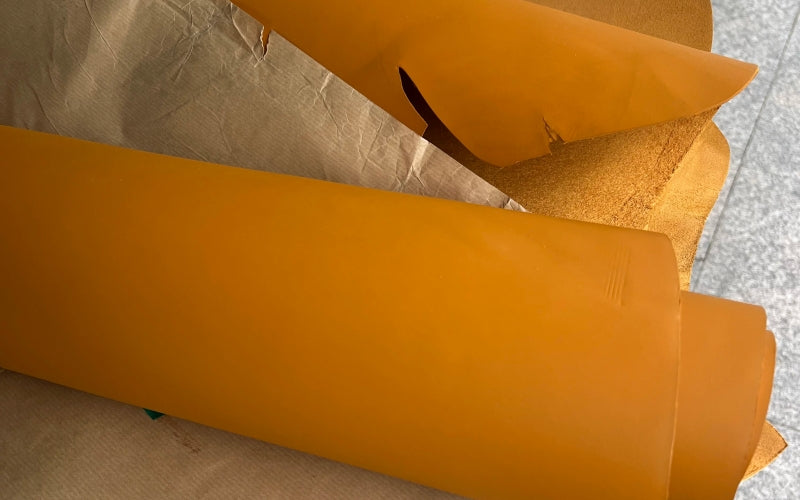
Box calf is aniline-dyed, chrome-tanned full-grain calfskin with a glazed, smooth finish. It's the leather of classic dress shoes and dress belts. The name comes from 19th-century British shoemaking, where the finish was perfected for high-end footwear. Today it's the default leather for any belt that needs to look polished under a suit.
The defining characteristic is that surface — fine-grained, smooth, and capable of taking a serious shine. Aniline dyeing means the color soaks all the way through the leather rather than sitting on top, so the finish ages gracefully without flaking. Most luxury houses (think Hermès, Lobb, Berluti) build their dress shoes and belts on some form of box calf. For more on calfskin in general, see our complete guide to calfskin leather.
According to Encyclopaedia Britannica's overview of leather production, the glazing process — running polished cylinders or glass rollers over the surface under pressure — is what gives box calf its trademark sheen.
What Is Grain Calf Leather?
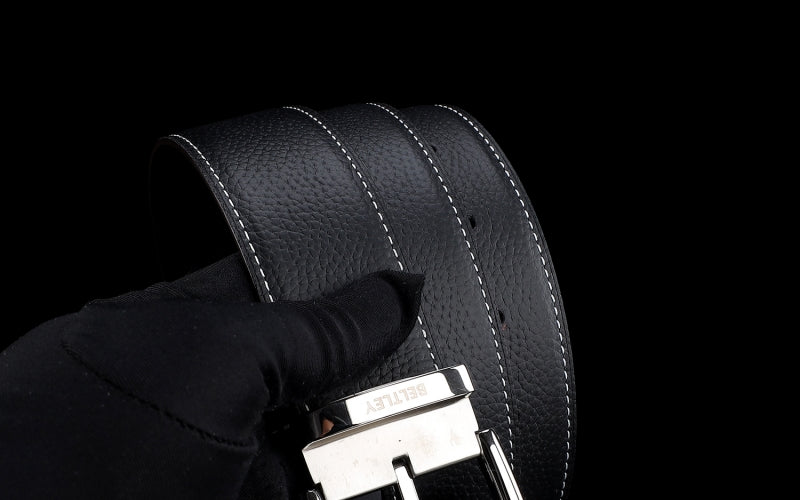
Grain calf is calfskin that's been embossed with a textured pattern, usually a pebbled or fine-grain effect. The texture can be natural (rare) or pressed in with heated rollers (most common). It's still full-grain calfskin underneath — just with a finished surface designed to look textured.
Why do this? Because not every situation calls for a mirror shine. A pebbled grain reads slightly less formal, hides daily wear, and gives a belt visual interest without going full casual. British shoemaker Joseph Cheaney explains the smooth-vs-grain distinction plainly: grain leathers are practical leathers, built for people who use their shoes (and belts) instead of just owning them.
The most famous grain calf is probably Scotch grain — a deep, distinctive pebble pattern originally associated with country shoes. But you'll see lighter pebble patterns on plenty of business-casual belts too.
Why Do Tanneries Emboss the Grain in the First Place?
Two reasons: appearance and durability. Embossing creates a consistent, attractive texture and gives the surface "depth" that hides scratches and creases. It also lets tanneries get more usable leather out of each hide, since minor surface imperfections disappear into the pattern.

There's nothing fake about embossed grain calf — it's still real calfskin, still full-grain, just textured intentionally. The alternative would be "rejecting" a hide because of a small natural flaw. Embossing rescues that hide and gives it a different (often more practical) purpose. Tanneries certified by the Leather Working Group typically run both smooth and grained product lines from the same raw hide supply.
Which Looks More Formal — Box Calf or Grain Calf?
Box calf wins on pure formality. The smooth, glossy finish is the leather equivalent of a polished dress shoe. Grain calf sits one notch down — refined, but with a relaxed edge that pairs better with sport coats than tuxedos.
A simple rule of thumb:
- Black tie, formal business, weddings → box calf.
- Business casual, blazer-and-jeans, smart office → grain calf.
- Truly casual (denim, boots) → neither. Reach for full-grain cowhide instead. Browse our full-grain leather belts collection.
For more on the formal/casual line in belts generally, our guide on dress belt vs. casual belt breaks it down.
Which Hides Scratches Better?
Grain calf hides scratches dramatically better than box calf. The textured surface camouflages light scuffs that would scream on a smooth glazed finish. This is the practical superpower of grained leather — it's the calfskin you can actually live with day-to-day without babying it.

Box calf shows everything. A fingernail catch, a desk-edge bump, a careless seatbelt swipe — they all leave visible marks on a smooth glazed surface. Most light scratches buff out with a soft cloth or a touch of conditioner, but until you address them, you'll see them. Grain calf basically eats the same scratches and asks for more. According to a master tanner interview on Stridewise's calf leather breakdown, this scratch-hiding effect is one of the main reasons grained finishes exist in the first place — practical leathers were invented for people who use their stuff.
How Does Each Age Over Time?
This is where the personalities really diverge.
Box calf ages with a subtle, refined patina. The surface develops a soft, slightly warmer sheen as natural oils accumulate. With consistent conditioning, the leather actually looks better at five years than at one — provided you've kept it out of major trauma.
Grain calf ages by softening. The embossed pattern stays put (a good tannery presses it deep enough to last decades), but the leather itself becomes more pliable, the color deepens, and minor scuffs blend into the texture seamlessly. It looks "lived in" rather than aged.
The shared truth: neither leather ages well if you neglect it. The five-minute-per-season routine in our leather care guide applies equally to both.
Box Calf vs Grain Calf: Side-by-Side
| Feature | Box Calf | Grain Calf |
|---|---|---|
| Surface | Smooth, glazed, glossy | Pebbled, textured, embossed |
| Underlying hide | Full-grain calfskin | Full-grain calfskin |
| Tanning method | Usually chrome | Chrome or vegetable |
| Formality | Highest (tux-ready) | High (business casual) |
| Scratch visibility | High — shows everything | Low — texture hides marks |
| Light reflection | Mirror-like sheen | Subtle, scattered |
| Aging style | Refined patina, deeper shine | Softens, color deepens |
| Best paired with | Suits, dress shoes, tuxedos | Blazers, business casual, smart commute |
| Care effort | Moderate (visible scratches need attention) | Low (very forgiving) |
| Price | Comparable | Comparable |
Which Should You Choose?
It depends on how often you wear a suit versus how often you wear a blazer. Some honest decision logic:

- Suit five days a week? Buy box calf first. The polished surface earns its place in formal rotation. Our Classic Calfskin Dress Belt at 1.38" is a clean box-calf-style choice for tailored wear.
- Business casual five days a week? Buy grain calf first. You'll spend less time worrying about scuffs and more time wearing the belt without thinking about it.
- Mix of both? Own one of each. They're different tools for different days, not interchangeable.
- Mostly casual? Skip calfskin altogether. A solid full-grain cowhide belt will serve you better — see our full-grain leather belts collection.
For a broader view of all the calfskin finishes (suede calf, nubuck calf, patent calf, vachetta), our complete guide to calfskin covers the full lineup, and our 10 iconic leather types for belts zooms further out.
The Bottom Line
Box calf and grain calf are two sides of the same coin — the same young calf hide, finished two different ways for two different jobs. Box calf is the dress-uniform leather: smooth, glossy, formal, and beautiful when you keep it polished. Grain calf is the daily-driver luxury leather: textured, forgiving, refined enough for any business setting, and far less precious about scratches.
At BELTLEY we work with both because the same customer often wears both lives in the same week — a tailored suit on Tuesday, a blazer-and-chinos on Friday. Pick the finish that matches the days you actually live, condition it like you mean it, and either one will quietly outlast a closet full of fast-fashion belts.
Frequently Asked Questions
Q: Is box calf better than grain calf?
Neither is universally "better." Box calf is more formal and reflects light beautifully but shows scratches. Grain calf is more durable in daily wear and hides scuffs. Pick based on your wardrobe, not a ranking.
Q: Is box calf full-grain leather?
Yes. Box calf starts as full-grain calfskin and stays that way — the glazing is a surface finishing process, not a layer removal. The top grain is intact. Our full-grain vs top-grain leather guide explains the grain hierarchy in detail.
Q: Is grain calf real leather or embossed fake leather?
Real leather. The hide is genuine full-grain calfskin; only the surface texture is pressed in with rollers. This is completely different from PU or bonded leathers, which are fake materials made to imitate leather entirely.
Q: Does box calf scratch easily?
It scratches more visibly than grain calf because the smooth surface shows everything. Most light scratches buff out with a soft cloth and a dab of conditioner. Deeper marks darken into the patina over time.
Q: How do I care for a box calf belt versus a grain calf belt?
Both need conditioning every 3–6 months, both should be kept out of prolonged moisture and direct sun, and both should be stored hung or rolled rather than folded. Box calf benefits from an occasional buff with a soft cloth to maintain the shine. Full routine in our leather care guide.
%20is%20calfskin%20emboss...)