Are There Grades of Full-Grain Leather (A / B / C)? The Tannery System
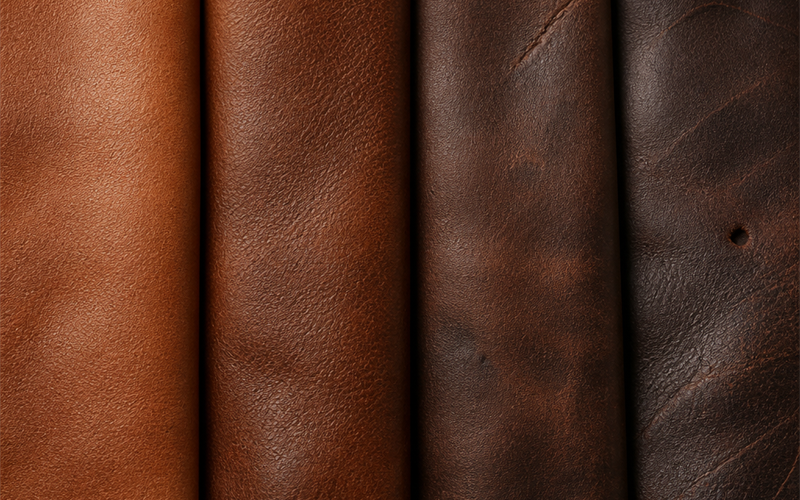
Quick answer: Yes — full-grain leather is graded by tanneries into A, B, C (and sometimes D) tiers, based on hide quality and surface imperfections. Grade A hides have minimal natural marks (scars, bug bites, brand marks, neck wrinkles) and are reserved for premium leather goods. Grade B has more visible marks but is still full-grain. Grade C has heavy marks and is often used for products where the back side faces the user. Grading is real and meaningful — and most buyers never see it disclosed.
Last updated: May 2026 • By BELTLEY Editorial
TL;DR:
- A-grade = best yield from each hide, minimal natural marks, premium leather goods.
- B-grade = visible scars or wrinkles but still full-grain; mid-tier products.
- C/D-grade = heavy natural marks; rugged or hidden-surface applications.
- All grades are full-grain — the difference is hide selection, not tanning quality.
A common confusion: people often assume "full-grain" is a single uniform thing. It isn't. Within full-grain, tanneries grade hides by their natural surface condition — scars, brand marks, bug bites, vein patterns, and other character imperfections — and price them accordingly. A premium leather goods maker buying Grade A hides is paying significantly more than a workwear brand buying Grade C hides, even though both materials are technically "full-grain." Below is how the grading system works, what each grade looks like, and why this matters when you read a product page. For the basic hierarchy (full-grain vs top-grain vs bonded), see full-grain vs bonded leather belt.
What is the leather grading system?
Tanneries grade finished full-grain hides on a letter scale — A, B, C, and sometimes D — based on the percentage of usable, mark-free surface area. The exact scale varies by tannery and region, but the principle is consistent: Grade A is the cleanest, most uniform hide; lower grades have progressively more natural marks. The grading happens after tanning, when the hide is inspected on a flat surface under good lighting.

The grading isn't quality of tanning. Grade C full-grain isn't worse leather than Grade A in terms of structural strength, fiber density, or longevity. The fiber structure is the same — it's the same hide from the same cow tanned the same way. The difference is in cosmetic surface condition. A scar from a fence cut, a brand mark from cattle identification, or a bug bite all appear on the finished leather as a permanent visual feature.
What determines a hide's grade?
Several natural factors. (1) Scars — fence cuts, fights, parasites, branding. (2) Wrinkles — particularly at the neck, shoulders, and belly. (3) Insect marks — bug bites and tick scars. (4) Stretch marks — visible particularly on bellies. (5) Color uniformity — hides with uniform color grade higher. (6) Size and thickness uniformity — hides with consistent thickness across the surface grade higher.
These are all natural — they're the story of the animal's life. A pasture-raised cow exposed to brambles, fences, and weather will have more marks than a stable-raised cow. Both produce real full-grain leather, but the resulting hides grade differently. Some tanneries pride themselves on celebrating these marks (calling them "character" or "natural inclusions"); others sort them out for the premium tier.
Key stat: A single Grade A side of leather can yield enough mark-free area for dozens of belt straps or several handbags. Lower grades may yield less than half that — many hides become unusable in the prime cutting area due to scars or wrinkles. This is why Grade A leather costs 2–4x Grade C from the same tannery.
How does grading affect price?
Significantly. Grade A full-grain hides from premium tanneries (Hermann Oak, Wickett & Craig, Horween, Italian Tuscan veg-tan) can cost 2–4x what Grade C hides from the same tannery cost. That difference flows through to the finished product: a Grade A leather belt from a heritage tannery often costs $150–$300; a Grade C leather belt from the same tannery might cost $40–$80. Same tannage, same hide layer — different cosmetic selection.

Brand markup compounds this. Luxury fashion houses using Grade A hides charge $400+, sometimes much more, with most of the premium being brand tax. DTC heritage brands using Grade A hides at fair pricing usually sit at $150–$250 — the actual material cost plus a reasonable margin. We make the broader case in why are designer belts so expensive.
What's the right grade for a belt?
It depends on aesthetic preference. For a refined dress belt — where you want uniform color and no visible marks — Grade A is the right choice. For a rugged casual or work belt where natural variation and character are desirable, Grade B or even C can be more authentic and arguably more interesting. For a deeply heritage workwear piece, some makers specifically buy lower-grade hides to celebrate the marks.
Neither is "better." The choice is about what kind of belt you want to wear. A clean A-grade dress belt is the right call for formal use; a character-rich B-grade belt is the right call for a rugged everyday piece. Our dress belts collection leans toward cleaner hide selection; our handmade and unique belts collections include pieces that celebrate hide character.
Full-grain leather grades at a glance
| Grade | Hide condition | Typical use | Belt price range |
|---|---|---|---|
| A | Minimal marks, uniform color | Premium dress belts, luxury goods | $150–$300+ |
| B | Visible scars / wrinkles | Mid-tier, character casual belts | $80–$180 |
| C | Heavy marks, more variation | Rugged / workwear / hidden-surface | $40–$120 |
| D | Significant marks, often suede-side use | Lining, industrial, low-cost goods | <$60 |
Do brands actually disclose the grade?
Almost none. Even reputable heritage brands rarely state the grade on the product page — partly because the grading scales vary between tanneries (Hermann Oak's "A" might be Wickett & Craig's "AB"), partly because it adds confusion to buyer choice, and partly because brands using lower grades have no incentive to advertise the fact. The result is that buyers see "full-grain leather" and have to infer the grade from price, photos, and product feel.

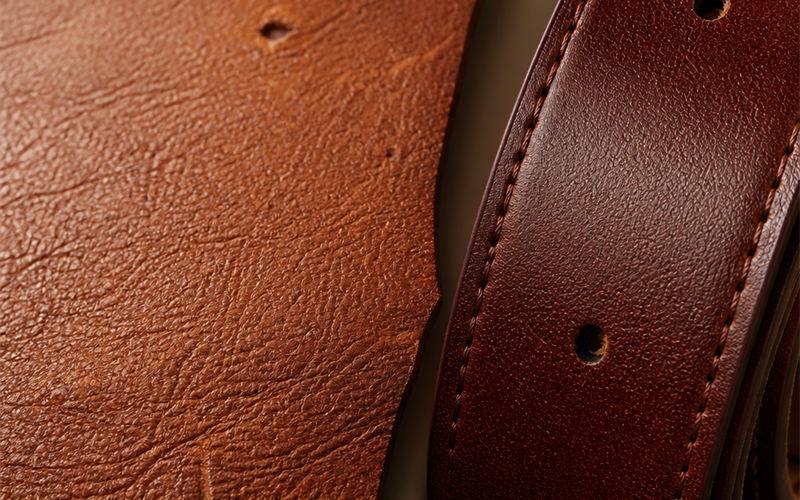
The honest signal is the photos. Reputable brands photograph their belts at high resolution showing the actual leather surface. If the photos show clean uniform leather, the brand is using mid-to-high grade hides. If the photos show visible character marks (and the brand frames this as "natural variation"), the brand is using B or C grade hides — and often celebrating the choice. Both are valid; the price should reflect which one.
BELTLEY 3-Material Rule
The 3-Material Rule = full-grain leather + stainless or solid brass buckle + sealed (painted or burnished) edges. The rule covers leather grade, but not full-grain quality grade. A Grade C full-grain belt still passes the rule — it's still full-grain. The grade question is one layer deeper than the rule: once you've confirmed full-grain, the grade tells you what cosmetic tier you're paying for. The rule is the floor; the grade is the ceiling.
How can I tell the grade by looking?
Three visual cues. (1) Surface uniformity — A-grade looks consistent across the strap; B/C-grade shows visible variation. (2) Visible marks — clean leather with no scars or stretch marks is A; visible scratches, scars, or wrinkles indicate B or C. (3) Color uniformity — A-grade has even color across the surface; lower grades may show subtle color shifts or marks where pigment hits scarred areas differently.

Honest brands often photograph the variation. Heritage tanneries themselves sometimes sell "character" hides at premium prices because the marks are part of the appeal. The thing to look out for isn't natural marks per se — it's uniformly stamped leather that looks too clean. That's the corrected-grain signal, not high-grade full-grain. We dig into the corrected-grain question in does full-grain leather smell different from corrected-grain.
Does grade affect durability?
Negligibly. Grade A and Grade C full-grain hides from the same tannery are structurally similar in strength, flexibility, and lifespan — the difference is cosmetic. A "character-rich" Grade C belt with visible scars will last just as long as a clean Grade A belt of the same construction. The marks are surface features, not structural weaknesses.
The exception is at the very lowest grades. D-grade and below can include hides with thin spots, partial damage, or genuine structural inconsistencies — these are often diverted to non-belt uses (lining, industrial leather) for good reason. Within the A/B/C range, durability is essentially identical. Our full-grain leather belts and leather care page cover the durability fundamentals.
What about the back of the belt?
Lower grades often show their character on the flesh side. The back (flesh side) of a belt isn't as visible as the grain side, so tanneries sometimes use B or C grade hides where only the grain side is rated A. A high-end belt with a beautifully clean grain side but a slightly rougher flesh side is using mid-grade hides selectively — which is a common and legitimate approach. The flesh side is usually conditioned and sealed, but it doesn't always match the grain side's premium look.

Premium belts often use uniform A-grade on both sides, especially when the belt is reversible or features a contrast back. Our reversible belts need clean material on both sides because both sides are visible — that demands higher overall grade selection.
The Bottom Line
Full-grain leather isn't one thing — it's a category that contains multiple grades based on hide cosmetic condition. Grade A hides are clean and uniform, used in premium dress and luxury goods. Grade B and C have visible character marks that are sometimes celebrated, sometimes hidden. All grades are real full-grain; the differences are cosmetic, not structural. For a dress belt, look for A-grade selection. For a character-rich casual belt, B or C is a great honest choice. The grade is rarely disclosed, so the verification is to look at the photos and feel the leather yourself. At BELTLEY, we match the hide grade to the belt's intended use — clean A-grade selection for dress styles, character-friendly B-grade for some heritage pieces — paired with solid hardware, hand-finished edges, and a 10-year warranty. Ready to start with a belt at the right grade for your wardrobe? Browse our full-grain leather belts or men's collection.
Frequently Asked Questions
Q: Are there really grades of full-grain leather?
Yes. Tanneries grade finished full-grain hides on a letter scale (A, B, C, sometimes D) based on natural surface marks — scars, wrinkles, bug bites, brand marks. The grading doesn't affect the leather's structural quality, just its cosmetic uniformity.
Q: Is Grade A leather better quality than Grade C?
Cosmetically yes, structurally no. Grade A hides have fewer visible natural marks and are reserved for premium goods. Grade C has more character marks but the same fiber structure and lifespan. The difference is in surface appearance and price, not in durability.
Q: Why don't brands disclose the leather grade?
Few do, partly because grading scales vary between tanneries, partly because lower-grade users have no incentive to disclose, and partly because the concept adds buyer complexity. The honest signal is high-resolution product photos showing the actual leather surface.
Q: What grade should I buy for a dress belt?
A-grade. Dress belts benefit from clean, uniform leather with no visible scars or marks — the look should be quiet and refined. A-grade hide selection is the right cosmetic tier for formal use.
Q: What grade is right for a rugged casual belt?
B or C grade can be a great choice. Character-rich leather with visible natural marks reads heritage and authentic, especially on casual or work-leaning belts. Some makers specifically choose lower grades to celebrate the hide's natural story.
%20tiers,%20based%20on%20hide%20quality%20and%20surface%20imperfections.%20Grade%20A%20hides%20have%20minimal%20natural%20marks%20(scars...)