How to Clean a Tarnished Brass Belt Buckle (Keep the Patina)
Quick answer: To clean a tarnished brass belt buckle without ruining the patina, wipe it with a microfiber cloth first, then spot-treat only the dull or green spots with a paste of equal parts white vinegar, salt, and flour. Rub gently for 30 seconds, rinse, and dry immediately. Skip full-strength polish if you want to keep the warm aged tone.
Last updated: June 2026 • By BELTLEY Editorial
TL;DR:
- Tarnish (dull brown-gray film) is harmless; verdigris (crusty green) is the only kind you must remove.
- A vinegar-salt-flour paste, ketchup, or a cut lemon all clean brass safely at home.
- Stop and dry the moment the metal brightens — over-polishing strips the patina you paid for.
- Solid brass can always be cleaned back; thin brass plating can be rubbed straight through, so identify yours first.
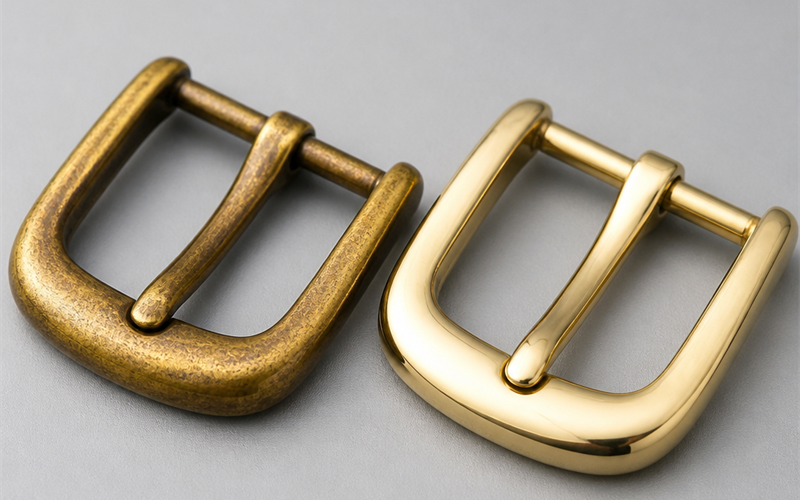
A brass belt buckle is one of the few pieces of everyday hardware that gets better with age. The warm, honeyed darkening you see on a vintage buckle is patina — a thin protective film that forms as copper and zinc react with air, oils, and moisture. Brass is roughly two-thirds copper and one-third zinc, and that copper is exactly what gives it both its glow and its tendency to dull. The trick to cleaning a tarnished brass belt buckle is knowing the difference between patina worth keeping and corrosion worth removing. Get that wrong and you can scrub a $40 character finish down to a flat, lifeless yellow in under a minute. This guide keeps the good and removes only the bad — and ties into the broader leather care habits that protect the whole belt.
Is tarnish on a brass buckle bad, or is it patina?
Mostly it's patina, and that's good. Tarnish is a thin surface layer of oxidation that gives brass a soft, darker tone — it actually slows further corrosion and is prized on quality hardware. The only version to worry about is verdigris: a powdery blue-green crust that signals active corrosion and should be removed.

The naming matters because it changes what you do next. According to the reference on patina, the layer "can provide a protective covering to materials that would otherwise be damaged by corrosion." So a buckle that has gone from bright gold to a deep amber-brown over two years isn't damaged — it's seasoned. That's the look collectors chase, and it's why so many of BELTLEY's solid brass buckle belts are built to age rather than stay mirror-bright. Verdigris is the exception, and we cover it below.
How do you clean a tarnished brass buckle without removing the patina?
Spot-clean, don't polish. Mix equal parts white vinegar, table salt, and flour into a paste. Dab it only on the dull or discolored areas, leave it 30–60 seconds, then rub lightly with a soft cloth, rinse with warm water, and dry fully. The mild acid lifts grime and light oxidation while leaving the deeper aged tone intact.

The chemistry is simple and safe. Vinegar is dilute acetic acid, which reacts with the dull surface oxides and carbonates without aggressively attacking the underlying metal; the salt adds gentle mechanical bite, and the flour holds it all in a paste so it stays where you put it. Work in good light so you can stop the instant the spot evens out. The goal is "clean and even," not "showroom bright." If you want a deeper dive into hardware quality and why buckle metal matters, our guide to types of belt buckles breaks down brass, steel, and plated options.
What household items clean a brass belt buckle safely?
Three pantry items work well: ketchup, a cut lemon dipped in salt, and the vinegar-salt-flour paste. The mild acids in tomato and citrus dissolve light tarnish in under a minute. Apply, wait briefly, rub gently, rinse, and dry. All three are gentle enough to brighten without blasting away the aged finish.
Here's how the common methods compare for a brass buckle you want to preserve rather than strip:
| Method | How it works | Patina-safe? | Best for |
|---|---|---|---|
| Microfiber dry wipe | Removes oils & dust | Very safe | Routine upkeep |
| Cut lemon + salt | Mild citric acid | Safe if quick | Light, even tarnish |
| Ketchup | Mild acetic/tomato acid | Safe | Spot dullness |
| Vinegar-salt-flour paste | Acetic acid + abrasion | Safe if spot-only | Stubborn spots |
| Baking soda paste | Mild abrasive | Use lightly | Light verdigris |
| Commercial brass polish (Brasso) | Strong abrasive + chemical | Strips patina | Full re-shine only |
Commercial polishes like Brasso are made to return brass to full brightness — exactly what you don't want if the patina is the point. Save those for when you've decided to reset the buckle to new. Home-care guides such as Bob Vila's walkthrough on cleaning brass reach the same verdict: try gentle pantry acids before any commercial polish, and clean lacquered brass with nothing harsher than warm, soapy water.
How do you remove green verdigris from a brass buckle?
Make a thicker baking soda and water paste, work it into the green crust with an old toothbrush, then rinse and dry thoroughly. Verdigris is active copper corrosion, so unlike honest tarnish, it should always come off. Dry the buckle completely afterward — leftover moisture restarts the process. (Orange-brown flecks rather than green usually mean rust on a plated steel base instead of brass corrosion — our guide to removing rust from a belt buckle covers that case.)

Key stat: Brass is about 67% copper, and it's that copper that forms verdigris when exposed to moisture, salt, and acids over time — which is why a buckle stored in a humid bathroom corrodes faster than one in a dry drawer.
The green tint comes from copper salts, as the entry on verdigris explains — and the source on brass notes it "corrodes in the presence of moisture, chlorides, acetates, ammonia, and certain acids." Translation: keep sweat, pool chemicals, and damp air away from your buckle and verdigris rarely shows up at all.
Is your buckle solid brass or just brass-plated?
This decides everything. Solid brass is brass all the way through, so you can clean, scratch, and re-polish it for decades. Brass plating is a microscopically thin brass layer over cheaper metal — scrub it hard and you'll cut through to dull gray base metal that can't be restored. Test with a magnet: solid brass is not magnetic; if a magnet sticks, it's plated steel.

This is the single most important check before you reach for any abrasive. A genuine solid-brass buckle — the kind BELTLEY uses on its full-grain brass buckle belts — rewards careful cleaning for a lifetime. Cheap plated hardware does not, which is part of why old solid buckles hold resale value while plated ones don't, as we explain in are old belt buckles worth anything. And if the plating on a buckle has already worn through to gray, no amount of cleaning will bring it back — see when re-plating a worn buckle is (and isn't) worth it.
How does this fit BELTLEY's 3-Material Rule?
A buckle worth cleaning is one worth keeping, and that's the logic behind the BELTLEY 3-Material Rule: full-grain leather + stainless or solid brass buckle + sealed (painted or burnished) edges. Solid brass earns its place on that list precisely because tarnish and patina are reversible and protective — not failure. Plated zinc-alloy buckles fail the rule because once the coating wears, there's nothing underneath worth saving.

That's why every brass buckle in the BELTLEY brass collection is solid stock, backed by a 10-year warranty. Clean it, age it, or reset it to bright — the metal takes all three.
The Bottom Line
Cleaning a tarnished brass belt buckle is really about restraint. Wipe it down regularly, spot-treat dull areas with mild kitchen acids, and remove green verdigris fully — but stop the moment the metal evens out, because the warm patina is a feature, not a flaw. The one rule that overrides the rest: confirm you have solid brass before any abrasive touches it, since plated buckles can't survive aggressive cleaning. At BELTLEY, we build with solid brass and full-grain leather specifically so the hardware can be cared for, aged, and passed down. Ready for a buckle that earns its character? Explore the solid brass buckle belts and keep them looking right with our leather care guide.
Frequently Asked Questions
Q: Will vinegar damage a brass belt buckle?
No, not in normal use. Diluted white vinegar (acetic acid) cleans light tarnish gently. The risk is leaving it on too long or using it on plated buckles — always rinse within a minute and dry completely to avoid spotting.
Q: Should I lacquer my brass buckle after cleaning?
Only if you want to lock in the current look. Clear lacquer stops further tarnishing but also freezes the patina where it is and can chip unevenly with daily belt wear. Most people prefer to let a solid brass buckle age naturally.
Q: How often should I clean a brass belt buckle?
A dry microfiber wipe after heavy wear or sweating is plenty. Only do a full acid clean a few times a year, or when verdigris appears. Over-cleaning is the most common way people accidentally strip a good patina.
Q: Can I use toothpaste to clean a brass buckle?
Yes, lightly. Non-gel white toothpaste is a mild abrasive similar to baking soda. Use a pea-sized amount on a soft cloth, rub gently, then rinse and dry. Avoid whitening toothpastes with heavy grit, which can leave fine scratches.
Q: My buckle turned my skin or shirt green — why?
That's copper reacting with sweat and moisture, the same reaction behind verdigris. It's harmless but a sign the buckle needs a wipe-down and your skin a rinse. A thin clear lacquer or keeping the buckle dry prevents it.