What Is Shell Cordovan Leather — and Why Does It Cost So Much?
TL;DR:
- Shell cordovan is a rare equine leather made from a dense membrane on a horse's rump — not the outer hide, but a buried fibrous shell beneath it.
- It takes up to six months to tan, comes from only three major tanneries worldwide, and yields very little usable material per animal.
- The result is a leather that doesn't crease, resists water, can have scratches buffed out entirely, and develops a rich patina over decades.
Mention "shell cordovan" in any serious leather circle and you'll get the same reaction: a knowing nod, maybe a slight wince at the price, and usually a story about a pair of shoes that lasted 30 years. This is the leather that shoemakers call the king of leathers — and yet most people have never heard of it.
So what makes shell cordovan worth two, three, sometimes five times the price of premium full-grain cowhide? The answer starts with a horse's hindquarters and a tanning process that hasn't changed much since the Middle Ages.
Should YOU Pay Cordovan Money?
A $600+ belt question deserves a direct answer:
| Your situation | Go with |
|---|---|
| Collector, money genuinely no object | Yes — shell cordovan is the only leather that buffs scratches out entirely. It's a different physics. |
| Want no-crease durability on a budget | Dense full-grain veg-tan gets most of the way for a tenth of the price. |
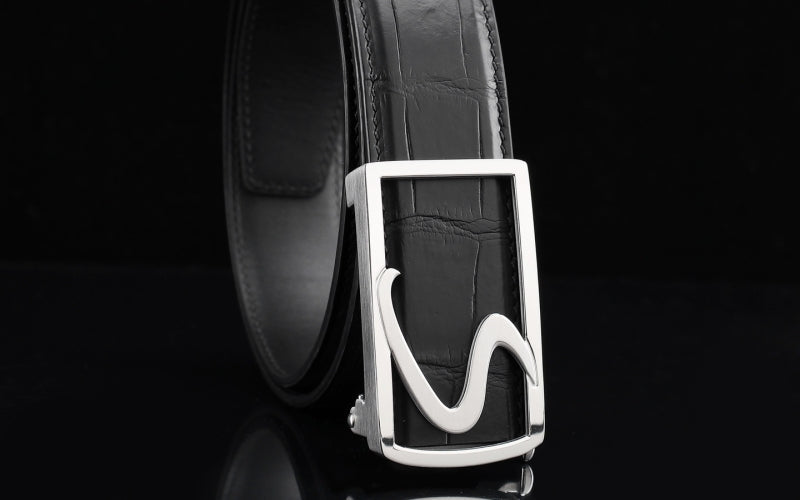
| Want rare-leather bragging rights | Crocodile and alligator ($118–$289) are rarer per belt than cordovan and far more recognizable. |
| Want one great everyday belt | Cordovan is overkill — full-grain from $58 with a 10-year warranty covers real life. |
The exotic alternative: BELTLEY's crocodile belts.
What Exactly Is Shell Cordovan Leather?
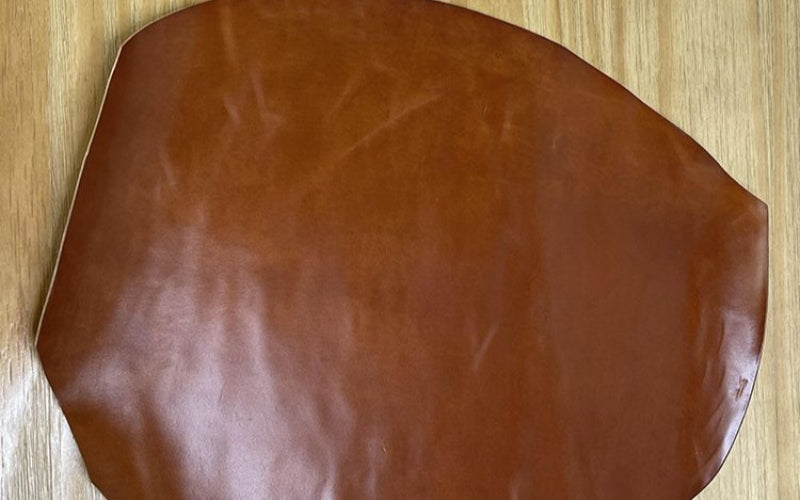
Shell cordovan is not horse leather in the conventional sense. It is a specific fibrous membrane — called the "shell" — located between two layers of skin on the rump of a horse. This dense, non-porous subcutaneous tissue is physically different from any other leather on earth: it contains no visible grain, no surface pores, and a tight fibrous structure that gives it extraordinary strength and a natural mirror-like luster.

It is technically a fascia layer — connective tissue rather than hide — which is why it behaves so differently from cowhide or other conventional leathers. The term "cordovan" derives from Córdoba, Spain, where skilled craftsmen first developed refined techniques for processing horse leather over a thousand years ago. As Wikipedia documents, the material has been prized since at least the 8th century.
What Part of the Horse Does It Come From?
Shell cordovan comes exclusively from the hindquarters — specifically the rump — of a horse. From this area, a tanner can extract two oval-shaped shells, each roughly the size of a large paperback book. That is the total usable yield from one animal.
The shells are buried between the outer hide and the subcutaneous fat layer. Extracting them cleanly requires a skilled hand: cut too deep and you destroy the structure, cut too shallow and the shell stays stuck to the skin. Most hides are simply not suitable — blemishes, scars, and insect damage disqualify large portions even before tanning begins.
This yield limitation is one of the most significant drivers of cost. Compare it to a cow, where you can tan the entire skin as full-grain leather — a large, flexible surface that covers boots, bags, belts, and jackets from a single hide. Shell cordovan gives you two small ovals. That is it.
Why Is Shell Cordovan So Expensive?
Shell cordovan is expensive because three compounding factors — extreme scarcity, a six-month production process, and a near-monopoly among producers — all drive cost upward simultaneously. Unlike most luxury leathers where one factor dominates, cordovan is constrained at every step of the supply chain.

This is not marketing-inflated pricing. It is structural. A full-grain cowhide belt from a quality tannery costs significantly less to produce than a comparable piece of cordovan, and the difference is entirely explained by real constraints in the supply chain.
Supply Is Brutally Thin
Horse leather farms are rare. Horses raised primarily for their hide are uncommon in most of the world, and the animals that do supply cordovan are typically sourced from the European meat industry. As Robb Report explains, the number of hides reaching tanneries each year is tiny relative to demand — and because each hide yields only two small shells, a single pair of shoes can consume an entire hide's cordovan output.
This scarcity is comparable to what drives up the price of alligator leather: when an animal yields a small usable surface area and supply is geographically constrained, prices climb regardless of what the market wants to pay.
The Tanning Process Takes Six Months
Standard full-grain leather can be chrome-tanned in a matter of days. Shell cordovan undergoes traditional vegetable tanning — a slower, chemistry-intensive process that takes a minimum of six months from raw shell to finished leather.
The shells are first soaked in water to remove salt and debris, then slowly worked through a series of tanning pits filled with oak bark extracts and vegetable liquors. According to Stridewise, most of this work is done by hand: the shells are periodically pulled from the pits, stretched, stuffed with tallow and oils, shaved to even thickness, and then polished — sometimes by hand, sometimes with a bone slicker — to develop their signature gloss. The labor cost alone over six months is substantial.
There is no shortcut. Rushing the tanning compromises the fiber structure that makes cordovan worth buying in the first place.
Only a Handful of Tanneries Produce It
The practical production of shell cordovan has narrowed to two dominant tanneries: Horween Leather Company in Chicago (founded 1905) and Shinki Hikaku in Japan. A small number of Italian tanneries — including Rocado — produce smaller volumes. That is essentially the entire global supply.
Horween's cordovan, in particular, is treated as a benchmark. The tannery has been processing shells using largely the same methods for over a century. Their capacity is fixed; they cannot simply ramp up output when demand spikes. When supply is this inelastic, prices stay high.
How Does Shell Cordovan Compare to Full-Grain Leather?
Shell cordovan outperforms full-grain leather in crease resistance, scratch recovery, and longevity — but is heavier, stiffer when new, and significantly more expensive. Full-grain leather is more versatile, more available, and more practical for everyday accessories like belts. Each material has a different ideal use case.

| Property | Shell Cordovan | Full-Grain Leather |
|---|---|---|
| Source | Horse rump membrane | Cowhide outer surface |
| Tanning time | 4-6 months (vegetable) | Days to weeks |
| Surface pores | Virtually none | Visible grain |
| Crease behavior | Rolls, doesn't fold | Creases over time |
| Scratch recovery | Scratches buff out fully | Permanent surface marks |
| Water resistance | High (naturally dense) | Moderate |
| Break-in period | Extended | Moderate |
| Price per sq ft | Very high | Moderate to high |
| Best use cases | Dress shoes, wallets | Belts, bags, jackets |
For belts specifically, the best leather types combine flexibility with durability. Full-grain leather — especially from top-tier tanneries — is genuinely the optimal choice for belts: it flexes with the body, breaks in quickly, and lasts decades. Shell cordovan's stiffness and cost make it uncommon in belt applications outside of very niche shoemaker-adjacent brands.
Does Shell Cordovan Crease Over Time?
Shell cordovan does not crease in the way conventional leather does — it rolls. Because the fibrous structure of the shell is tightly interlocked and non-porous, repeated bending causes the surface to form a rounded roll rather than a sharp fold or crinkle. These rolls are considered a desirable sign of wear and are typically shallow and visually attractive rather than damaging.

This property is unique. As Gentleman's Gazette notes, it is the defining practical advantage of shell cordovan for dress shoes: a pair of black oxford brogues in shell cordovan will maintain a cleaner silhouette over decades than the same shoe in calf leather. The rolls that develop are worn as a badge of honest use, not a sign of degradation.
Scratches are similarly unusual. Light scratches — from concrete, a thumbnail, a scuff — can be completely removed by buffing the surface with a bone or fingernail. The fibers literally realign. This is not possible with any other leather. As our guide to the most durable and iconic leather types covers, this kind of surface recovery is a genuine differentiator at the top of the leather hierarchy.
Can Shell Cordovan Be Used in Belts?
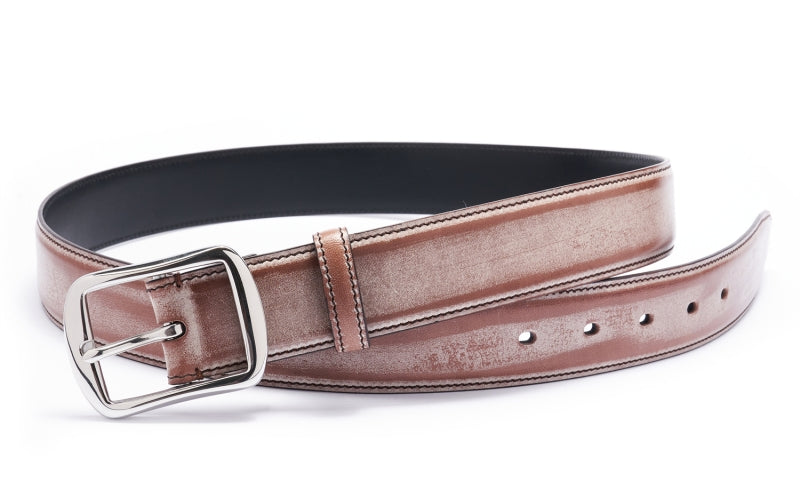
Shell cordovan can technically be used in belts, but it rarely is. The material is stiffer than full-grain cowhide, yields very small usable panels, and costs substantially more per square inch. Most shell cordovan belts on the market are made from offcuts from shoe production — and they command prices in the $200–$600 range for a single strap.
For buyers prioritizing exotic leather craftsmanship, alternatives like alligator and crocodile leather belts or handcrafted exotic leather belts offer exceptional character and rarity without the flexibility drawbacks of cordovan in belt form. Alligator leather, for instance, combines natural scale texture, remarkable tensile strength, and a surface that ages beautifully — making it arguably better suited to belts than cordovan.
At BELTLEY, our handmade leather belts are crafted from full-grain hides and exotic skins chosen specifically for belt performance: materials that flex, breathe, and break in without cracking. Shell cordovan is extraordinary, but matching the material to the application is what smart leather buying looks like.
How Do You Care for Shell Cordovan?
Shell cordovan requires conditioning with cordovan-specific cream — not a generic leather conditioner — applied sparingly every few months. Avoid heat and steam, which can cause the vegetable-tanned fibers to stiffen or warp. For scratches, rub gently with a fingernail or bone implement to realign the fibers before applying any product.

A few specific rules for cordovan care:
- Do not use mink oil or silicone sprays — they can soften the structure and dull the natural gloss.
- Use Saphir Cordovan cream or Venetian Shoe Cream — these are the industry-standard conditioners for equine leather.
- Brush before and after conditioning — a horsehair brush lifts debris and restores gloss without abrasion.
- Avoid prolonged water exposure — cordovan resists light moisture but is not waterproof. Dry slowly at room temperature if wet.
- Store away from direct sunlight — vegetable-tanned leathers darken with UV exposure.
Our leather care guide covers general care principles for premium leather goods. The same fundamentals apply to cordovan: respect the material, feed it occasionally, and it will outlast almost anything else in your wardrobe.
The Bottom Line
Shell cordovan is rare not because someone decided to make it exclusive — it is rare because of genuine physical and logistical constraints that cannot be engineered away. Two small ovals per horse, six months of hand labor, three tanneries capable of doing it right: that supply equation produces a leather that costs what it costs. The payoff is a material that lasts 30-plus years, doesn't crease, and gets better looking with age in a way most leathers never manage.
If you're evaluating premium leathers for your wardrobe — whether for shoes or a belt worth keeping for decades — understanding the materials hierarchy matters. At BELTLEY, that's exactly how we think about it: source the right leather for the right application, skip the brand markup, and let the craftsmanship speak for itself. Our full-grain leather belts and handcrafted exotic options are built on the same philosophy. Explore our exotic leather belt collection to find your next piece.
Frequently Asked Questions
Q: Is shell cordovan real leather?
Shell cordovan is technically not leather in the conventional sense — it is a processed fascia membrane (connective tissue) from a horse's rump, not the outer hide. However, the industry classifies it as leather because it undergoes the same fundamental tanning process. It is widely considered the most premium leather available.
Q: Why does shell cordovan cost so much more than calfskin?
Shell cordovan costs more because supply is radically limited — each horse yields only two small oval shells — and tanning takes six months of skilled hand labor. Calfskin comes from widely available cow hides and can be processed in days. The price premium reflects real constraints, not brand inflation.
Q: Does shell cordovan get better with age?
Yes. Shell cordovan develops a deep, rich patina over years of wear — darker at the toe box and heel, lighter along flex points. The gloss intensifies with regular conditioning and buffing. Well-maintained cordovan shoes from the 1970s are still in use today and prized for their character.
Q: Can you wear shell cordovan in the rain?
Shell cordovan resists light rain well due to its dense, nearly poreless surface. It is not waterproof — prolonged saturation will damage any vegetable-tanned leather. If it gets wet, let it dry at room temperature away from heat sources before conditioning.
Q: Which tanneries produce the best shell cordovan?
Horween Leather Company in Chicago is the global benchmark. Their cordovan has been produced since the early 20th century using methods that haven't changed dramatically. Shinki Hikaku in Japan is the other major name, producing shells particularly favored by Japanese shoemakers for their consistency and tighter color control.
Q: Is shell cordovan used in belts?
Rarely, and at a significant price premium. Most shell cordovan goes to dress shoe production. Belt applications are niche and expensive due to the small yield per animal and the material's relative stiffness compared to cowhide. For exotic leather belts with similar craftsmanship prestige, alligator or full-grain are more practical choices.