What Is an Oiled or Waxed Leather Belt? The Complete Guide
TL;DR:
- Oiled and waxed leather belts are full-grain hides deeply saturated with natural oils and/or waxes — creating a flexible, water-resistant strap with a lived-in, heritage character
- The signature "pull-up effect" — lighter tones appearing when the leather bends or flexes — is the defining visual signature of both types
- Unlike most leathers that darken with age, oiled and waxed belts age lighter, developing a personal patina that records the story of every wear
Most belts stay exactly the same from day one until the day they fall apart. An oiled or waxed leather belt works the opposite way — it changes, deepens, and improves the more you wear it. The hide has been saturated with heavy oils and/or waxes that move within the fiber structure, making the leather more flexible, more weather-resistant, and far more visually interesting than a standard polished belt.
This guide covers exactly what these belts are, what separates oiled from waxed, why the pull-up effect happens, and how to care for one so it lasts decades. If you're comparing options in full-grain leather belts, understanding the finish treatment is just as important as understanding the leather grade itself.
Is Pull-Up Leather Right for You?
The lived-in look has a personality type:
| Your situation | Go with |
|---|---|
| Jeans, boots, heritage style | Oiled or waxed pull-up — the lighter flex marks are the entire point. |
| Want weather resistance built in | Waxed especially — the wax layer sheds drizzle that would spot dry leather. |
| Pristine, uniform look forever | Skip pull-up — it records every bend and scuff by design. Glazed calfskin keeps the poker face. |
| Office dress code | Smooth full-grain or croc — pull-up's rugged character reads weekend. |
Matte, glazed, and everything between: BELTLEY's men's collection.
What Exactly Is an Oiled Leather Belt?
An oiled leather belt is made from full-grain hide that has been saturated with natural oils — typically neatsfoot oil, mink oil, or fish oil — pressed deep into the leather fibers. This treatment softens the hide, increases flexibility, and creates a relaxed, organic look with a matte-to-satin finish that develops character through daily use.

The oil doesn't coat the surface — it penetrates. In quality production, the hide is drum-tumbled or submerged in the oil solution until every fiber is saturated. The result is leather that feels supple from day one without requiring the long break-in period typical of vegetable-tanned leather. The surface is slightly porous and naturally draws in more oil over time, meaning a quality oiled leather belt essentially conditions itself with regular wear.
Oiled leather is the traditional material for work belts, outdoor gear, and rugged casual belts that need to flex under real conditions without cracking. It's also the base category for pull-up leather — a term you'll encounter repeatedly alongside "oiled leather," as noted by leather experts at Arcane Fox.
What Exactly Is a Waxed Leather Belt?
A waxed leather belt is made from full-grain hide treated with natural waxes — most commonly beeswax, carnauba wax, or a blend of both — that are pressed or melted into the leather under heat. The wax coating creates a harder surface finish that protects against moisture, abrasion, and environmental exposure while giving the belt a distinctive subtle sheen.
According to the Leather Dictionary's documentation on pull-up leather, waxed leather is technically a branch of pull-up leather and shares all the same core characteristics — including the pull-up color shift when the leather bends. The wax provides a slightly firmer, more polished feel compared to oiled leather. When a scratch appears on waxed leather, rubbing your finger over it generates enough heat to reflow the wax and partially "self-heal" the mark.
Waxed leather belts age with more sheen than their oiled counterparts and offer better initial weather resistance. The classic "crazy horse" leather belt — a beloved heritage finish found in artisan goods worldwide — is essentially a heavily waxed pull-up leather given an antique appearance through the application and buffing of multiple wax layers. Our handmade belt collection includes full-grain constructions that showcase exactly how this finish performs over years of wear.
What Is the "Pull-Up Effect" in Oiled and Waxed Leather?
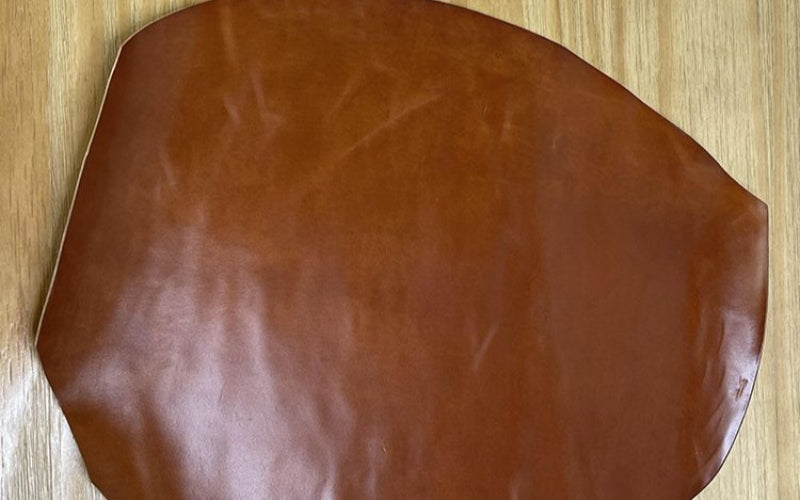
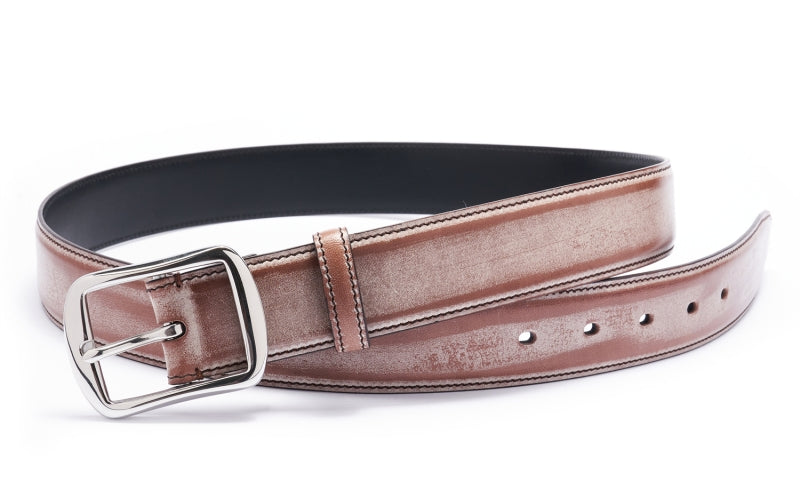
The pull-up effect occurs when oiled or waxed leather is bent, stretched, or scratched — causing the oils and waxes within the fiber structure to shift and temporarily reveal lighter tones from beneath the surface. These lighter areas "pull up" to the surface, creating a multi-tone color variation that is the defining visual signature of this leather category.

As detailed in Steel Horse Leather's guide to waxed leather, the oils and waxes within the fiber structure are not locked in place — they flow. When the leather flexes, they redistribute unevenly, exposing areas of hide that contain less pigment or coating. The color doesn't disappear permanently — gently rubbing the area with your thumb generates friction heat, causing the oil or wax to flow back into place and restore the original tone.
This effect is intentional, not a defect. Collectors and enthusiasts specifically seek oiled and waxed leathers because of the pull-up effect. A belt worn regularly will develop distinct light and dark tones along the buckle fold, the most-used holes, and the strap edges. After a year, no two belts — even made from the same hide — will develop identical patterns. That's the appeal: each belt becomes uniquely yours.
Oiled Leather vs. Waxed Leather: What's the Real Difference?
The practical difference between oiled and waxed leather belts is minimal. Both use full-grain hide saturated with natural substances, both exhibit the pull-up effect, and both develop a rich patina over time. The key distinction is in composition: oil softens and conditions the fibers from within, while wax hardens the surface and creates a protective barrier — giving oiled leather a more organic feel and waxed leather more weather resistance.
Here's a direct side-by-side comparison:
| Feature | Oiled Leather Belt | Waxed Leather Belt |
|---|---|---|
| Surface feel | Supple, relaxed, slightly porous | Firmer, slight waxy or slick touch |
| Pull-up effect | Yes | Yes |
| Water resistance | Moderate | Higher |
| Patina development | Fast | Fast |
| Scratch behavior | Shows marks, conditions out over time | Partial self-healing by reflowing wax |
| Best application | Casual, outdoor, work belts | All-weather, heritage, dress-casual |
| Maintenance | Oil conditioner every 3–6 months | Wax conditioner every 3–6 months |
Both finishes are applied to the same leather grades — most commonly full-grain or vegetable-tanned hides. The treatment happens after tanning, so the underlying hide quality determines long-term durability more than the finish does. Our guide on what type of leather is best for belts covers the full leather grade hierarchy if you want to understand where oiled and waxed finishes sit in the broader landscape.
Why Do Oiled and Waxed Leather Belts Develop Such a Rich Patina?
Oiled and waxed leather develops patina faster than most leather types because the oils and waxes within the fiber structure are in constant, subtle motion with every flex, scratch, and exposure to light. Pull-up leather also ages in an unusual direction — it becomes lighter over time, not darker — as the waxes gradually disperse and the surface color softens into a warm, vintage tone unique to each owner.

Standard polished leathers have a lacquered or coated surface that holds color in place. Oiled and waxed leathers have no such coating — the surface is, in a sense, alive. According to leather care specialists at leathercare.com, pull-up leather is particularly prone to developing patina quickly because every contact point — the inside of a belt loop, a fold over a trouser waistband, a scratch against a metal buckle — leaves a permanent visual imprint in the wax or oil layer.
Every fold creates a crease mark. Every day of sun exposure gently lightens the highest points. Every wear pattern at the buckle holes tells a story. After 12-18 months of regular wear, an oiled leather belt looks completely different from a brand-new one — and that transformation can only come from genuine daily use on a quality full-grain hide. That's what makes the patina irreplaceable.
Are Oiled or Waxed Leather Belts Durable?
Yes — oiled and waxed leather belts are among the most durable options available. The deep oil and wax saturation improves tensile strength, reduces cracking, and gives the leather internal moisture that prevents the brittleness that causes most leather belts to fail. A well-made oiled or waxed belt on full-grain hide should last 10–20 years or longer with minimal care.
The oils and waxes embedded in the fiber act as built-in conditioning agents. A standard leather belt that's neglected will dry out and crack within a few years. An oiled or waxed belt has a reserve of conditioning agents already inside the fiber — making it significantly more forgiving of occasional missed maintenance sessions.
Durability is ultimately determined by leather grade and construction quality before finish type. An oiled or waxed finish on genuine or bonded leather will still fall apart quickly, because those lower-grade leathers don't have the fiber integrity to hold the treatment long-term. For a full breakdown of which leather types last longest, our guide on the most durable leather belts separates a 20-year belt from a 2-year one in plain terms.
At BELTLEY, every belt in our full-grain leather collection is built on full-grain hide precisely because it's the only grade that can properly accept oil and wax saturation and develop a genuine pull-up patina over decades of wear.
How to Care for an Oiled or Waxed Leather Belt
These belts are designed to be lower-maintenance than polished or smooth leather — their finish is forgiving by nature. Here's the basic care routine:

Cleaning:
- Wipe surface dirt away with a soft, slightly damp cloth
- Avoid chemical solvents, saddle soap (too drying for oiled leathers), or harsh cleaners that can strip the embedded oils and waxes
- Allow to air-dry naturally at room temperature — never use direct heat sources like hair dryers or radiators, which can cause the fiber to contract and crack
Conditioning:
- Apply conditioner every 3–6 months under normal use
- For oiled leather: neatsfoot oil, mink oil, or a leather balm works well
- For waxed leather: a beeswax-based product like Bickmore Beeswax Cream or Leather Honey maintains the protective layer
- If the leather feels dry or stiff before your scheduled conditioning date, condition immediately — don't wait
Scratch and scuff restoration:
- Waxed leather: rub the scratch firmly with your thumb — friction heat reflows the wax and often removes the mark entirely
- Oiled leather: apply a small amount of leather balm and work it in with circular strokes
Storage:
- Hang the belt on a belt hanger or roll it loosely — avoid folding it tightly in a drawer, where a sharp permanent crease can form
- Keep away from prolonged direct sunlight when stored (short-term UV exposure during wear is fine and contributes to natural patina)
For care instructions across all belt leather types, our detailed leather care guide covers everything you need.
Is an Oiled or Waxed Leather Belt Right for You?
These belts aren't designed to look the same every day — and that distinction matters. If you want a belt that maintains a consistent, polished appearance for boardroom settings, a smooth dress belt is the better fit. But if you want a belt that builds character, ages with you, and looks more interesting at year three than it did on day one — oiled or waxed leather is the right material.
They're ideal for casual belts, weekend wear, outdoor use, and any outfit where relaxed authenticity matters more than formal polish. For brown and tan colorways in particular, oiled and waxed finishes produce particularly beautiful patina — the warm tones of cognac, saddle tan, and medium brown develop visible depth and character that black-dyed versions, while still attractive, can't quite replicate. Explore our brown leather belt collection to see how these finishes look in practice.
For a broader comparison of how oiled and waxed finishes stack up against vegetable-tanned, chrome-tanned, and exotic leathers, our guide on the 10 most iconic leather types for belts covers every major option with honest trade-offs.
The Bottom Line
An oiled or waxed leather belt is fundamentally different from a standard belt — not just in how it looks, but in how it lives. The deep oil or wax saturation creates a surface that records every wear, develops a pull-up patina that belongs only to you, and builds long-term durability that coated or polished finishes can't match. Both types share the same pull-up mechanism and both age lighter over time rather than darker — a characteristic that sets them apart from virtually every other leather finish. The choice between oil and wax comes down to feel preference and use context: oiled for a more organic, supple hand; waxed for slightly more weather protection and sheen.

If you're ready to invest in a belt that improves with every wear, BELTLEY's full-grain leather belts are handcrafted in small batches by master artisans, backed by a 10-year warranty on materials and construction, and shipped free worldwide — with a 30-day hassle-free return policy so you can find the right fit with zero risk.
Frequently Asked Question
Q: What is an oiled leather belt?
An oiled leather belt is made from full-grain hide that has been deeply saturated with natural oils — typically neatsfoot oil, mink oil, or fish oil — during the finishing process. The oils penetrate the fiber structure rather than coating the surface, creating a supple, flexible belt with an organic matte finish that develops a personal patina with use.
Q: What is the difference between oiled leather and waxed leather in a belt?
Oiled leather uses natural oils to condition and soften the fiber from within. Waxed leather uses natural waxes (beeswax, carnauba) to create a harder, more protective surface. Both produce the pull-up effect and develop patina, but waxed leather offers slightly better moisture resistance while oiled leather has a more relaxed, organic feel.
Q: What is the pull-up effect on a leather belt?
The pull-up effect occurs when oiled or waxed leather is bent, scratched, or flexed — causing the internal oils and waxes to shift and temporarily reveal lighter tones from beneath the surface. Rubbing the area with your thumb restores the original color as the fats flow back into place. It's considered a desirable quality, not a defect.
Q: Do oiled or waxed leather belts last longer than regular leather?
Yes. The deep oil and wax saturation within the fiber acts as built-in conditioning, making these belts significantly more resistant to drying and cracking over time. A quality oiled or waxed belt on full-grain hide typically lasts 10–20 years with minimal care — far longer than a standard coated leather belt.
Q: Is crazy horse leather the same as waxed leather?
Crazy horse leather is a type of waxed or oiled pull-up leather, yes. It's typically full-grain cowhide that's been heavily treated with wax to produce a two-tone antique appearance. The defining characteristic is the same pull-up effect — flex and scratch lines lighten against the base color, creating a vintage look that intensifies with age.
Q: How often should I condition an oiled leather belt?
Condition an oiled leather belt every 3–6 months under normal use, or immediately if the leather feels dry, stiff, or shows fine surface cracking. Use neatsfoot oil, mink oil, or a leather balm designed for oiled leather. Over-conditioning is rarely a concern with these belts since the fiber readily absorbs excess conditioner.