What Are Louis Vuitton Belts Made Of? (and Why It Matters)
TL;DR: Quick Answer
- Most Louis Vuitton belts use coated canvas — a cotton-polyester blend sealed with PVC — not full leather
- Genuine leather appears in select lines like Epi, Taiga, and some reversible models, but it's often corrected-grain, not full-grain
- Hardware is brass with gold or palladium plating, which can wear through after regular use
- Understanding these materials helps you decide whether the $500–$700+ price reflects real craftsmanship or brand markup
You're about to spend $500 or more on a Louis Vuitton belt. Before you do, you deserve to know exactly what's wrapped around your waist. The answer might surprise you — because the iconic LV Monogram belt you've seen everywhere is not made of leather. Here's a transparent, material-by-material breakdown from a brand that works with leather every single day.
If you're weighing designer options, our Gucci vs. Louis Vuitton Belts comparison covers how these two giants stack up on materials, durability, and value.

What Material Is the Classic Louis Vuitton Monogram Belt Made Of?
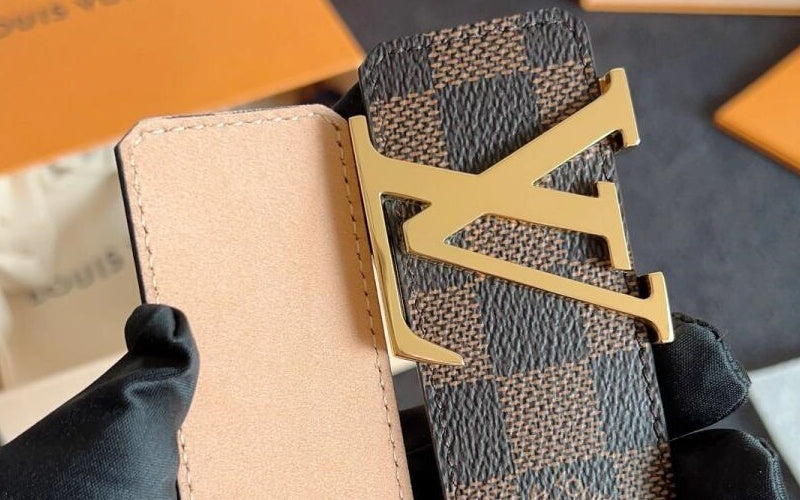
The signature Louis Vuitton Monogram belt is made of coated canvas — a cotton-polyester fabric sealed with a PVC (polyvinyl chloride) coating and printed with the iconic LV pattern. It is not leather. This same coated canvas appears across roughly 80% of LV's belt lineup, including the Damier Ebene and Damier Graphite collections.
Louis Vuitton developed this material in the late 19th century as a lighter, more water-resistant alternative to traditional leather trunks. The Rebag material guide confirms that LV's Monogram canvas is a textile base with a plastic-resin finish — functional and durable for luggage, but a far cry from the full-grain hides used in premium leather goods.
So why does it matter? Because coated canvas behaves differently than leather. It doesn't develop a patina. It doesn't breathe. And under repeated bending stress — exactly what a belt endures — the PVC coating can crack and peel within two to five years of regular wear. For more on this, read our deep look at whether Louis Vuitton belts are real leather or synthetic.

Does Louis Vuitton Use Real Leather in Any Belts?
Yes — Louis Vuitton uses genuine leather in several belt lines, though the type and grade vary. Epi leather is vegetable-tanned calfskin stamped with a distinctive wave-grain pattern and finished with a water-resistant coating. According to Liberty Leather Goods, Epi has been part of LV's lineup since 1985 and is one of the brand's most durable materials.
Taiga leather, another calfskin option, features a corrected grain — meaning natural imperfections are sanded down and a uniform texture is embossed over the surface. It's used exclusively in LV's men's accessories. While Taiga is genuine leather, corrected-grain processing removes the outermost fiber layer, which reduces the hide's natural strength and longevity compared to full-grain leather.
Vachetta leather — untreated, undyed calfskin — shows up as trim and buckle straps on some Monogram belts. It's known for developing a honey-colored patina over time, but it's also highly susceptible to water stains and dirt because it has no protective finish.
Many of LV's reversible belts pair coated canvas on one side with calf leather on the other, giving the impression of a "leather belt" while the primary display side remains synthetic-coated fabric. Understanding the difference between leather grades is crucial — our guide on full-grain leather vs. genuine leather explains why the label "genuine leather" often signals the lowest usable grade.

What Are Louis Vuitton Belt Buckles Made Of?
Louis Vuitton belt buckles are made of brass with gold or palladium (silver-tone) plating. The signature LV Initiales buckle, for example, uses a solid brass base coated with a thin layer of gold-colored or silver-colored finish. This plating gives the buckle its polished, luxury appearance out of the box.
The catch: plating wears off. With daily use, friction from clothing and contact gradually strips the thin metallic layer, exposing the raw brass beneath. LV does not typically offer re-plating services, so once the finish fades, it's permanent. This is a meaningful contrast to solid stainless steel or solid brass buckles, which maintain their appearance for decades because the metal is consistent throughout — there's no coating to lose.
At BELTLEY, we use 316L stainless steel buckles across our collection and solid brass on our heritage lines. These materials don't rely on surface plating, so they hold up to years of everyday wear without discoloration. Browse our stainless steel buckle belts or brass buckle belts to see the difference firsthand.

How Long Do Louis Vuitton Belts Actually Last?
With moderate use and proper care, a Louis Vuitton coated canvas belt typically lasts three to five years before showing significant wear. Daily wearers report canvas cracking, edge-paint chipping, and buckle plating fading within two to three years. The PVC coating traps moisture against the backing material, which accelerates deterioration — especially in humid climates or with heavy perspiration.
LV's leather belts (Epi, Taiga) generally fare better, lasting five to seven years with care. But even these use corrected-grain leather, which doesn't match the lifespan of full-grain hides. A study published by the Journal of the American Leather Chemists Association has shown that full-grain leather retains significantly higher tensile strength over time compared to corrected or split leather, because the intact grain surface acts as a natural barrier against moisture and abrasion.
For context, a well-made full-grain leather belt can last 10 to 20 years with basic maintenance. That's why BELTLEY backs every belt with a 10-year warranty covering materials and construction defects — a commitment that reflects the actual durability of properly sourced, full-grain hides.

Why Does Louis Vuitton Use Canvas Instead of Full Leather?
Three reasons: cost efficiency, brand consistency, and scalability. Coated canvas is significantly cheaper to produce than premium leather. It allows Louis Vuitton to maintain the exact same Monogram pattern across millions of products worldwide without the natural variation that comes with animal hides. And it scales — canvas can be manufactured in virtually unlimited quantities, while high-grade full-grain leather is inherently limited by supply.
According to Rave FabriCare's material analysis, the PVC-coated canvas is practical for bags and luggage where water resistance and lightweight construction matter. But a belt faces unique stresses — constant bending, body heat, perspiration, buckle tension — that canvas was never designed to handle long-term.
This is the core tension with designer belts: the material is chosen for brand recognition, not necessarily for the demands of the product category. Our piece on why designer belts are so expensive breaks down exactly where your money goes — and how much of it is the Brand Tax.

Is a Louis Vuitton Belt Worth the Price for the Materials You Get?
A Louis Vuitton Initiales belt retails for $500 to $700+ depending on the size and finish. For that price, the primary material in most models is PVC-coated canvas with brass-plated hardware. The leather used in trim and select styles is corrected-grain calfskin — solid, but not the highest grade available.
Compare that to what's available in the same price range from brands focused purely on materials and craftsmanship rather than logo recognition. A handcrafted exotic leather belt made from genuine crocodile or alligator hide — with 316L stainless steel hardware and a 10-year warranty — typically falls under $300 through a DTC model.
The question isn't whether Louis Vuitton makes a bad product. They make a consistent, recognizable accessory with strong resale value. The question is whether the materials justify the price — or whether you're paying a premium for the Monogram itself. For buyers who value material substance over brand signaling, the math points clearly toward full-grain or exotic leather alternatives.

The Bottom Line
Most Louis Vuitton belts are made of PVC-coated canvas, not leather. Select lines use corrected-grain calfskin (Epi, Taiga), and trim pieces feature untreated Vachetta leather. Buckles are brass with gold or palladium plating that wears over time. These are functional materials — but at $500–$700+, you're paying largely for brand equity rather than premium material sourcing.
If you want a belt where every dollar goes toward the leather and hardware itself, explore BELTLEY's full-grain leather belts or designer-quality belts — handcrafted with 316L stainless steel buckles, backed by a 10-year warranty, and shipped free worldwide.
Frequently Asked Questions
Q: Are Louis Vuitton belts real leather?
Most Louis Vuitton belts are not made of leather. The Monogram, Damier Ebene, and Damier Graphite lines use coated canvas — a PVC-sealed fabric. Some lines like Epi and Taiga use corrected-grain calfskin, and Vachetta leather appears as trim. Check out our full breakdown of whether LV belts are real leather or not.
Q: What is Louis Vuitton coated canvas made of?
Louis Vuitton coated canvas is a cotton-polyester fabric sealed with a PVC (polyvinyl chloride) plastic coating and printed with the brand's signature patterns. It was originally developed for luggage to provide water resistance and lightweight durability.
Q: How long does a Louis Vuitton belt last?
With regular use, an LV coated canvas belt typically lasts 3–5 years before showing cracking, peeling, or edge wear. Leather models (Epi, Taiga) can last 5–7 years. By comparison, a full-grain leather belt can last 10–20 years.
Q: Why are Louis Vuitton belts so expensive if they're not leather?
The price reflects brand equity, retail overhead, and marketing costs — not raw materials. Coated canvas is inexpensive to produce. The LV Monogram itself carries significant resale and social value, which accounts for most of the premium. Our article on why designer belts are so expensive explains the full cost breakdown.
Q: What type of leather is best for belts?
Full-grain leather is the gold standard for belt construction. It uses the complete hide surface with no sanding or correction, which preserves the leather's natural strength and allows it to develop a rich patina over time. Learn more in our guide on what type of leather is best for belts.