The Rarest Exotic Leather Belts — Hippo, Frog & Beyond
Quick answer: Beyond crocodile and ostrich lies a tier of ultra-rare exotic leathers — hippopotamus (thick and tough), frog and toad (tiny, textured novelty hides), and others like camel and shark. These are niche collector materials, prized for rarity and conversation value rather than practicality. Most are heavily regulated or restricted under wildlife laws, so legality and ethical sourcing are the deciding factors, not just the look.
Last updated: June 2026 • By BELTLEY Editorial
TL;DR:
- The rarest exotics include hippopotamus, frog, and toad leather.
- These are collector novelties — bought for rarity, not everyday practicality.
- Many are heavily regulated or restricted; legality and sourcing come first.
- For wearable rarity, mainstream exotics (croc, ostrich, shark) make more sense.
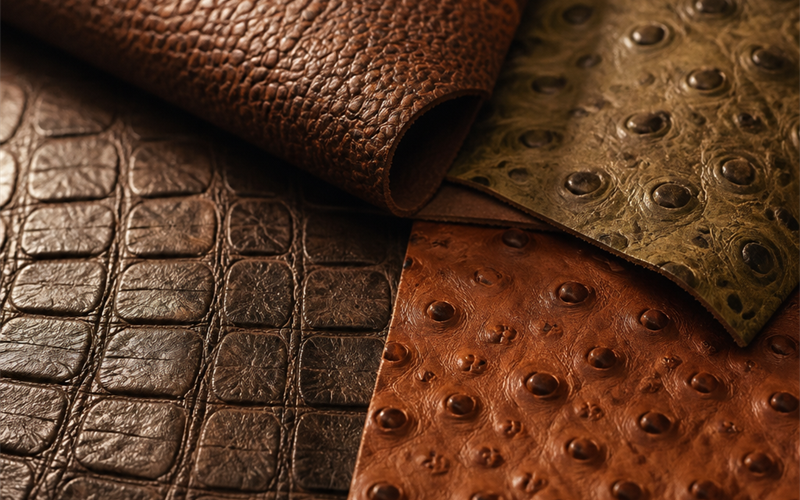
Most people stop at crocodile and ostrich, but there's a whole frontier of exotic leathers so unusual they're more curiosity than commodity. Hippopotamus hide, frog skin, toad leather — they exist, they're real, and they raise as many legal and ethical questions as style ones. This guide tours the rarest exotic leathers, what makes each distinctive, and the crucial caveats around legality and sourcing before you ever consider one. For the practical exotics most people actually buy, start with which animal leather is best for belts.

What are the rarest exotic leathers used for belts?
The rarest include hippopotamus (thick, extremely tough hide), frog and toad (tiny, highly textured novelty skins), and other niche materials like certain lizards and fish. These sit far beyond mainstream exotics in scarcity and are used mostly for collector pieces and accents rather than everyday belts, valued for rarity over practicality.

Each rare hide has its own character. The reference on the hippopotamus describes an animal whose skin is famously thick and tough — translating into an exceptionally durable, dense leather when legally available. Frog and toad skins, by contrast, are tiny and prized for unusual surface textures, used as small accents or novelty straps. These are genuine leather materials, but their scarcity, small size, and legal complications keep them at the fringe. They're the sort of thing a serious exotic collector seeks out, not a practical belt for daily wear. For most buyers, the mainstream exotics in our exotic leather belts collection deliver rarity you can actually wear.
Hippopotamus leather: what makes it unusual?
Hippo leather is one of the thickest, toughest, and densest exotic hides, far heavier than cowhide, with a distinctive coarse grain. Its extreme durability makes it a striking, substantial material — but hippos are regulated under international wildlife rules, so legal hippo leather is scarce and requires proper documentation to trade.

Key stat: Hippopotamus hide is so dense that historically it was used for polishing wheels and tough industrial applications — a clue to why hippo leather, when legally sourced, is among the most rugged and substantial exotic materials available.
Hippo's appeal is its sheer toughness and rarity. The hide's density gives any hippo-leather item real heft and a coarse, unmistakable grain. But this is precisely the kind of exotic where legality is the headline issue: the common hippopotamus is listed under CITES, meaning international trade is controlled and requires permits. Legitimate hippo leather comes only from regulated, documented sources, and it's expensive and hard to find. Anyone considering it should treat documentation as non-negotiable. This is a collector's material with a serious compliance dimension, not a casual purchase.
Frog, toad, and other novelty leathers: are they worth it?
For most people, no. Frog and toad leathers are tiny, fragile, novelty materials prized purely for their unusual texture and shock value, not durability or practicality. They make conversation-piece accents at best. Unless you're a dedicated collector who values pure rarity, mainstream exotics offer far better wearability and value.

Let's be honest about what these are. Here's how the rarest exotics compare on practicality:
| Leather | Character | Practicality | Main appeal |
|---|---|---|---|
| Hippopotamus | Thick, tough, coarse | Durable but heavy/scarce | Rarity, ruggedness |
| Frog | Tiny, textured | Low (fragile, small) | Novelty, conversation |
| Toad | Small, bumpy | Low (fragile, small) | Novelty, shock value |
| Camel/shark | Wearable, tough | High | Understated rarity |
The pattern is clear: the ultra-rare novelties trade practicality for pure uniqueness. A frog or toad accent might delight a collector, but it won't serve as a real everyday belt. If your goal is something rare yet genuinely wearable, you're better served by a tough understated exotic like shark or a softer one like camel, deerskin, or goatskin — rarity you can actually use.
Why does legality matter most with rare exotics?
Because the rarest exotic animals are often the most protected, so legality and ethical sourcing matter more than looks. Many rare hides — hippo and various reptiles and amphibians — are regulated or restricted under international and national wildlife laws. Buying undocumented rare exotic leather risks supporting illegal trade and may be unlawful to own or import.

This is the single most important point about rare exotics. The scarcity that makes them desirable often reflects conservation concern, and trade in many is controlled under CITES or banned outright. As one exotic leather ethics guide puts it, "CITES regulations are paramount — they ensure that the skins we so cherish come from sources that prioritize conservation and sustainability." Responsible sourcing isn't optional — it's the difference between a legitimate collector's piece and contraband. A reputable seller will only offer rare exotics from legal, documented, sustainably managed sources and will be transparent about provenance. If a rare-exotic belt comes with vague origins or a too-good price, walk away. This sourcing-first principle underpins how any serious maker handles exotics, including the responsibly sourced hides across our exotic leather belts range. With rare materials, ethics and paperwork come before aesthetics.
The Bottom Line
The rarest exotic leather belts — hippopotamus, frog, toad, and other ultra-niche hides — are collector curiosities prized for scarcity and conversation value rather than everyday practicality. Hippo brings extreme toughness; frog and toad bring novelty texture; all bring serious legal and ethical considerations, since the rarest animals are often the most protected. For nearly everyone, responsibly sourced mainstream exotics like crocodile, ostrich, and shark deliver rarity you can genuinely wear, without the compliance headaches. At BELTLEY, we source exotics legally and transparently, and price them fairly without a Brand Tax. Explore wearable, well-sourced rarity in our exotic leather belts collection.
Frequently Asked Questions
Q: Is hippo leather legal to buy?
Sometimes, but only from regulated, documented sources. The hippopotamus is listed under CITES, so international trade is controlled and requires permits. Legitimate hippo leather is scarce, expensive, and comes with provenance documentation. Undocumented hippo leather may be illegal to trade or import, so paperwork is essential.
Q: Are frog and toad leather belts real?
Yes, they exist, but they're tiny, fragile novelty materials used mostly as accents or conversation pieces rather than practical everyday belts. They're prized for unusual texture and rarity, not durability. For a wearable rare exotic, tougher options like shark or camel make far more sense.
Q: What is the rarest leather for a belt?
Among the rarest are hippopotamus, frog, and toad leathers, along with certain restricted reptile species. Their rarity comes from scarcity, small hide size, and heavy regulation. Because the rarest animals are often the most protected, legality and ethical sourcing are the most important considerations.
Q: Are rare exotic leathers worth buying?
Only for dedicated collectors who value pure rarity, and only when legally and ethically sourced with documentation. For practical wear and value, mainstream exotics like crocodile, ostrich, and shark are far better — they offer genuine rarity and beauty without the fragility, scarcity, or legal complications of ultra-niche hides.
,%20frog%20and%20toad%20(tiny,%20textured%20novelty%20hides),%20and%20others%20like%20camel%20and%20shark...)