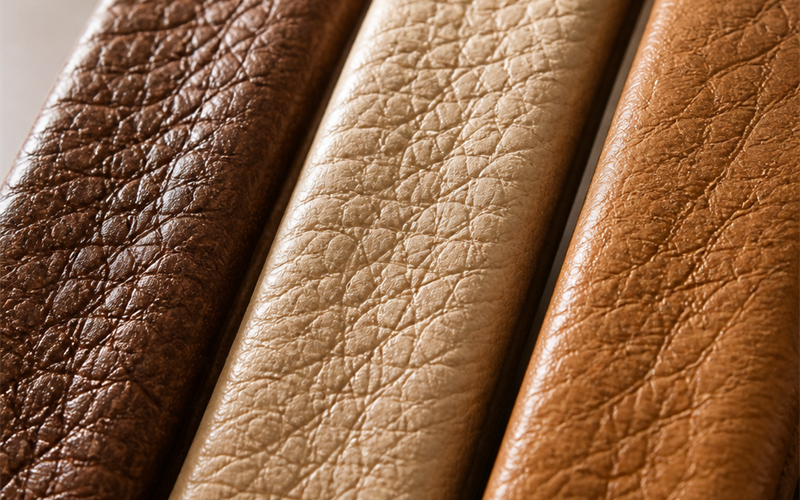
Camel, Deerskin & Goatskin Belts — The Underrated Soft Leathers
Quick answer: Camel, deerskin, and goatskin make soft, supple belts that sit between rugged cowhide and rare exotics. Deerskin is the softest and most flexible (and water-friendly), goatskin is light, tough for its weight, and naturally pebbled, and camel is durable and warm-toned. All three are more comfortable than stiff cowhide but generally less rigid, so they suit casual and soft-structured belts more than heavy-duty ones.
Last updated: June 2026 • By BELTLEY Editorial
TL;DR:
- Deerskin (buckskin) — softest and most flexible, handles getting wet better than most.
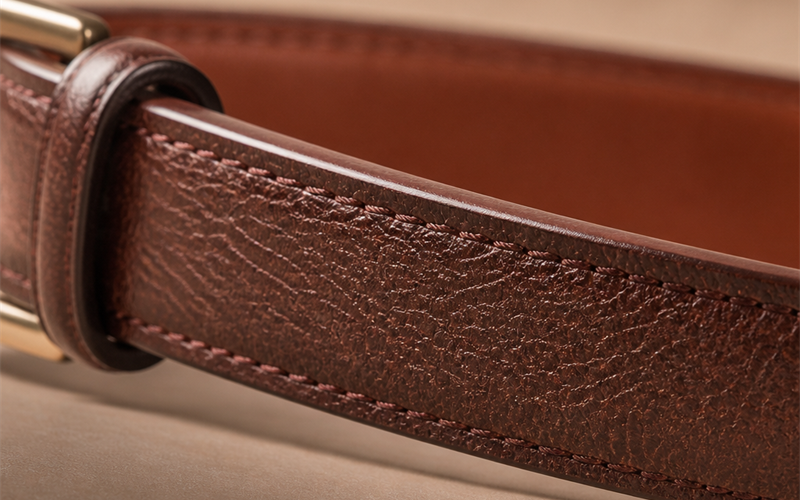
- Goatskin — light, surprisingly tough, with a natural fine pebble grain.
- Camel — durable, warm-toned, and resistant to drying in arid conditions.
- All three favor soft, casual belts; cowhide still wins for rigid, heavy-duty straps.
Everyone knows cowhide and everyone covets crocodile, but a whole middle tier of leathers gets overlooked — and they make excellent, comfortable belts. Deerskin clothed Native American communities for centuries, goatskin has bound books and made gloves for generations, and camel leather has long served desert cultures. This guide compares the three underrated soft leathers so you can decide whether one belongs in your rotation. For the wider field, see our overview of the most iconic leather types for belts.

What makes deerskin, goatskin, and camel different from cowhide?
They're softer, more flexible, and lighter than typical cowhide. Deerskin is prized for buttery suppleness, goatskin for a fine natural pebble grain and high strength-to-weight, and camel for durability with a warm color. None matches full-grain cowhide for sheer rigidity, but all three beat it for comfort and pliability against the body.

The difference is in the hide structure. Cowhide is thick and firm, which is why it makes such rigid, long-lasting belts. These softer leathers have finer, more flexible fiber networks. As the reference on deerskin notes, buckskin is "the soft, pliable, porous preserved hide of an animal — usually deer," historically tanned for clothing precisely because it's so wearable. UK tannery Billy Tannery makes the same distinction, praising deer's "superior softness" while noting goatskin's "almost pebbled effect" is "renowned for its durability." Goatskin and camel hide share that comfort-first character. The trade-off is structure: for a stiff, heavy-duty belt you still want cowhide, like those in our full-grain leather belts collection. For a soft, comfortable casual belt, these three shine.
Which is the most durable: deerskin, goatskin, or camel?
Goatskin and camel edge out deerskin on raw durability. Goatskin has an excellent strength-to-weight ratio and a tight grain that resists abrasion, camel is naturally tough and crack-resistant, while deerskin trades some durability for unmatched softness and stretch. For a belt that's both soft and hard-wearing, goatskin is often the sweet spot.

Key stat: Goatskin's tight fiber structure gives it a high strength-to-weight ratio — one reason it's been the traditional leather for bookbinding and work gloves for centuries, where thin-but-tough is exactly what's needed.
Here's how the three compare for belt use:
| Leather | Softness | Durability | Water tolerance | Best belt type |
|---|---|---|---|---|
| Deerskin | Highest | Medium | Good (stays soft wet) | Soft casual, flexible |
| Goatskin | High | High (for weight) | Medium | Light, tough casual |
| Camel | Medium-high | High | Medium-high | Durable casual, warm tones |
| Full-grain cowhide | Low (firm) | Highest | Medium | Rigid, heavy-duty |
Durability also depends on how the belt is built, not just the hide. A soft leather with raw edges and a flimsy buckle will fail early regardless of species. The same tanning quality and construction standards apply — solid backing, sealed edges, and real metal hardware. For the principles, see what is the most durable leather belt.
Is a deerskin belt good if it gets wet?
Yes — deerskin handles moisture better than most leathers. Properly tanned deerskin (buckskin) stays soft and pliable after getting wet and drying, whereas stiff vegetable-tanned cowhide can harden or stain. This makes deerskin a comfortable choice for humid climates or anyone who dislikes a belt that stiffens up.

This water-friendliness is a genuine deerskin advantage rooted in its traditional brain-tanning heritage, which produced a hide that survived rain and re-wetting without going board-stiff. Modern deerskin retains much of that forgiving character. It's not invincible — you should still dry any leather slowly and away from heat — but deerskin is far less likely to crack or stiffen than cowhide after a soaking. If a soft, weather-tolerant casual belt appeals, deerskin is worth seeking out; just remember it stretches more than cowhide, so factor that into sizing as covered in how to choose a good leather belt.
Who should choose camel, deerskin, or goatskin belts?
Choose deerskin if you want the softest, most flexible belt and don't mind some stretch; choose goatskin for a light, tough casual belt with a handsome natural pebble; choose camel for durability and a warm, distinctive color. All three suit someone who finds cowhide too stiff and wants comfort without going to a costly exotic.

These leathers are the practical middle ground — more interesting and comfortable than basic cowhide, far more affordable than crocodile or ostrich. The general camel and goatskin references confirm these are long-established, genuine leathers with real heritage, not novelty materials. A goatskin or camel belt makes a great everyday casual strap that stands out subtly; deerskin suits anyone prioritizing softness against the body. They slot in naturally alongside the rest of your casual belts and men's belts. For a rigid dress or heavy-duty need, though, return to full-grain cowhide.
The Bottom Line
Camel, deerskin, and goatskin are the underrated soft leathers worth knowing: deerskin for buttery, water-tolerant suppleness, goatskin for tough, lightweight versatility, and camel for warm-toned durability. None replaces full-grain cowhide for a rigid, heavy-duty belt, but all three deliver comfort and character that basic cowhide can't, at a fraction of exotic prices. At BELTLEY, the leather is only half the story — solid backing, sealed edges, and real metal hardware make any hide last, and our DTC pricing means no Brand Tax. Explore comfortable, well-built options across our casual belts and full-grain leather belts collections.
Frequently Asked Questions
Q: Is deerskin good for a belt?
Yes, for a soft, flexible casual belt. Deerskin (buckskin) is exceptionally supple and handles getting wet better than most leathers, staying soft rather than stiffening. The trade-off is that it stretches more and is less rigid than cowhide, so it suits soft belts more than heavy-duty ones.
Q: Is goatskin durable for belts?
Goatskin is surprisingly durable for its light weight, thanks to a tight fiber structure that resists abrasion — the same quality that made it a traditional glove and bookbinding leather. It makes a tough, lightweight casual belt with an attractive natural pebble grain.
Q: Is camel leather good quality?
Quality camel leather is durable, naturally resistant to drying and cracking, and has a warm, distinctive color. It's been used in arid regions for generations precisely because it holds up well. Like any leather, its quality depends on the tanning and construction, not just the species.
Q: Which is softer, deerskin or goatskin?
Deerskin is softer and more flexible, prized for its buttery, pliable feel. Goatskin is also soft but firmer, with a fine pebble grain and a higher strength-to-weight ratio. If maximum softness is the goal, choose deerskin; for soft-but-tough, choose goatskin.
,%20goatskin%20is%20li...)