What Does a Leather Belt Symbolize? (More Than Just Holding Up Pants)
TL;DR: Quick Answer
- A leather belt symbolizes power, status, discipline, and personal identity — meanings that stretch back over 5,000 years to the Copper Age.
- Across cultures, belts have represented military rank, spiritual truth, martial arts mastery, and social belonging.
- Today, a leather belt still signals self-respect, attention to detail, and intentional style — far more than a tool to hold up pants.
A leather belt is one of the oldest accessories humans have ever worn. The question what does a leather belt symbolize sounds simple, but the answer reaches across thousands of years of human civilization — from Bronze Age hunters to Roman soldiers to the boardrooms of 2026. A belt is never just functional. It carries meaning about who you are, what you value, and where you stand. That's exactly why choosing the right handmade leather belt still matters today. Below, we trace the symbolism of leather belts through history, religion, culture, fashion, and gifting — and explain why this small strip of leather carries such outsized significance.

What Did Belts Symbolize in Ancient Civilizations?
Belts were among the earliest markers of identity, status, and preparedness in human history. Archaeological evidence shows that humans used leather belts for both practical survival and social signaling as far back as the Copper Age — more than 5,000 years ago.
The most famous example is Ötzi the Iceman, a 5,300-year-old natural mummy discovered in the Alps in 1991. Ötzi wore a calf-leather belt measuring two meters long, with a sewn pouch containing tools — a scraper, a drill, a bone awl, and a flint flake. According to research published on PubMed, the careful selection of contrasting animal skins in Ötzi's clothing points to "a complex encoding of role and personal identity." His belt wasn't just utilitarian. It broadcast competence and resourcefulness.
In ancient Egypt, pharaohs wore gold-buckled belts as symbols of divine authority. In ancient Rome, the cingulum militare was a leather belt worn by soldiers to signify military rank — the width, ornamentation, and materials of the belt indicated the wearer's position within the hierarchy. Losing your belt in Rome was an act of dishonor. The belt was your rank.
By medieval Europe, belts had evolved into full status symbols. Nobility wore belts made of fine leather adorned with precious metals and gemstones, while commoners wore plain straps. Sumptuary laws in some regions even regulated which classes could wear certain belt styles — making the leather belt a literal legal marker of social standing.

The Belt of Truth: Spiritual and Biblical Symbolism
In Christian theology, the belt holds foundational spiritual meaning. Ephesians 6:14 instructs believers to "stand therefore, having fastened on the belt of truth" as part of the Armor of God. The metaphor is deliberate: a Roman soldier's wide leather belt gathered his garments, held his sword, and anchored every other piece of armor to his body.
According to Christianity.com's analysis of the passage, the belt of truth represents the foundation upon which all other spiritual defenses rest. Without the belt, the armor falls apart. Without truth, everything else collapses.
This spiritual symbolism has bled into secular language too. Phrases like "tighten your belt" (discipline and endurance) and "below the belt" (an unfair attack) both draw on the belt's association with integrity, preparedness, and moral boundaries. Curious about the practical counterpart of this symbolism? Our guide on the point of a belt buckle explores how form and function intersect in modern belt design.

Why Do Martial Arts Use Belts as Symbols of Mastery?
The colored belt system in martial arts represents a practitioner's journey from beginner to master, with each color signifying a specific stage of skill, discipline, and personal growth. The system was introduced in 1883 by Jigoro Kano, the founder of Judo, who originally created only two ranks: white belt for beginners and black belt for advanced practitioners.
In 1936, Mikinosuke Kawaishi expanded the system while teaching Judo in France, introducing intermediate colors — yellow, orange, green, blue, and brown — to give students more tangible milestones. According to Fight Quality's history of the black belt, the belt is "not simply a piece of cloth; it's a symbol of time, effort, and personal transformation."
The connection between martial arts belts and leather belts runs deeper than you might expect. Both systems use a physical strip of material to represent something invisible — rank, commitment, identity. A well-earned black belt and a well-worn leather belt share the same DNA: they tell people this person has put in the work.

How Do Different Cultures Interpret Belt Symbolism?
Belt symbolism varies dramatically across world cultures, but one theme is universal: the belt marks transitions, belonging, and identity. Here's how different traditions treat this accessory:
| Culture | Belt Symbolism |
|---|---|
| Japanese | The obi — a wide belt used in kimono dress — signals age, marital status, and occasion through its tying method |
| Native American | Beaded and leather belts serve as ceremonial objects encoding ancestry and tribal identity |
| Chinese | Red belts are gifted during Lunar New Year to ward off evil spirits and invite good fortune |
| African | Leather belts worn during initiation ceremonies mark the transition from youth to adulthood |
| Scottish | The kilt belt with clan-specific buckles represents family lineage and heritage |
| Military (global) | Belts signify discipline, unit belonging, and rank across virtually every armed force |
This cross-cultural consistency reveals something fundamental: humans instinctively attach meaning to what goes around the waist. The belt sits at the body's center — literally holding things together — and cultures worldwide have turned that physical reality into metaphor. For more on how belts have served practical and symbolic roles throughout the centuries, see our history of leather belts.

What Does a Leather Belt Symbolize as a Gift?
Gifting a leather belt symbolizes support, commitment, and the wish for longevity. Because leather is durable and improves with age, it carries a message of "I want this to last" — whether applied to a relationship, a friendship, or a milestone.
The connection between leather and endurance is formalized in wedding anniversary traditions: the third wedding anniversary is traditionally the "leather anniversary," symbolizing the strength and flexibility a marriage develops after its early years. A leather belt is one of the most popular gifts for this occasion.
Beyond anniversaries, leather belts carry specific meanings in different gifting contexts:
- From a partner: "I support you and want to be part of your daily life" — an intimate, personal accessory
- For a graduation or promotion: discipline, achievement, readiness for the next chapter
- For a father or mentor: respect for their strength and guidance
- For a milestone birthday: craftsmanship that ages well, mirroring the recipient
If you're considering a leather belt as a meaningful gift, our unique leather gifts collection features handcrafted options that carry real weight — both in symbolism and in material quality.
Modern Symbolism: What Your Belt Says About You Today
In 2026, a leather belt still communicates volumes — just in a quieter register. Fashion psychology research suggests that accessories like belts function as nonverbal social cues, signaling attention to detail, self-discipline, and personal taste.
Here's what different belt choices tend to communicate:
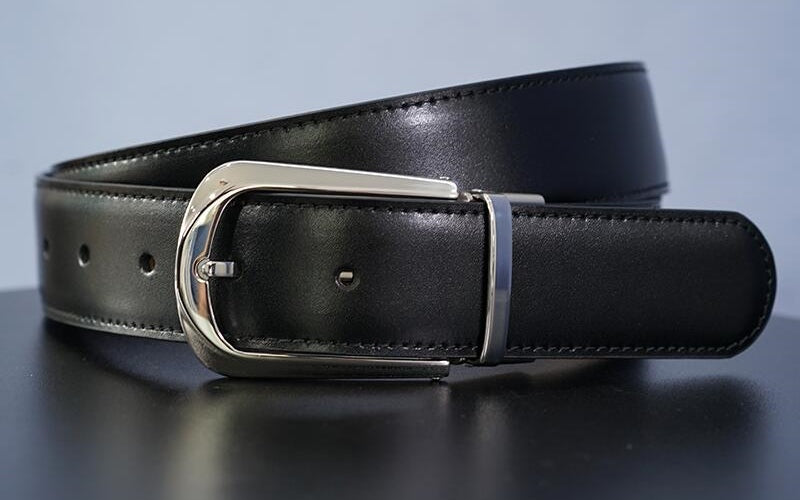
- Full-grain leather with a simple buckle: understated confidence, values substance over flash
- Exotic leather (crocodile, alligator): refined taste, willingness to invest in quality — browse BELTLEY's exotic leather collection for examples
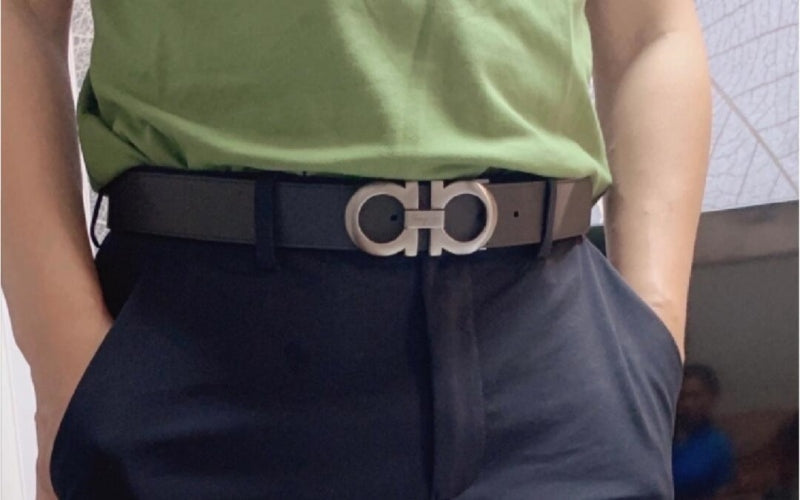
- Bold or unique buckle designs: individuality, creative self-expression
- Worn, patinated leather: experience, authenticity, a life well-lived
- No belt at all: increasingly acceptable in casual settings, but in professional or formal contexts, the absence of a belt is still noticed
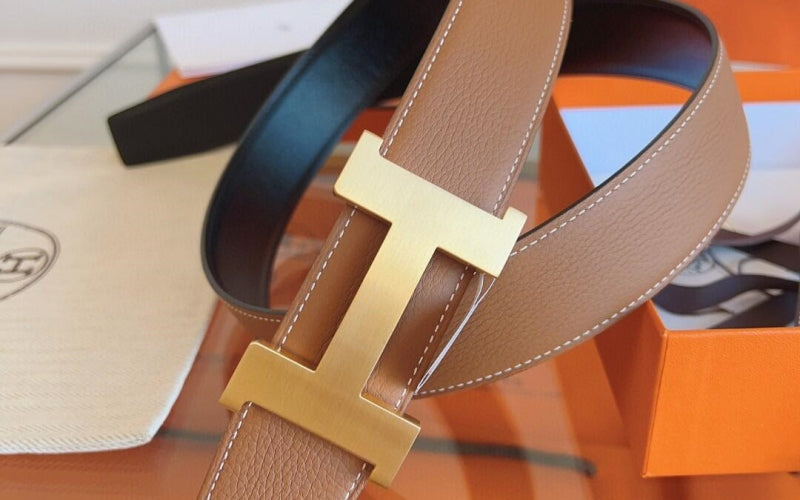
The shift away from logo-heavy designer belts toward artisan-crafted, material-first options reflects a broader cultural change. The "Smart Money" buyer — the person who understands that the best leather types outlast the loudest brand names — is redefining what a belt symbolizes in modern fashion.

The Bottom Line
What does a leather belt symbolize? Power in ancient Rome. Truth in the Bible. Mastery in martial arts. Heritage in cultures from Japan to the Navajo Nation. Support and commitment as a gift. And in 2026, a leather belt still signals something essential: that you care enough about the details to choose well. The symbolism hasn't faded — it has deepened, refined itself alongside the leather it lives on.
Ready to wear something that means more than it costs? Explore BELTLEY's handmade belt collection — crafted by master artisans, backed by a 10-year warranty, and delivered worldwide with free shipping.

Frequently Asked Questions
Q: What does it mean when someone gives you a leather belt?
Gifting a leather belt symbolizes support, loyalty, and a desire for the relationship to endure. Leather improves with age, so the gift carries an implicit message of longevity. It's an especially meaningful choice for third wedding anniversaries, graduations, and milestone birthdays.
Q: What does the belt of truth mean in the Bible?
The belt of truth, referenced in Ephesians 6:14, symbolizes the foundational role of truth in a believer's spiritual life. Just as a Roman soldier's belt held his armor together and secured his sword, truth anchors every other spiritual virtue.
Q: Why are belts considered symbols of power?
Belts have symbolized power since ancient times because of their placement at the body's center and their role in holding weapons and tools. In Rome, Egypt, and medieval Europe, belt quality, width, and ornamentation directly indicated the wearer's rank and social class.
Q: What do martial arts belts symbolize?
Martial arts belts represent a student's progression from novice to master. Introduced by Jigoro Kano in 1883, the belt system uses colors to mark stages of skill, discipline, and personal growth — with the black belt signifying advanced mastery.
Q: Is a leather belt a good gift for a man?
Yes. A high-quality leather belt is one of the most universally appropriate gifts for men, symbolizing respect, support, and attention to the recipient's personal style. Choose full-grain leather and solid hardware for a gift that will age beautifully over years of daily wear.
Q: What does wearing a nice belt say about you?
Wearing a well-chosen leather belt signals attention to detail, self-respect, and an understanding that small accessories complete an outfit. In professional and formal contexts, a quality belt communicates discipline and intentionality — traits that extend well beyond fashion.