Is Buffalo Leather Expensive in America? (Spoiler: It’s Complicated…)
TL;DR: Quick Answer
- Buffalo leather costs 10–30% more than cowhide but 60–80% less than exotic leathers like crocodile or alligator
- Raw buffalo hide runs $4–$10 per square foot in the US. Cowhide sits at $3–$7. Not a massive gap.
- The real price inflation comes from retail markup, tariffs, and the "Made in USA" premium — not the leather itself
- Cost-per-year, buffalo leather is often cheaper than cowhide because it lasts two to three times longer
"Expensive" is a funny word. A $3 coffee is expensive if you make it at home for 40 cents. A $90 belt is cheap if it lasts a decade. So is buffalo leather expensive in America? Depends on what you're comparing it to — and how long you plan to keep it.
Let's look at the actual numbers. No guessing. No vibes. Just prices, comparisons, and a little context about why leather costs what it does.

How Much Does Buffalo Leather Cost Per Square Foot in the US?
Buffalo leather costs between $4 and $10 per square foot in the United States, depending on the grade, finish, and whether you're buying wholesale or retail. Full-grain buffalo runs $5 to $10. Split or top-grain starts around $3 to $5.
That might sound like a lot. It's not — once you see the full picture.
According to Szoneier Leather's pricing guide, wholesale buffalo leather sits around $3–$5 per square foot for split and top-grain, rising to $5–$7 for full-grain. Retail buyers — small workshops and individual craftsmen — typically pay $6–$10 per square foot depending on supplier and tanning quality.
For comparison, standard cowhide leather ranges from $3 to $7 per square foot. So the gap between buffalo and cowhide is roughly $1 to $3 per square foot. On a belt that uses 2 square feet of leather, that's an extra $2 to $6 in raw material. Not exactly wallet-emptying.
The real question isn't whether buffalo leather is expensive. It's whether the finished product carries a fair markup. Spoiler: sometimes yes, sometimes absolutely not.

Buffalo Leather vs. Other Leathers: The Price Ladder
Buffalo sits comfortably in the middle of the leather price spectrum. Here's where it lands relative to everything else you'd find in a belt or bag:
| Leather Type | Raw Cost (per sq ft) | Finished Belt Price (US) | Durability |
|---|---|---|---|
| Bonded/faux leather | $0.50–$2 | $10–$30 | 6–12 months |
| Genuine leather (corrected grain) | $2–$4 | $25–$60 | 1–3 years |
| Standard cowhide (full-grain) | $3–$7 | $50–$150 | 5–10 years |
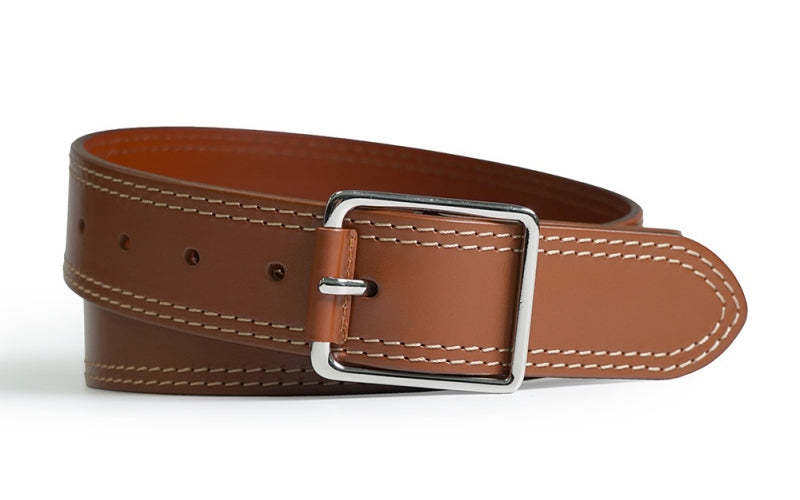
| Buffalo / bison | $4–$10 | $80–$200 | 8–15+ years |
| Elephant leather | $15–$30 | $150–$400 | 10–20 years |
| Crocodile / alligator | $25–$80 | $200–$800+ | 15–25 years |
Buffalo is the Goldilocks zone. Tougher than cowhide. Way more affordable than exotic leather. And it doesn't require a second mortgage.
According to Von Baer's leather guide, buffalo leather offers better durability per dollar than nearly any other mainstream leather type. The only leathers that genuinely outperform it in longevity are exotic skins — and those start at three to five times the price.

Why Does Buffalo Leather Cost More Than Cowhide?
Three factors: scarcity, thickness, and processing time. Cows outnumber buffalo globally by roughly 10 to 1. Buffalo hides are thicker and harder to tan. And the entire supply chain — from ranch to tannery to finished product — involves fewer players, less automation, and more handwork.
The US cattle inventory hit a 75-year low in 2025 at 86.2 million head — the smallest herd since 1951. American bison numbers are a fraction of that. Fewer animals means less leather. Less leather means higher prices. It's basic supply and demand, except the supply side has been shrinking for seven consecutive years.
Buffalo hide is also up to three times thicker than cowhide in its epidermal layer. Thicker leather takes longer to soak, tan, and finish. According to MAHI Leather, buffalo hides are not stretched during the tanning process, which preserves their natural strength but adds time and cost to production. A cowhide tannery can push through more units per day. Physics doesn't negotiate.
Still, the premium is modest. You're paying maybe 20–30% more for buffalo over quality cowhide. That's a lot less dramatic than the sticker price on finished goods would suggest. Which brings us to the real culprit.

The Markup Problem: Where the Price Really Inflates
The raw material difference between a buffalo belt and a cowhide belt is maybe $6 to $15. So why does the retail price gap sometimes balloon to $50, $100, or more? Markup. Retail margin. Brand Tax. The usual suspects.
A traditional retail brand typically marks up leather goods 3x to 5x over wholesale cost. Luxury labels push that to 8x to 12x. So a belt that cost $35 to produce — leather, labor, hardware — shows up in a department store at $150 to $300. The buffalo leather is expensive. The belt? That's inflated.
Add US import tariffs — which have pushed leather goods prices up 36% in the short term — and the problem compounds. CNBC projects another 22% price increase over the next two years as tariffs, global bottlenecks, and the shrinking cattle herd ripple through supply chains.
This is exactly why DTC (direct-to-consumer) brands exist. Cut out the department store. Cut out the distributor. Cut out the brand ambassador's Maldives vacation. Deliver the same leather, same craftsmanship, at a fair price. At BELTLEY, we keep our markup at 1.5x to 2.5x production cost — not because we're running a charity, but because a 10x markup on a leather belt is ridiculous and everybody knows it.
Is Buffalo Leather Worth the Extra Cost Over Cowhide?
Dollar for dollar, yes — if durability matters to you. Buffalo leather lasts roughly two to three times longer than standard cowhide. A full-grain cowhide belt gives you five to ten good years. A buffalo belt can push 10 to 15 years or more before showing signs of fatigue.
Let's do the math nobody wants to do:
- $50 cowhide belt lasting 5 years = $10/year
- $120 buffalo belt lasting 12 years = $10/year
- $90 DTC buffalo belt lasting 12 years = $7.50/year
Same annual cost — or less — for a tougher, better-aging product. The buffalo belt also develops a rugged matte patina over time rather than the glossy wear pattern of cowhide. Some people prefer that. Others don't. Neither side is wrong.
If you want to compare options hands-on, our cow leather belt vs. buffalo leather belt guide breaks down texture, aging, stiffness, and practical differences with photos.
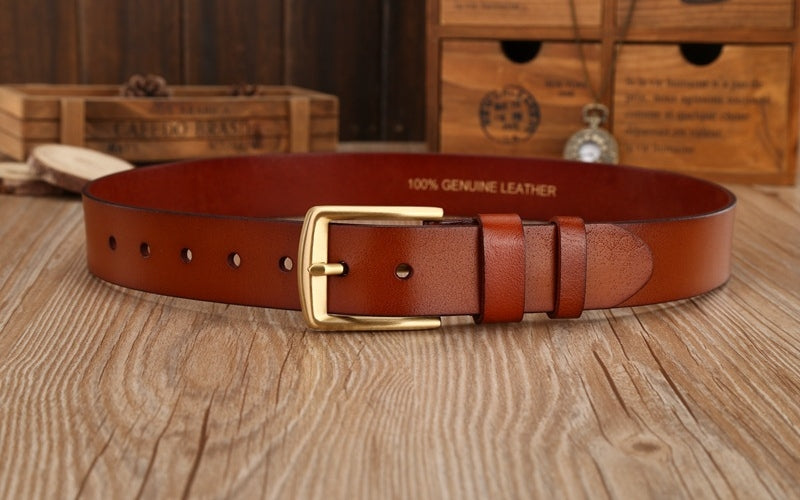
And if you want the buffalo experience at a DTC price point, BELTLEY's rugged bison-texture belt is built for exactly that.

How to Spot a Fair Price on Buffalo Leather Goods
Not every expensive buffalo product is worth its price. And not every cheap one is a scam. Here's how to tell the difference:
- Under $50 for a "buffalo" belt? Probably bonded leather or corrected-grain cowhide with a marketing costume. Real buffalo leather costs more than that in raw materials alone.
- $80–$150 from a DTC brand? Sweet spot. This is fair pricing for genuine full-grain buffalo with quality hardware and construction.
- $200–$300+ from a luxury retailer? You might be paying for the label. Check the leather grade and construction details before assuming the premium is justified.
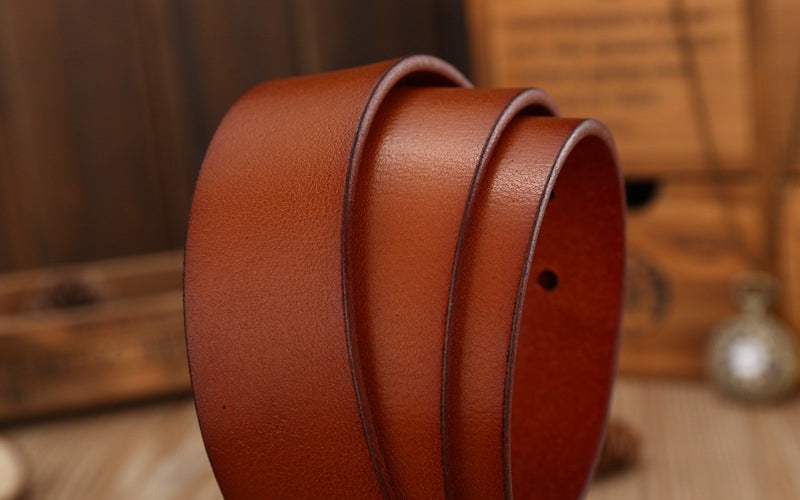
- Check the grain. Real buffalo leather has irregular, pronounced texture. If it looks perfectly smooth and uniform, it's not buffalo — or it's been heavily corrected.
- Ask about tanning. Vegetable-tanned buffalo is pricier but ages better. Chrome-tanned is cheaper and faster. Neither is inherently bad — just know what you're getting.
For more on evaluating leather quality, our guide on how to choose a good leather belt walks through the full checklist.
The Bottom Line
Is buffalo leather expensive in America? Compared to cowhide, slightly. Compared to exotic leather, it's a bargain. Compared to the synthetic junk hanging on fast-fashion racks, it's a different universe entirely.
The raw material premium is modest — roughly 20–30% over cowhide per square foot. Most of the price inflation you see on finished products comes from retail markup, tariffs, and brand positioning, not from the leather itself. The smart move is buying buffalo from a DTC brand that keeps the margin honest and lets the material speak for itself.
BELTLEY's men's belt collection includes buffalo-texture and full-grain options — all handcrafted, all backed by a 10-year warranty, all shipped free worldwide. Because the leather should be premium. The price shouldn't require a loan.
Frequently Asked Questions
Q: How much does a buffalo leather belt cost in America?
A genuine full-grain buffalo leather belt in the US typically runs $80 to $200 from reputable brands. DTC brands like BELTLEY offer quality options in the $80–$150 range by eliminating retail middlemen. Anything under $50 labeled "buffalo" is likely corrected-grain or bonded leather.
Q: Is buffalo leather more expensive than cowhide?
Yes, but only by about 10–30%. The raw material costs $4–$10 per square foot versus $3–$7 for cowhide. The bigger price difference in finished products comes from brand markup and retail distribution, not the leather itself.
Q: Is American bison leather more expensive than water buffalo?
Generally yes. American bison herds are much smaller, and only a few US tanneries process bison hides. Water buffalo hides from Southeast Asia are more abundant but carry import shipping and tariff costs. Both end up in a similar retail price range for finished goods.
Q: Why are buffalo leather goods getting more expensive in 2025–2026?
US leather tariffs have pushed consumer prices up 36% short-term, with analysts projecting another 22% increase over the next two years. The US cattle herd is at its smallest since 1951, reducing overall hide supply and driving costs higher across all leather types.
Q: Is buffalo leather a good value for money?
Excellent value. Buffalo leather lasts two to three times longer than standard cowhide, which brings the annual cost of ownership down to the same level — or lower. It also develops a distinctive patina that improves with age rather than deteriorating.
Q: What's the cheapest way to buy quality buffalo leather goods?
Buy from DTC (direct-to-consumer) brands that manufacture in-house or work directly with tanneries. These brands typically mark up 1.5x to 2.5x over production cost, versus 3x to 12x at traditional retail. You get the same leather and craftsmanship without funding someone else's overhead.