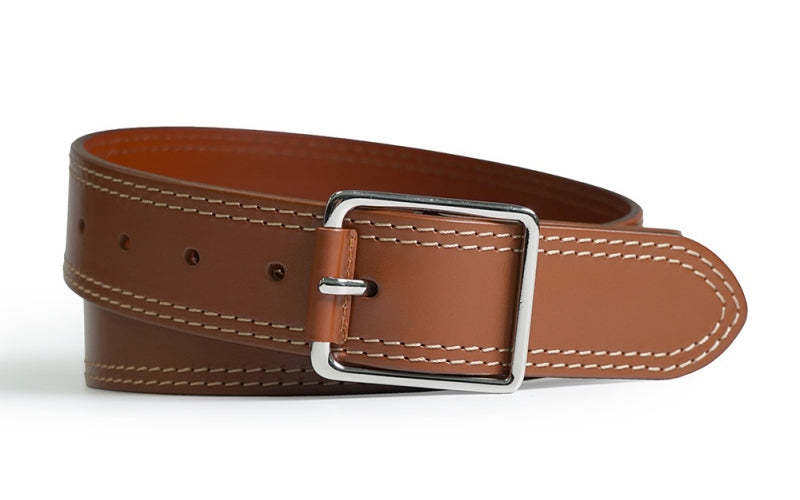
Why Is a Buffalo Leather Belt So Expensive in the US? (Quick Answer)
TL;DR: Quick Answer
- Buffalo hides are scarcer than cowhide (roughly 10:1 ratio), which drives raw material costs up before anything else happens
- The leather is thicker, harder to tan, and requires more skilled labor — all of which cost real money
- US tariffs, import fees, and retail markups can inflate a buffalo leather belt's price by 3x to 8x over production cost
- DTC brands cut out the middlemen and offer the same quality at a fraction of the retail price
You found a gorgeous buffalo leather belt online. You loved the texture. You loved the color. Then you saw the price tag and quietly closed the tab. Sound familiar?
A quality buffalo leather belt in the US typically runs $80 to $300+. That's two to five times what a basic cowhide belt costs. The sticker shock is real. But the price isn't random. Every dollar traces back to something specific — the hide, the tanning, the labor, the shipping, or the brand name stitched inside. Let's break down exactly where your money goes.

How Much Does Buffalo Leather Actually Cost as Raw Material?
Raw buffalo or bison leather sells for roughly $25 to $35 per square foot in the US — two to three times the cost of standard cowhide. The reason is simple math: there are far fewer buffalo than cows, and each hide requires more processing time due to its thickness.
According to Stridewise on bison leather, American bison leather retails around $35 per square foot for craft-grade hides. Cowhide? You can find decent sides for $8 to $15 per square foot. That gap is baked into the final product before a single stitch is sewn.
A single belt uses roughly 1.5 to 2.5 square feet of leather, depending on width and length. So the raw material cost alone for a buffalo belt is $40 to $85. For cowhide, it's $12 to $35. The buffalo belt is already more expensive — and nobody has touched a sewing machine yet.
The International Leather Club notes that buffalo hides also have more natural imperfections — scars, insect bites, and uneven grain — which means more waste per hide. You're paying for the usable portions, not just the total square footage.

The Scarcity Problem: Fewer Buffalo, Higher Prices
Cows outnumber buffalo roughly 10 to 1 globally. In the United States specifically, the USDA estimates the cattle herd is at its smallest point since the 1950s. Buffalo and bison herds are even smaller. Fewer animals means fewer hides. Fewer hides means higher demand per hide. Economics 101. Not fun, but accurate.
American bison are primarily raised for meat. Leather is a byproduct. That sounds like it should make hides cheap, right? Nope. The processing infrastructure for bison hides is tiny compared to the cowhide industry. Only a handful of US tanneries specialize in bison — places like Newbury Leathers operate as "made-to-order" tanneries, producing small batches for premium brands.
Water buffalo hides, meanwhile, come mainly from Southeast Asia — India, Thailand, Pakistan. They're more abundant than American bison. But importing them adds shipping costs, customs fees, and weeks of transit time. Either way, you're paying for scarcity or logistics. Pick your poison.

Why Is Tanning Buffalo Leather So Expensive?
Buffalo leather is significantly thicker than cowhide — up to three times thicker in its epidermal layer. That thickness means longer soak times, more tanning chemicals or natural agents, and heavier equipment to handle the hides. The whole process takes longer. And in manufacturing, time is money.
MAHI Leather explains that buffalo hides are not stretched during tanning, unlike most cowhide. Stretching is a shortcut. It thins the leather, makes it more pliable, and speeds up production. Skipping that step preserves the hide's natural strength but doubles the processing time and cost.
Vegetable tanning — the traditional method using plant-based tannins from oak bark, sumac, or mimosa — takes weeks per batch. Chrome tanning is faster (days instead of weeks) but produces a different texture. Either way, buffalo hides chew through more resources per unit than cowhide. A tannery processing buffalo leather is working harder for the same number of finished hides. That shows up on the invoice.
If you're curious how different tanning methods affect belt quality, our guide on what type of leather is best for belts covers the details.

The Labor Factor: Thick Leather Needs Skilled Hands
Cutting buffalo leather requires heavier tools. Stitching it demands stronger needles and slower machines. Finishing it — burnishing edges, setting hardware, punching holes — takes more time because the material fights back. Buffalo leather doesn't cooperate quietly. It's the toddler of the leather world.
In the US, skilled leather work commands premium wages. According to Hoplok Leather's cost breakdown, labor is one of the biggest drivers of belt pricing in domestic production. A "Made in USA" buffalo belt might spend 30 to 60 minutes in an artisan's hands. A mass-produced cowhide belt from overseas? Maybe five minutes on a production line.
That labor gap is real. And it's why a handmade buffalo belt from a small American workshop costs $150+ while a factory-made cowhide belt costs $25. You're not just buying leather. You're buying someone's afternoon.
For context, US manufacturing labor costs are roughly five times higher than in major leather-producing countries like India, China, and Pakistan. Same belt, same leather, dramatically different price tag depending on where the hands are.

Tariffs, Import Duties, and the 2025 Squeeze
Here's where things get spicy. And by spicy, we mean expensive.
The US has imposed significant tariffs on imported leather goods in recent years. CNBC reported that leather goods prices could climb roughly 22% over the next two years as tariffs, global supply bottlenecks, and a shrinking US cattle herd ripple through supply chains. The Reed Sportswear analysis found that consumers already face 36% higher short-term prices on imported leather.
For buffalo leather specifically, the math stacks up fast:
- Base tariff on bovine/buffalo leather (HTS 4107.11.60): 3.3%
- Reciprocal tariffs (2025): fluctuated between 10% and 34%
- Scheduled increase (Jan 2026): additional 5.9%
- Finished goods tariffs: stacked on top
If your buffalo belt starts as an imported hide, gets tanned domestically, and then sold through a traditional retailer — congratulations, tariffs have touched your belt at multiple checkpoints. Each one adds a few percentage points. They compound.
This is also why DTC brands are gaining traction. Fewer stops in the supply chain means fewer tariff touch points.
The Brand Markup: Where Most of Your Money Actually Goes
Here's the part that might sting. The leather, tanning, and labor might account for 30–40% of a buffalo belt's retail price. The rest? Marketing, retail overhead, and brand markup.
According to Shopify's wholesale pricing guide, luxury fashion brands typically mark up products 8x to 12x over production cost. Even mainstream brands use a 3x to 5x multiplier. A belt that costs $40 to produce can retail for $120 to $480 depending on whose name is on the box.
An Alibaba market analysis put it bluntly: once you exceed the $150 threshold, you're typically no longer paying for better leather or stronger hardware. You're paying for the logo, the marketing campaign, and the rent on a flagship store in SoHo.
This is what BELTLEY calls the Brand Tax — and it's the reason we built a DTC model. No department store margins. No distributor fees. No brand ambassador's yacht payment baked into your belt's price. Just the leather, the craftsmanship, and a fair markup to keep the lights on. Our full-grain leather belts and rugged buffalo-texture belts reflect that philosophy.
If you're curious how much a leather belt should cost at each quality tier, we have a full breakdown in how much should a leather belt cost.

Full Cost Breakdown: Where Your Dollar Goes
Here's a simplified look at the cost anatomy of a $200 buffalo leather belt sold through traditional retail in the US:
| Cost Component | Estimated % | Estimated $ |
|---|---|---|
| Raw hide | 10–15% | $20–$30 |
| Tanning & processing | 8–12% | $16–$24 |
| Labor (cutting, stitching, finishing) | 10–15% | $20–$30 |
| Hardware (buckle, rivets) | 3–5% | $6–$10 |
| Shipping & tariffs | 5–10% | $10–$20 |
| Brand marketing | 15–25% | $30–$50 |
| Retail/distributor margin | 25–35% | $50–$70 |
Notice that the actual belt — leather, labor, hardware — accounts for maybe $80. The other $120 is the supply chain doing push-ups. A DTC brand can deliver that same $80 belt for $100–$130 by eliminating the bottom two rows.
The Bottom Line
A buffalo leather belt is expensive in the US because every step costs more — the hide is scarcer, the tanning takes longer, the labor requires real skill, and the tariff environment keeps squeezing imported goods tighter. Add a traditional retail markup on top, and a belt that cost $40 to produce is suddenly $200 on a store shelf.
But here's the thing: the material genuinely justifies a premium. Buffalo leather is thicker, tougher, and outlasts standard cowhide by years. The trick is making sure your money goes toward the leather and craftsmanship — not toward someone else's marketing budget.
At BELTLEY, we skip the middlemen, skip the Brand Tax, and put the savings back into the product. Every belt ships free worldwide, comes with a 10-year warranty, and includes 30-day hassle-free returns. Browse the men's belt collection and see what fair pricing on quality leather actually looks like.

Frequently Asked Questions
Q: How much should a good buffalo leather belt cost?
A quality buffalo leather belt typically ranges from $80 to $180 from a DTC brand, and $150 to $300+ from traditional retail. The price depends on whether it's American bison or water buffalo, the tanning method, and how many middlemen touched it before it reached you.
Q: Is buffalo leather worth the extra cost over cowhide?
For durability, yes. Buffalo leather has roughly 40% more tensile strength than cowhide and doesn't stretch or warp as easily. If you want a belt that lasts 10+ years and develops a rugged patina, the premium is justified. For dress belts, quality full-grain cowhide delivers similar longevity.
Q: Why is American bison leather more expensive than water buffalo?
American bison herds are smaller, and only a handful of US tanneries process bison hides. Water buffalo leather is more abundant globally but requires import shipping and tariffs. Bison commands a higher price due to domestic scarcity and "Made in USA" positioning.
Q: Will buffalo leather belt prices go up in 2026?
Likely yes. CNBC analysts project leather goods prices could climb roughly 22% over the next two years due to tariff increases, supply chain constraints, and a shrinking US cattle herd. A scheduled 5.9% tariff increase on bovine leather takes effect in January 2026.
Q: What's the difference between "Brand Tax" and fair pricing?
Brand Tax refers to the markup luxury brands add for their logo, marketing, and retail overhead — often 8x to 12x production cost. Fair DTC pricing typically runs 1.5x to 2.5x production cost, passing the savings from eliminated middlemen directly to the buyer.
Q: How can I tell if a buffalo leather belt is worth its price?
Check three things: leather grade (full-grain is best), construction method (hand-stitched or heavy-duty machine), and hardware quality (solid brass or stainless steel, not plated zinc). If the brand can't tell you where the hide was sourced or how it was tanned, the price probably isn't justified.
,%20which%20drives%20raw%20material%20costs%20up%20before%20anything%20else%20happens%0AThe%20leather%20is%20thicker,%20harder%20to%20tan,%20and%20req...)