European vs American Belt Brands: Which Delivers More for Your Money?
TL;DR:
- European belt brands (Hermès, Gucci, Ferragamo) lead on heritage prestige, vegetable-tanned leather, and refined aesthetics — but price in a significant "Brand Tax."
- True American-made belt brands emphasize rugged full-grain durability and honest construction, though most mass-market "American" brands have quietly outsourced production overseas.
- The strongest value proposition today comes from DTC artisan brands that combine exotic leather craftsmanship with fair, transparent pricing — no matter where the label says they're from.
The question sounds simple: European or American? But once you start pulling at the threads — tanning traditions, manufacturing realities, pricing structures, and what you're actually paying for — it gets more interesting fast. This guide breaks down exactly how European and American belt brands differ, which names are genuinely worth their price, and how to find real quality without paying for a logo.
Which Tradition Should Get Your Money?
Continent is a proxy — here's the real decision:
| Your situation | Go with |
|---|---|
| Heritage prestige, refined dress belts | European houses — Hermès, Ferragamo — accepting the Brand Tax as part of the purchase. |
| Rugged everyday durability | True American-made full-grain — verify "made in USA" actually means made, not assembled. |
| Best materials per dollar, no tax | DTC artisan brands — exotic leather at $118–$289 that either tradition would retail at 3–5x. |
| Just want one great belt | Ignore geography; insist on full-grain, solid hardware, and a real warranty (BELTLEY's is 10 years). |
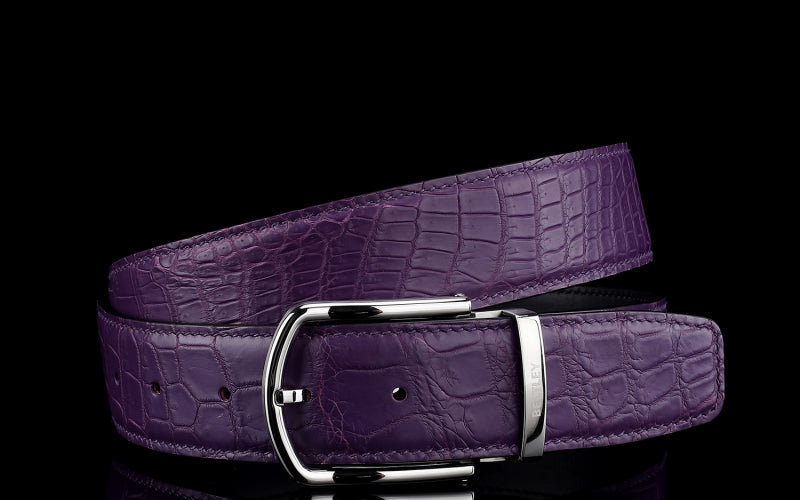
The third option in the fight: BELTLEY's exotic collection.
What Makes European Belt Brands Different?
European belt brands are defined by centuries of artisan tanning traditions, particularly in Italy's Tuscan region, where vegetable tanning with organic tannins has been practiced since the 13th century. The result is leather that develops a rich patina over decades — not a product that cracks within two years. European brands also benefit from strict EU environmental and labor standards that enforce consistency in both material sourcing and production.

The Conceria Walpier tannery in Tuscany, for example, produces the "Buttero" vegetable-tanned calfskin used by craft belt makers worldwide — leather that requires 30–60 days of processing compared to the 24-hour chrome-tanning methods common in fast-fashion supply chains. That slow process is what separates a belt that ages beautifully from one that ages badly.
Beyond leather, European luxury houses like Hermès and Gucci have institutionalized hand-stitching, edge-burnishing, and hardware fitting as genuine quality checkpoints — not just marketing language. Their artisan training programs can run 18–24 months before a craftsperson is cleared to work on finished goods.
That said, European prestige comes at a cost. EU environmental directives on water treatment and VOC emissions push wholesale production costs significantly higher, and luxury conglomerates — LVMH, Kering, Richemont — layer in marketing budgets and distribution margins that can double the final retail price. A Hermès belt retailing at $800–$1,200 contains roughly $150–$200 in materials. You can read more about this dynamic in our breakdown of why designer belts are so expensive.
The Legacy of American Belt Craftsmanship
American belt-making has a different story — one rooted in function before form. Saddlery traditions from the 19th century produced thick, no-nonsense bridle leather straps built to last in real working conditions. The emphasis was on structural integrity: solid brass hardware, double-stitched edges, full-grain hides that could take a decade of daily use.
That tradition survives today in a small number of dedicated American makers — brands like Tanner Goods (Portland), Orion Leather (Nevada), and Torino Leather Company, which has documented its manufacturing process in detail. These companies use U.S.-sourced full-grain leather, hand-cut straps, and solid-brass or stainless steel hardware with no shortcuts.
The problem is that the majority of brands marketed as "American" no longer manufacture in America. Coach, for example, was founded in a Manhattan loft in 1941 but today produces most of its leather goods in Asia. Shinola positions itself as a Detroit brand but outsources leather cutting and stitching. This isn't inherently a quality failure — skilled manufacturing exists globally — but it means "American brand" and "American-made" are two very different claims. If origin matters to you, look for explicit "Made in USA" declarations on the product itself, not just the brand identity.
Which Belt Brands Are Actually European?
The most recognized European belt brands are headquartered in France, Italy, and the UK, with production centered in Italy's leather districts.

True European luxury houses with in-house leather production:
| Brand | Country | Heritage | Signature Belt Range |
|---|---|---|---|
| Hermès | France | Est. 1837 | H buckle, Kelly, Constance ($800–$1,500+) |
| Gucci | Italy | Est. 1921 | GG Marmont, Interlocking G ($350–$600) |
| Salvatore Ferragamo | Italy | Est. 1927 | Gancini ($250–$450) |
| Bottega Veneta | Italy | Est. 1966 | Intrecciato woven leather ($450–$900) |
| Burberry | UK | Est. 1856 | Check trim, smooth calfskin ($350–$650) |
| Anderson's | UK/Italy | Est. 1945 | Woven bridle leather ($80–$200) |
Hermès represents the ceiling of European belt quality — its leather is sourced from its own tanneries, buckles are cast and finished in-house, and pieces are individually stamped with craftsperson codes. Our post on why Hermès belts are so expensive covers the full pricing anatomy. Gucci and Ferragamo sit a tier below in price but maintain genuine Italian leather production backed by the Consorzio Vera Pelle Italiana Conciata al Vegetale, Italy's vegetable-tanning certification body.
For buyers who want European leather quality without European luxury-house pricing, Anderson's woven leather belts offer excellent Parma craftsmanship at accessible price points — a real outlier in the European brand landscape.
Is Italian Leather Better Than American Leather for Belts?
Italian leather is the global benchmark for premium belt leather. Full-grain Italian hides — especially vegetable-tanned calfskin and bison from Tuscan tanneries — age better, feel more supple, and develop a deeper patina than most comparable American-sourced hides. This is largely a function of tanning tradition: research comparing Italian and American leather consistently shows that slow vegetable tanning produces leather with higher tensile strength and more nuanced surface character.

However, "Italian leather" is one of the most abused terms in retail. A belt can be labeled "Italian leather" if it uses Italian full-grain hides anywhere in the production chain — even if cut and stitched in a Chinese factory. True Italian craftsmanship means both the material and the labor originate in Italy's leather districts.
American full-grain leather — particularly bridle leather and vegetable-tanned Horween shell cordovan from Chicago — is genuinely excellent. Horween is one of the last remaining traditional American tanneries, and shell cordovan belt straps are among the most durable you can buy. The issue is scarcity and cost: authentic American-tanned full-grain hides at this level are expensive and used by a small number of specialty makers.
The practical answer: if you're comparing a mid-range American brand using top-grain leather against a genuine Italian full-grain belt, Italy wins on material quality. But compare a Horween bridle leather strap against an Italian chrome-tanned belt, and the American option often holds its own. Material grade matters more than country of origin. Learn more about grading in our guide to full-grain vs genuine leather.
European vs American Belt Brands: How Do Prices Compare?
Price differences between European and American belt brands reflect both genuine cost differences and brand premium markup.
| Tier | European Examples | Price Range | American Examples | Price Range |
|---|---|---|---|---|
| Entry | Levi's EU (marketed as EU) | $30–$70 | Levi's, Columbia | $25–$60 |
| Mid-range | Anderson's, Massimo Dutti | $80–$200 | Orion Leather, American Bench Craft | $80–$180 |
| Premium | Ferragamo, Burberry | $250–$650 | Torino Leather, Tanner Goods | $120–$250 |
| Luxury | Hermès, Bottega Veneta | $800–$1,500+ | RRL (Ralph Lauren), Billy Tannery | $300–$600 |
The pricing gap widens dramatically at the luxury tier. European luxury houses can charge $800+ for belts that cost a fraction of that to produce because they're selling heritage, not just hardware. That's not necessarily dishonest — brand equity has real value — but it means the marginal quality jump from a $300 belt to an $800 one is rarely proportional to the price gap.
This is why the DTC model has disrupted both traditions. Brands that sell directly to consumers can source the same Tuscan full-grain hides, use the same stainless steel hardware, and price fairly without building in the retail channel markup, LVMH royalties, or Madison Avenue rent.
Which Tradition Actually Makes Better Belts?
Neither European nor American tradition produces universally superior belts — the quality depends on specific brands, materials, and construction methods within each tradition. European brands hold the lead in fine dress belts and luxury leather goods where aesthetic refinement, patina development, and brand heritage matter. American brands lead in rugged utility belts, bridle leather work straps, and everyday durability where structural integrity outranks elegance.

What matters more than geography is a short checklist:
- Leather grade: Full-grain > top-grain > genuine leather, regardless of country
- Tanning method: Vegetable-tanned develops a patina; chrome-tanned is more water-resistant but less characterful
- Hardware: Solid brass or stainless steel outperforms zinc alloy — check the magnet test
- Construction: Hand-stitched with waxed linen thread outlasts machine-stitched poly
- Transparency: Can you trace the leather origin and the production location?
Our overview of the top luxury belt brands in the world applies this framework across both traditions and names the brands that consistently hold up on all five points.
How BELTLEY Fits Into This Picture
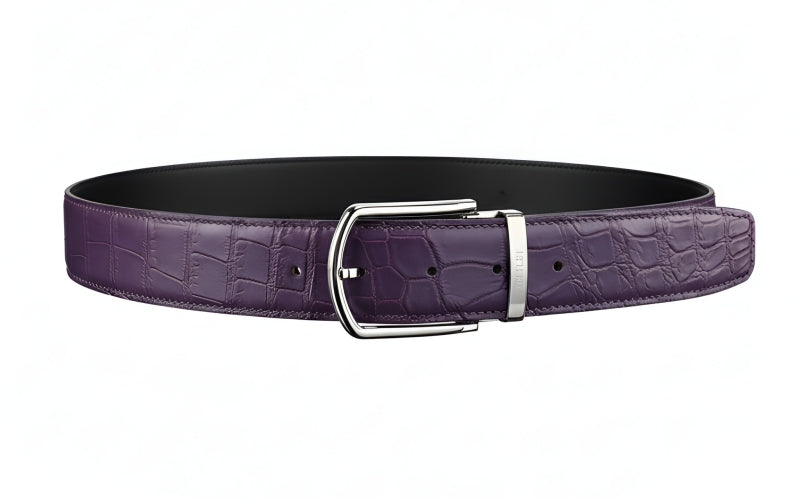
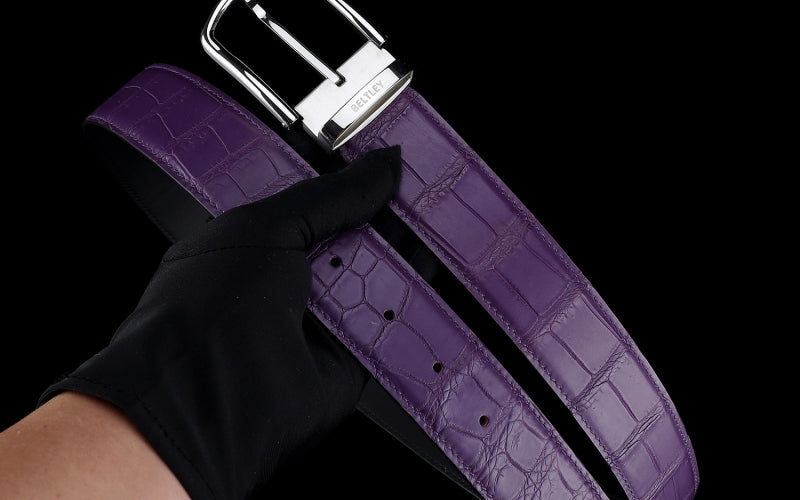
At BELTLEY, we don't subscribe to either tradition by brand loyalty — we take what works from both. Our exotic leather belts — crocodile, alligator, elephant, python — are handcrafted by specialist artisans in small batches. The leathers are sourced from CITES-compliant suppliers. The buckles are stainless steel surgical-grade stainless steel or solid brass, finished to the same standard you'd find in European luxury goods.

The difference is the pricing structure. We're a DTC brand — no middlemen, no conglomerate markup, no Brand Tax. A crocodile belt from a European luxury house at $1,200 covers about $200 in materials and $1,000 in brand, distribution, and margin. Our equivalent sits at $118–$289 and backs every purchase with a 10-year warranty on materials and construction. That warranty isn't marketing language — it's a commitment we can make because we control the entire supply chain.
For buyers who want the craftsmanship standard of European fine goods without paying for a logo printed on a dust bag, our designer belt collection and full-grain leather belts are worth a look. Free worldwide shipping and 30-day hassle-free returns are standard on every order.
The Bottom Line
European belt brands win on legacy, aesthetic refinement, and the romance of centuries-old tanning traditions — but they charge handsomely for it, and not all of that premium reflects what's in the belt. American belt brands win on rugged durability and function-first construction when they're genuinely made in the USA — but the majority of mass-market American brands have quietly moved production overseas. The real question isn't which continent made your belt; it's whether the leather is full-grain, the hardware is solid, and the construction will hold up after ten years of daily wear.
Smart buyers apply the same framework regardless of the flag on the label: verify the leather grade, check the hardware, look for production transparency, and question whether the price reflects actual material and craft costs or accumulated brand mythology. If you want a starting point, explore BELTLEY's handmade belt collection — every piece lists its materials and construction method, so you can judge quality on substance, not story.
Frequently Asked Questions
Q: What are the top European belt brands for men?
The leading European belt brands for men are Hermès (France), Gucci, Salvatore Ferragamo, Bottega Veneta (all Italy), and Burberry (UK). At the accessible tier, Anderson's from England offers genuine Parma craftsmanship at $80–$200. For exotic leathers at DTC prices, BELTLEY's exotic leather belt collection bridges the quality gap without the luxury-house markup.
Q: Are American-made leather belts better than European belts?
Not categorically. Genuine American-made belts using Horween bridle leather or vegetable-tanned full-grain hides can match or exceed European chrome-tanned alternatives. But most brands marketed as "American" manufacture overseas. The label "Made in USA" on the product itself — not just the brand's origin story — is the only reliable indicator of domestic production.
Q: Is Italian leather actually better for belts?
Italian leather — specifically vegetable-tanned calfskin from Tuscan tanneries — is broadly considered the global standard for premium belt leather. It develops superior patina, lasts longer, and has higher tensile strength than most chrome-tanned alternatives. That said, "Italian leather" as a marketing term is frequently misused; authentic Italian craftsmanship means both the hide and the labor come from Italy's leather districts.
Q: Which belt brand holds its value best: European or American?
Hermès belts hold resale value better than almost any other belt brand globally — some limited buckle styles appreciate over time. Outside of Hermès, most belts (European or American) depreciate significantly from retail. For value retention, prioritize material quality and construction over brand prestige: a full-grain leather belt with solid hardware that lasts 20 years delivers better total value than a logo belt that wears out in three.
Q: Can I get European-quality craftsmanship without the European luxury price?
Yes. DTC brands that source full-grain exotic leathers, use stainless or solid brass hardware, and sell directly to consumers offer comparable material and construction standards at significantly lower price points — because you're not funding retail channels, celebrity ambassadors, or conglomerate margins. BELTLEY's full-grain leather belts start at $58 and come with a 10-year warranty. See our guide on whether Italian leather belts are worth it for a full breakdown.
%20lead%20on%20heritage%20prestige,%20vegetable-tanned%20leather,%20and%20refined%20aesthetics%20%E2%80%94%20but%20price%20in%20a%20significant%20%22Brand%20Tax.%22%0ATrue%20American-made%20belt...)