Are Designer Belts Professional For Men? (Answered By BELTELY)
TL;DR: Quick Answer
- Designer belts can be professional for men — but it depends entirely on the design, not the brand. A subtle Ferragamo Gancini buckle in a conservative office? Perfectly fine. A gold Versace Medusa head in a law firm? Career-limiting.
- The rule: the belt should complement the outfit, not compete with it. In professional settings, a belt that whispers quality outperforms one that shouts brand name.
- For most offices, a clean leather belt with a minimal buckle in brushed metal is the safest and sharpest choice — designer or not.

Are designer belts professional for men? The question comes up every time a man considers wearing a Gucci GG, a Hermès H, or a Louis Vuitton monogram belt to the office.
The answer isn't a blanket yes or no — it's a matrix of design subtlety, industry norms, and seniority level that determines whether a designer belt reads as "polished professional" or "trying too hard."
A Wall Street Oasis forum discussion on this exact topic captured the professional consensus: subtle designer belts are acceptable in most offices, but oversized logos are a liability.
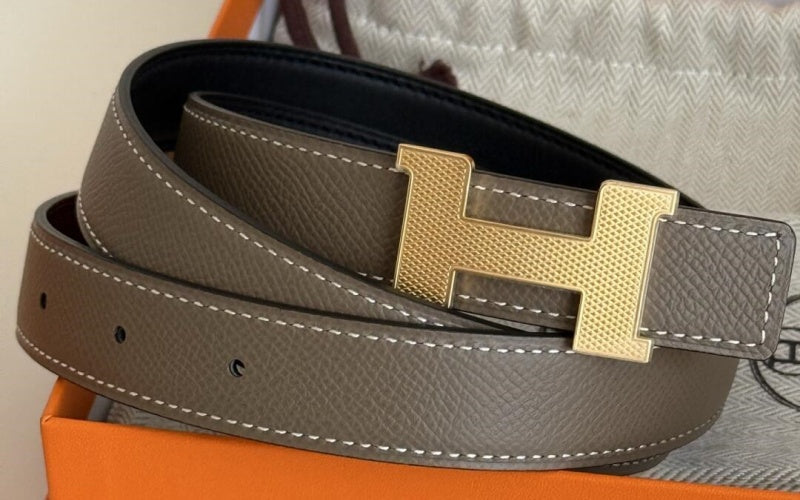
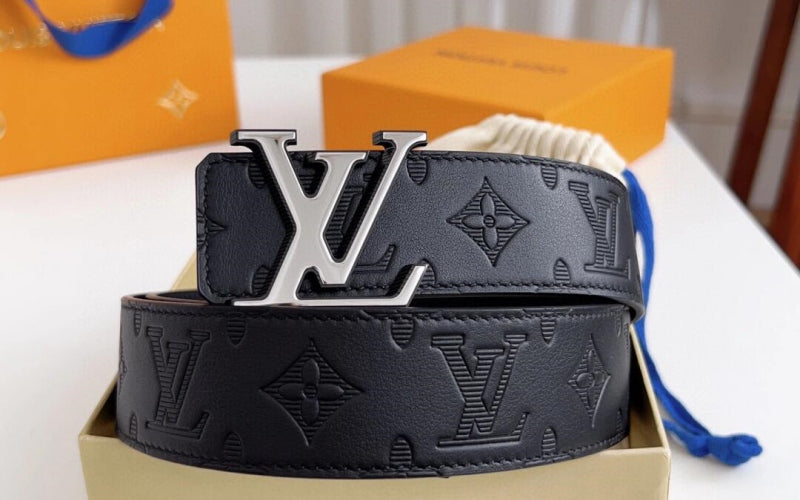
The thread's most upvoted advice: "an epi leather LV belt is nice and not flashy; avoid something with a golden H Hermès buckle." Here's a practical framework for navigating designer belts in professional settings — organized by industry, design, and the specific details that separate appropriate from risky.
For broader men's styling, see our guide on how to match a belt with your work outfit.

What Makes a Belt "Professional"?
A professional belt has three characteristics: narrow-to-standard width (1"-1.38"), smooth or fine-grained leather in black or dark brown, and a small, flat buckle in polished or brushed metal. The belt's job in a professional outfit is to disappear into the look — to hold the trousers and coordinate the metals without drawing independent attention.
According to Art of Manliness' complete belt guide, the dress belt rule is "small, plain, and polished." Nimble Made's belt-by-dress-code breakdown specifies that dress belts should be 1"-1.5" wide, with thinner widths reading as more formal.
A designer belt meets these professional standards only when the logo or branding is subtle enough to not override the belt's function as a quiet accessory. The moment the buckle becomes a conversation piece — "is that Gucci?" — it has crossed from professional accessory into fashion statement. That transition is fine in some industries. It's a problem in others.

Which Designer Belts Work in Professional Settings?
Not all designer belts carry the same professional risk. The key variable is logo visibility — how quickly and obviously someone can identify the brand from across a conference table.
Low-risk (professional in most offices):
- Salvatore Ferragamo Gancini — The interlocking Gancini buckle is recognizable to fashion-aware people but reads as a clean, elegant metal buckle to everyone else. It's the most commonly cited "safe" designer belt for professional settings.
- Hermès H buckle (brushed palladium, 32mm) — In brushed finish and narrow width, the H buckle is subtle enough for most corporate environments. The polished gold-tone version is flashier and more polarizing.
- Bottega Veneta intrecciato — The woven leather texture is the signature, not a logo. It reads as quality craftsmanship rather than brand signaling.
Medium-risk (industry-dependent):
- Gucci GG buckle — The interlocking GG is widely recognizable. In creative industries, tech, and fashion, it's fine. In finance, law, and consulting, opinions split — some see it as confident, others as flashy.
- Louis Vuitton reversible — The monogram side is a fashion statement; the plain leather side works professionally. Wear the plain side to the office.
High-risk (avoid in conservative offices):
- Oversized logo buckles (Versace Medusa, MCM visetos, oversized GG)
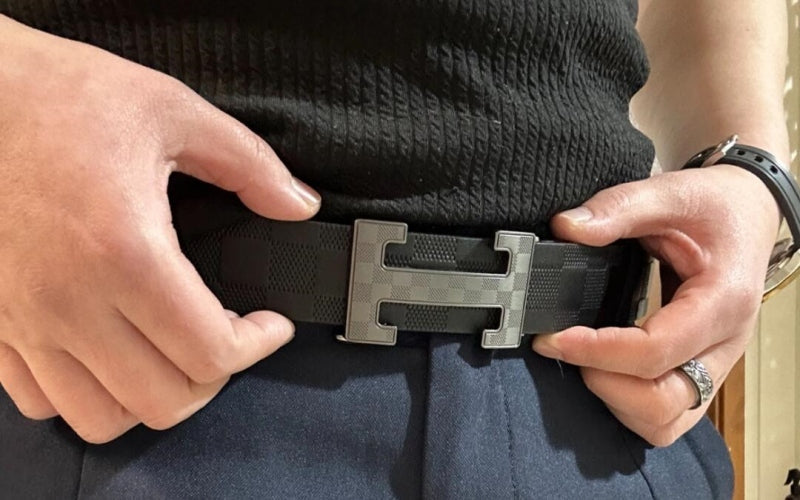
- Monogram-covered straps (all-over LV monogram, Burberry check)
- Statement or novelty buckles that draw attention regardless of brand
According to Buckle My Belt's belt etiquette guide, the professional test is simple: "if someone notices your belt before they notice your suit, it's too loud for the office."

The Industry-by-Industry Guide
Different industries enforce different dress code expectations — and designer belt tolerance varies accordingly.
| Industry | Designer Belt OK? | Best Approach | What to Avoid |
|---|---|---|---|
| Finance / Banking | Cautiously | Subtle buckle, no visible logos | Oversized logos, gold hardware, flashy branding |
| Law | Cautiously | Conservative leather, minimal metal | Any belt that draws attention to itself |
| Consulting | Moderately | Quiet designer or quality artisan | Bold statement buckles |
| Tech | Yes | Personal style accepted; quality matters more than brand | Formal dress belts with casual tech-wear |
| Creative / Media | Yes | Bold choices accepted, even encouraged | Cheap-looking designer knockoffs |
| Medicine | Cautiously | Clean, simple, durable | Flashy luxury in clinical settings |
| Government | Cautiously | Conservative, neutral, functional | Anything signaling personal wealth |
| Startups | Yes | Authenticity valued over formality | Over-dressing — quiet quality fits best |
FashionBeans' 2026 business professional guide reinforces that conservative industries (finance, law, government) still enforce the "accessories should be invisible" standard, while creative and tech industries reward personal expression — including visible designer pieces.
The seniority factor matters too. A junior associate wearing a Gucci belt to a law firm signals different things than a managing partner wearing one. Early-career professionals benefit from understated accessories that signal competence rather than consumption. Senior professionals have more latitude because their credibility is already established.

The Case for Quality Over Brand
Here's the insight that changes the entire equation: a well-made belt without a logo communicates professionalism more effectively than a designer belt in every professional context. A clean, full-grain leather belt with a brushed stainless steel buckle reads as "this person has taste and doesn't need to prove it" — which is exactly the message most professional men want to send.
According to Real Men Real Style's belt guide, the ideal professional belt is leather with a buckle that matches your other metal accessories (watch, cufflinks) in tone and finish. The brand on the belt is irrelevant — what matters is leather quality, buckle finish, and coordination with the rest of the outfit.
At BELTLEY, our dress belts are designed for exactly this context — 1.38" width in full-grain leather with a polished or brushed stainless steel buckle. No logos. No branding on the exterior. Just materials and craftsmanship that signal quality without signaling brand. The belt disappears into a professional outfit while doing its job perfectly.

The Professional Belt Checklist
Five specifications for a belt that works in any professional setting:
- Width: 1.25"-1.38" — Narrower reads more formal. Avoid anything wider than 1.5" with dress trousers.
- Leather: smooth or fine-grained, black or dark brown — Match to your shoe color. Suits Expert's belt guide says leather texture should match shoe leather texture for maximum cohesion.
- Buckle: small, flat, polished or brushed metal — Gold-tone with gold watch/cufflinks, silver-tone with silver. See our guide on matching your belt buckle to your watch.
- Branding: invisible or subtle — No exterior logos, monograms, or brand stampings visible when worn.
- Condition: clean and uncreased — A cracked, peeling, or warped belt undermines professionalism regardless of brand. Full-grain leather maintains its condition for years; bonded leather deteriorates within months.

The Bottom Line
Are designer belts professional for men? Some are — when the branding is subtle, the buckle is conservative, and the industry allows it. But in most professional contexts, a quality leather belt with a clean metal buckle and no visible branding outperforms any designer belt. It sends the right message without the risk.
Browse BELTLEY's dress belt collection and 1.38" professional-width belts — full-grain leather, solid hardware, no logos, 10-year warranty, free worldwide shipping, and 30-day hassle-free returns.

Frequently Asked Questions
Q: Can you wear a Gucci belt to a job interview?
It depends on the industry. For creative, media, or fashion roles — a subtle Gucci belt is fine and may signal cultural awareness. For finance, law, consulting, or government interviews — skip it. Interviewers in conservative fields may read an obvious designer belt as a misalignment with professional values. A clean, logo-free leather belt is the safest interview choice universally.
Q: Is a Hermès belt too flashy for the office?
The brushed palladium H buckle in 32mm width is subtle enough for most corporate environments — many people won't recognize it. The polished gold-tone H buckle in 42mm is significantly more visible and polarizing. If in doubt, choose the smaller, brushed version. For details on Hermès belt options, see our guide on whether Hermès belts are still in style in 2026.
Q: What belt should I wear with a suit to the office?
A 1.25"-1.38" smooth leather belt in black or dark brown with a polished metal buckle matching your watch tone. The belt should match your shoe color — black shoes with black belt, brown shoes with brown belt. This combination works in every professional setting without exception. Read our detailed guide on what is a formal belt for men.
Q: Do designer belts make you look more professional?
Not inherently. A well-maintained, high-quality leather belt with a clean buckle looks professional regardless of brand. A cheap designer belt with visible wear (peeling, scratched plating, cracked leather) looks less professional than a quality no-name belt in good condition. Quality and condition matter more than the brand name.
Q: Is it okay to wear a logo belt in business casual?
In business casual settings, small logo buckles (Ferragamo Gancini, subtle GG) are generally accepted. The more casual the dress code, the more latitude you have with branding. All-over monogram straps are still risky in most offices. The safest business-casual bet: a quality leather belt with a minimal buckle, designer or otherwise.