What Makes Horween Leather Special? A Complete Guide
TL;DR:
- Horween Leather Co. is a 120-year-old Chicago tannery — one of the last in the U.S. that processes hides from raw state to finished leather entirely in-house
- Their flagship Chromexcel leather takes 89 hand-done steps over 28 working days; shell cordovan takes a minimum of six months per batch
- Horween leather ages with a deliberate richness — patina deepens and character builds in ways industrially processed leather cannot match
Every serious leather goods buyer eventually encounters the name Horween. It appears on high-end belts, boots, wallets, watch straps, and NFL footballs — always as a signal of exceptional quality. But what makes Horween leather worth the premium over standard full-grain cowhide? The answer lies in 120 years of tanning tradition, proprietary processes, and a refusal to cut corners that borders on obsessive.
This guide covers what Horween leather is, how it's made, the main types you'll encounter, and why leather enthusiasts treat it as the American benchmark for quality.
What Is Horween Leather?
Horween leather is any leather produced by the Horween Leather Company, a Chicago tannery founded in 1905 and now in its fifth generation of family ownership. It's considered among the finest leather in the world — not due to marketing, but because Horween remains one of only a handful of American tanneries that processes raw, cured hides all the way to finished leather entirely under one roof.
Most modern tanneries buy pre-processed hides — called "wet blue" — already through the initial tanning stage, and simply do the finishing. Horween starts from scratch with raw hides, managing every chemical bath, oil stuffing, and finishing step themselves. That full-chain control is what lets them guarantee consistency batch after batch, decade after decade.
Horween Leather Company has been operating continuously since Isidore Horween, a Ukrainian immigrant, founded it on Chicago's Northwest Side. At peak, Chicago once had more than 40 tanneries. Horween is the last one standing. If you want to understand why what type of leather is best for belts matters beyond just "genuine" or "full-grain" labels, Horween's story is the clearest illustration of why tannery origin and process matter as much as hide grade.
A 120-Year Legacy: The Story Behind the Tannery
Horween was founded in 1905, initially producing leather for straight razor strops and engine components. Over the decades, the company became a supplier for premium goods brands — most famously, the NFL. Every official game ball has been made from Horween football leather since the 1940s.
According to Gear Patrol's inside look at the tannery, Horween occupies the same Chicago building it has for generations and still uses equipment that predates World War II alongside modern quality controls. That blend of old and new is intentional — some processes simply cannot be improved upon without compromising the result.
What distinguishes Horween institutionally is its philosophy: there is a right way to tan leather, and the right way is not always the fastest way. In an industry that has increasingly moved toward offshore, high-volume production, that stance has made Horween the benchmark by which other premium leathers are judged.
How Is Horween Leather Made?
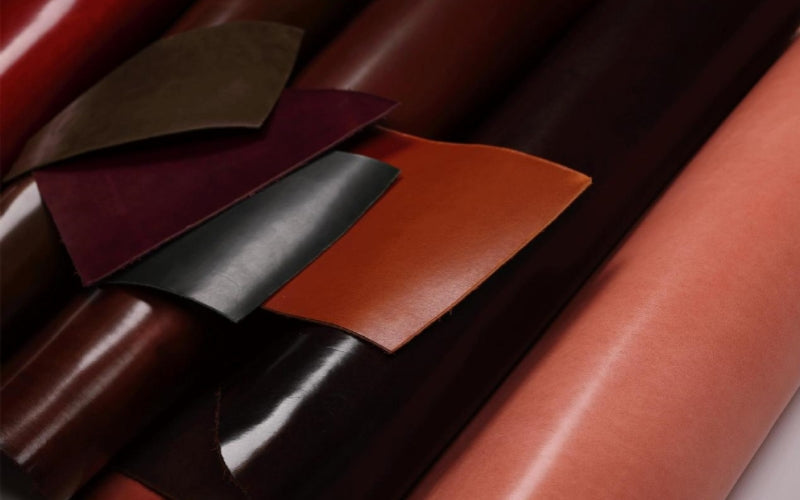
Horween makes leather through a slow, entirely in-house process beginning with raw, cured hides. Their flagship Chromexcel leather involves 89 separate hand-done steps performed over 28 working days — combining chrome tanning for a supple, stable base, vegetable re-tanning with bark extracts, and a final hot-stuffing with a proprietary blend of natural oils and greases.
This combination tanning method gives Chromexcel its distinctive character: softer and more pliable than pure veg-tanned leather, with better resistance to moisture, yet still capable of developing the organic patina and depth that no synthetic can replicate.
The "hot-stuffing" stage defines Chromexcel's unique behavior. Hides are literally stuffed with a warm proprietary oil-and-grease mixture that penetrates deep into the fiber structure. This creates the characteristic pull-up effect — when the leather flexes, stressed areas temporarily lighten in color before slowly returning to their original tone, revealing the layers of oil saturation within.
The official Horween Chromexcel process description on horween.com confirms the 89-step, 28-working-day timeline and the proprietary hot-stuffing formula.
Shell Cordovan's process is even more demanding. Cordovan is not cowhide — it's the fibrous flat muscle (the "shell") from the hindquarters of a horse. Each shell is individually tanned in gentle vegetable liquors, hand-curried, shaved to expose the shell membrane, dye-rubbed by hand for a deep aniline finish, and hand-glazed. The full process takes a minimum of six months per batch.
What Are the Main Types of Horween Leather?
Horween produces several distinct leathers, each with its own tanning method and end-use character:
| Leather | Base Tanning | Key Characteristic | Common Uses |
|---|---|---|---|
| Chromexcel | Chrome + veg re-tan + hot-stuffed | Pull-up, soft, water-resistant | Boots, belts, bags, wallets |
| Shell Cordovan | Vegetable (horsehide shell) | Mirror-smooth, extremely dense fiber | Dress shoes, fine belts, wallets |
| Dublin | Vegetable tanned cowhide | Matte, structured, firm | Classic boots, briefcases |
| Essex | Chrome tanned | Uniform, less pronounced pull-up | Casual goods |
| Football | Proprietary (tacky finish) | Non-slip, pebbled surface | NFL game balls |
For leather goods buyers, Chromexcel and Shell Cordovan are the two types most relevant to everyday carry items like belts and wallets. Our guide to the most iconic leather types for belts puts Horween's output in context alongside crocodile, alligator, elephant, and other premium hides.
Why Is Horween Leather So Expensive?
Horween leather commands premium prices because the company is one of only ~5 U.S. tanneries that processes hides from raw state to finished product entirely in-house, by hand. Labor-intensive multi-stage processes, proprietary natural oil formulas, made-to-order production with no bulk inventory, and six-month minimum cycles for shell cordovan all factor into the cost.
Three specific cost drivers stand out:
-
No pre-processed shortcuts. Where most tanneries start from wet-blue hides, Horween starts from raw. Every chemical bath, oil application, and finishing step is done on-site. More labor hours per hide means higher cost per square foot — full stop.
-
Proprietary ingredients. According to the Primer Magazine deep-look at Horween, the company still formulates its own tanning oils from natural sources — tree bark extracts and custom grease blends. These are not commodity inputs. The formulas are trade secrets held across five generations.
-
Made-to-order production. Horween doesn't stockpile finished leather inventory. Orders drive production runs. No oversupply discounts. No rush-production corners cut.
The downstream effect: a belt made from Horween Chromexcel costs meaningfully more than one made from commodity full-grain cowhide of identical dimensions. Most people who've handled Horween leather firsthand agree the premium is justified. For a broader look at what drives quality leather pricing, our post on are full-grain leather belts worth it covers the full picture across grades and tannery tiers.
Does Horween Leather Develop Patina Over Time?
Yes — Horween leather is designed to age. The hot-stuffing process with natural oils creates the pull-up effect in Chromexcel, where flexed areas lighten and then return to tone, while the overall hide darkens and deepens with daily contact and light exposure. Shell Cordovan develops a mirror-like gloss over years of use. Both forms of aging are deliberate, not deterioration.
Patina in leather is a soft sheen and color deepening caused by handling, the natural oils from your skin, light exposure, and time. In commodity leather, patina often means uneven fading or surface cracking. In Horween, it means the leather is doing exactly what it was designed to do — becoming richer and more personal.
According to Stitchdown's long-term aging documentation of Horween Chromexcel, Natural Chromexcel develops dramatically in its first two to three years, with a honey-tan base deepening toward amber and eventually a warm mid-brown depending on use conditions and care.
This aging-forward character is one reason Horween goods are treated as long-term investments. The piece you buy today is not the piece you'll own in ten years — it will be better. That philosophy is one BELTLEY shares across our own sourcing: we back every belt with a 10-year warranty on materials and construction because quality leather, properly made, earns that commitment.
Is Horween Leather Good for Belts?
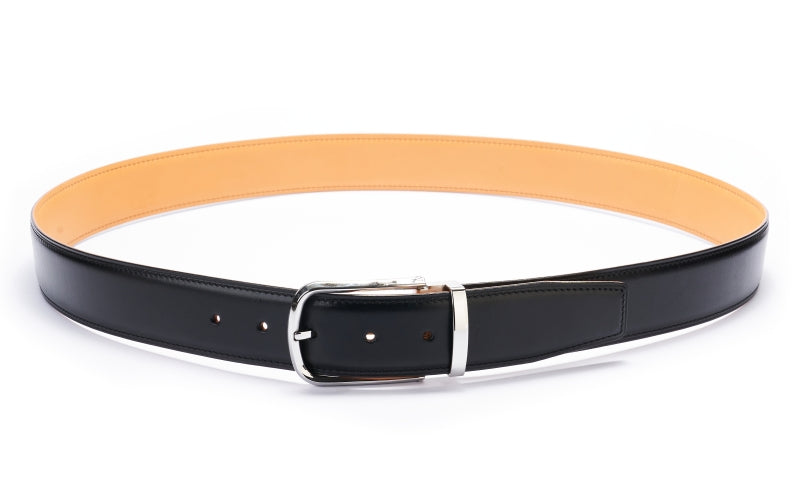
Horween leather is excellent for belts. Chromexcel is dense enough to hold its shape and resist stretching under daily buckle stress, while the high oil content means it's supple and comfortable from day one — no stiff break-in period required. Shell Cordovan belts are rarer and cost more, but their fiber density offers exceptional resistance to both stretch and surface wear.
Practical advantages specific to belt use:
- No break-in required. The hot-stuffed oil content means Chromexcel is already conditioned when cut. Most new leather belts need weeks to soften. A Horween belt is comfortable immediately.
- Moisture resistance. The chrome tanning base gives Chromexcel better moisture tolerance than pure veg-tan leather — useful in wet climates or for frequent travelers.
- Self-healing surface. Light scratches in Chromexcel typically burnish out with fingernail pressure as the oil migrates back to the surface — the same pull-up mechanism at work in a practical setting.
Stitchdown's leather goods quality assessment guide documents how these surface properties translate to real-world wear performance.
The tradeoff is price. For those who want a belt that ages into a personal artifact, it's a sound investment. For a broader look at how full-grain leather belt durability works across grades, that breakdown positions Horween firmly at the top tier of cowhide options.
Horween vs. Standard Full-Grain Leather: What's the Difference?
Not all full-grain leather is equal. Horween occupies the top tier, but it's the same category as quality full-grain — just executed with more care and more steps.
| Factor | Horween Chromexcel | Standard Full-Grain Cowhide |
|---|---|---|
| Tanning method | Chrome + veg re-tan + hot-stuffed | Chrome or veg, single stage |
| Processing steps | 89 steps, 28 working days | Typically 15–25 steps |
| Oil content | High (hot-stuffed proprietary blend) | Variable, often lower |
| Softness from day one | Yes | Varies — often stiff initially |
| Patina development | Rich, deliberate, predictable | Moderate and less consistent |
| Moisture resistance | Good (chrome tanning base) | Variable |
| Price per sq ft | Premium | Lower |
Popov Leather's comprehensive leather grades comparison maps the full hierarchy from full-grain down to bonded leather, with tanning method context for each tier.
The comparison makes clear that Horween isn't a different category — it's the same category executed with far more discipline. That's why the distinction between full-grain and genuine leather is the starting point for any serious leather purchase, not the endpoint.
The Bottom Line
Horween leather is special because of what goes into it: 120 years of tanning knowledge, proprietary oil formulas passed down through five generations, 89 hand-done steps per hide, and an institutional commitment to doing it the slow way. It's American-made, fully traceable from raw hide to finished leather, and it ages in ways that industrially processed leather simply cannot replicate.
For belt buyers, the practical upshot is this: a Horween Chromexcel belt will feel better on day one, hold its shape longer, and develop a personal character that commodity belts won't. That's not a brand story — it's material science and craft.
At BELTLEY, we apply the same philosophy to our own sourcing standards — whether that means hand-selecting full-grain hides or working with specialized tanneries for our exotic leathers. The Horween standard is a useful benchmark for what "done right" looks like at the cowhide level. If you're building a belt collection that rewards long-term investment, start with our handmade leather belts — built on full-grain hides, backed by a 10-year warranty, and priced without the Brand Tax.
Frequently Asked Questions
Q: What is Horween leather and why is it considered premium?
Horween leather is produced by the Horween Leather Company, a Chicago tannery founded in 1905 and still family-owned in its fifth generation. It's considered premium because Horween is one of the last U.S. tanneries to process hides entirely in-house — from raw, cured state to finished leather — using hand-done, proprietary processes that have remained largely unchanged for over a century.
Q: What is the difference between Horween Chromexcel and Shell Cordovan?
Chromexcel is a cowhide leather combining chrome tanning, vegetable re-tanning, and hot-stuffing with natural oils — soft, supple, and water-resistant with a distinctive pull-up aging effect. Shell Cordovan is made from the fibrous shell muscle of horse hindquarters, vegetable-tanned over six months minimum — denser, smoother, and more formal than Chromexcel. Both are made by Horween but for different end-use profiles.
Q: How does Horween leather age compared to regular leather?
Horween leather ages with deliberate richness. Chromexcel develops a warm patina and deepening tone with use, while shell cordovan builds a mirror-like gloss over years. Standard commodity leather tends to fade or crack unevenly as its surface treatments wear away. The difference comes from the depth of oil saturation in Horween's hot-stuffing process and the density of the fiber structure itself.
Q: Is Horween leather worth the price premium for a belt?
For most leather enthusiasts, yes. A Horween Chromexcel belt requires no break-in, has good moisture resistance, develops a personal patina over time, and features a self-healing surface that handles minor scratches. The premium over commodity full-grain is real, but it reflects genuine differences in material quality, production labor, and long-term durability.
Q: How do I care for Horween leather?
Horween leather needs less conditioning than pure veg-tanned leather because the hot-stuffing process keeps it oil-rich from the start. Wipe with a dry cloth to remove surface dirt. Apply a small amount of leather conditioner or natural wax every 6–12 months. Avoid prolonged water exposure and keep away from direct heat, which dries out the natural oil content. BELTLEY's leather care guide covers maintenance best practices for all premium leather types.
Q: Can Horween leather be used for exotic leather goods like crocodile or alligator?
No — Horween Leather Company produces bovine (cowhide) and equine (horsehide) leathers only. Exotic leathers like crocodile, alligator, elephant, and python come from entirely separate specialized tanneries that focus exclusively on reptile and exotic hide processing. They command premium prices for different reasons: material scarcity, CITES compliance requirements, and the extreme skill required to tan scales and exotic grain patterns without damage.