What Are Reversible Belts? Pros and Cons (And Why Your Closet Needs One)
TL;DR: Quick Answer
- A reversible belt is a two-in-one accessory with a different color or finish on each side, switched using a rotating buckle mechanism.
- Pros: versatility, cost savings, travel-friendly, reduced wardrobe clutter. Cons: cheap versions peel quickly, buckle mechanisms can loosen, and limited exotic leather options.
- The quality gap between premium and budget reversible belts is enormous — focus on full-grain leather, stitched edges, and a solid buckle before anything else.

The concept sounds almost too convenient: one belt, two colors, half the closet space. But what are reversible belts, really — and do they actually deliver on that promise? The answer depends almost entirely on how they're built. A well-constructed reversible belt is one of the most practical accessories in menswear and womenswear alike. A poorly made one falls apart before the return window closes. This guide covers exactly how reversible belts work, their honest pros and cons, and what separates a quality full-grain leather belt from a disposable imposter.

How Do Reversible Belts Work?
A reversible belt uses a rotating buckle mechanism that allows the strap to be flipped 180 degrees, exposing a different color or finish on the opposite side. The buckle attaches to the strap through a swivel pin, Chicago screw, or clip system rather than being permanently fixed to one face of the leather.
The basic engineering is straightforward: two leather surfaces — typically black and brown — are bonded or stitched back-to-back to form a single strap. The buckle connects to this strap at a central pivot point. To switch colors, you release the buckle (usually by pulling a small lever or rotating the pin), flip the strap, and re-engage. According to HongDing's technical breakdown, most modern reversible buckles use a 180-degree rotational base that flips without requiring you to remove the belt entirely.
The concept even has formal patent protection — U.S. Patent 4,419,792 describes one of the earliest reversible belt and buckle mechanisms, establishing the engineering principles still used today.

Reversible Belt Pros: Why They're Worth Considering
The practical advantages of reversible belts are genuine — not just marketing spin. Here's what they deliver when the construction is solid:
1. Two colors for the price of one. The most obvious benefit: you get black and brown (or any two-tone combination) in a single purchase. A quality reversible belt priced at $80–$120 replaces two separate belts that would run $60–$90 each.
2. Simplified wardrobe. Matching your belt to your shoes is still a core dress code rule. A reversible belt eliminates the morning decision between two belts — flip it and go.
3. Travel efficiency. One belt instead of two means less luggage weight and more packing space. According to Laveri Leather's reversible belt guide, frequent travelers are the fastest-growing buyer segment for reversible designs.
4. Reduced wear through natural rotation. Because you alternate between two leather surfaces, each side gets worn roughly half as often. According to Tonywell's analysis of reversible belt longevity, this rotation can extend the belt's visible lifespan compared to a single-color belt worn every day.
5. Cleaner closet. Capsule wardrobes and minimalist dressing have driven demand for multi-purpose accessories. A reversible belt fits that philosophy perfectly — fewer items, more function.

Reversible Belt Cons: The Honest Downsides
No product category is perfect. Reversible belts have real limitations — some inherent to the design, others caused by manufacturers cutting corners:
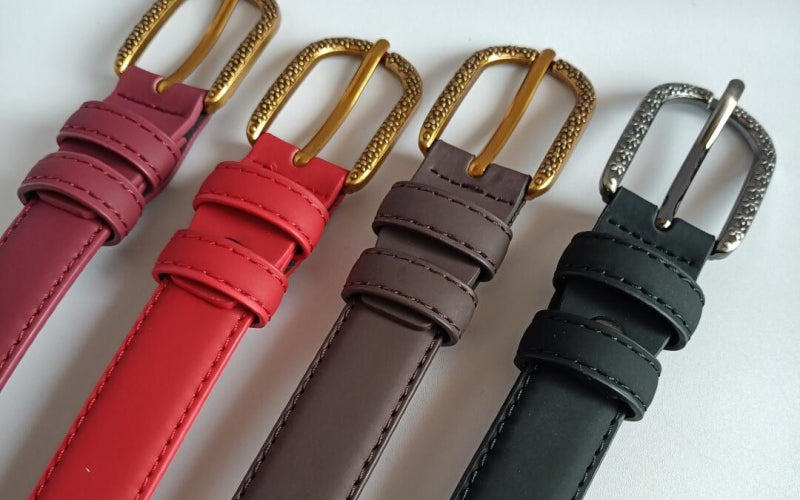
1. Cheap versions peel and delaminate fast. This is the biggest problem. Budget reversible belts are often built by gluing a thin veneer of dyed leather onto a filler layer. According to Obscure Belts' leather guide, the result is a belt where "the leather veneer starts to peel or flake off almost immediately." The issue isn't the reversible design — it's the materials.
2. Buckle mechanisms can loosen over time. The swivel or clip that allows the belt to flip is a mechanical part, and mechanical parts wear out. Ask Andy's menswear forum reports that poorly engineered buckles become "wobbly" after several months of daily flipping. High-quality stainless steel mechanisms last far longer than zinc alloy alternatives.
3. Added thickness. Two layers of leather bonded together create a thicker strap than a single-layer belt. On larger frames, this is barely noticeable. On petite frames, the extra bulk can look disproportionate — particularly with thinner or more tailored outfits.
4. Limited color and material variety. Most reversible belts offer standard combinations: black/brown, black/tan, or black/navy. You won't find reversible options in exotic leathers like crocodile or elephant, because those skins are too thick and textured to bond back-to-back cleanly.
5. Edge quality varies wildly. The seam where two leather layers meet at the belt's edge is the most visible indicator of construction quality. Cheap belts show a visible color split or rough edge. Premium versions use heat-bonding, edge paint, or stitching to create a clean, unified edge. For more detail on how longevity breaks down by construction method, see our guide on whether reversible belts are less durable.

What to Look For: The Reversible Belt Buying Checklist
Not all reversible belts are built the same. Use this checklist to separate quality from junk before you spend a dollar:
| Feature | What to Demand | Red Flag |
|---|---|---|
| Leather grade | Full-grain on both sides | "Genuine leather" label (lowest usable grade) |
| Buckle material | stainless steel or solid brass | Zinc alloy, unspecified "metal" |
| Buckle mechanism | Smooth rotation, firm lock when engaged | Wobble, resistance, or inability to stay locked |
| Edge finish | Sealed, painted, or stitched — no visible gap | Raw edge with color split between layers |
| Stitching | Even, tight, no loose threads | Uneven spacing, visible glue overflow |
| Thickness | 3.5–4.5mm total (comfortable under belt loops) | Over 5mm (too bulky for dress pants) |
| Width | 1.25"–1.38" (32–35mm) for dress; 1.5" (38mm) for casual | No width specified |
The leather grade matters most. As Obscure Belts explains, "genuine leather" is the lowest quality leather product, made from scraps bonded together — and it's the default material in most budget reversible belts. Full-grain leather, by contrast, uses the outermost layer of the hide with the natural grain intact. If you're unfamiliar with leather grades, our guide on how to tell if a belt is full-grain leather covers the quick tests you can do by hand.

Are Reversible Belts Good or Tacky?
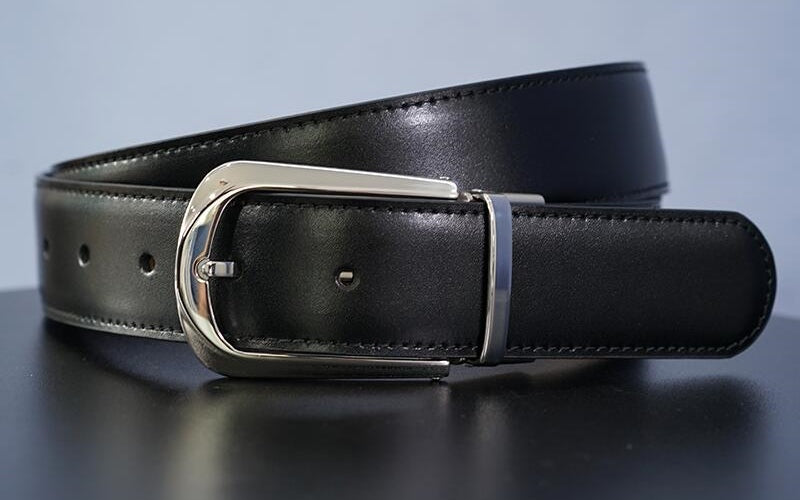
Reversible belts are not tacky when made with quality materials and solid construction. The "tacky" reputation belongs to cheap versions — belts with peeling edges, floppy buckles, and painted surfaces that crack. A full-grain reversible belt with a clean edge finish looks identical to a standard single-color dress belt when worn.
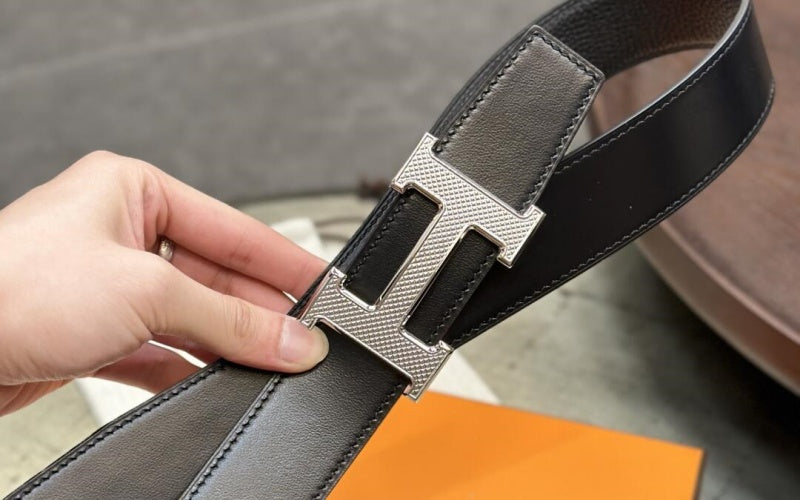
Luxury houses including Hermès, Montblanc, and Ferragamo carry reversible belts as permanent collection staples. Hewore's 2025 roundup of the best reversible belts confirms that the format is firmly mainstream, not a budget compromise. For a longer analysis of the style debate, our article on whether reversible belts are good or tacky breaks it down in detail.
At BELTLEY, our reversible belts — like the Unisex Reversible Brown to Coco — use full-grain leather on both sides, stainless steel buckle hardware, and heat-sealed edges. Every one ships with a 10-year warranty, free worldwide delivery, and a 30-day hassle-free return policy.

The Bottom Line
What are reversible belts? A single leather strap with two distinct color faces, switched using a rotating buckle mechanism. The pros are real: cost savings, travel convenience, wardrobe simplification, and reduced wear per side. The cons are real too: cheap versions peel fast, buckle mechanisms can loosen, and the category offers limited variety in exotic materials. The deciding factor is always construction quality — full-grain leather, a precision buckle, and sealed edges are non-negotiable.
Ready to own a reversible belt that earns its place in your wardrobe? Browse BELTLEY's full-grain leather belt collection — handmade, backed by a 10-year warranty, and delivered free worldwide.

Frequently Asked Questions
Q: How do you flip a reversible belt?
Most reversible belts use a swivel buckle with a small lever or rotating pin. You pull the buckle away from the strap, rotate the leather 180 degrees to expose the other color, and re-engage the buckle. The process takes about five seconds and doesn't require removing the belt from your pants.
Q: Are reversible belts good for formal wear?
Yes — if the belt is made from full-grain leather with a slim buckle profile (1.25"–1.38" width). A clean, well-constructed reversible belt is visually identical to a standard dress belt when worn. Avoid casual widths (1.5"+) and oversized buckles for formal settings.
Q: How long do reversible belts last?
A premium full-grain reversible belt lasts 5–10 years with normal wear and proper care. Budget versions using bonded or "genuine" leather may show peeling, cracking, or edge separation within 3–6 months. The buckle mechanism is the other variable — stainless steel outlasts zinc alloy significantly.
Q: Can women wear reversible belts?
Absolutely. Reversible belts in 1.25" or 1.18" widths work well with women's trousers, jeans, and dresses. For outfit-specific ideas, check out our guide on how to style reversible belts for work for women.
Q: Are reversible belts thicker than regular belts?
Slightly. Two bonded leather layers create a strap roughly 3.5–4.5mm thick, compared to 3–4mm for a typical single-layer dress belt. The difference is minimal in well-made belts but can be noticeable in cheap models that use filler material between the leather layers.
Q: What's the best color combination for a reversible belt?
Black/brown is the most versatile pairing, covering the two most common shoe and outfit colors for both men and women. Black/navy is a strong second choice for professionals who wear navy suiting regularly. Espresso/black offers a slightly warmer alternative to the standard black/brown split.