Do Expensive Belts Last Longer? The Honest Answer
TL;DR: Quick Answer
- Expensive belts can last longer — but only if the price reflects better materials, not just a bigger logo
- A full-grain leather belt lasts 10–20+ years; a "genuine leather" belt lasts 1–3 years, regardless of brand name
- The smartest metric is cost per year — a $150 belt lasting 15 years costs $10/year vs. a $40 belt lasting 2 years at $20/year
You've probably replaced a cheap belt more than once. The buckle corrodes. The edges peel. The leather cracks at the most-used hole. So the logical next thought is: would spending more money fix that?
Sometimes yes. Sometimes no. A $500 designer belt with thin plating and bonded leather won't outlast a $100 belt made from full-grain leather with solid hardware. Price alone tells you nothing about durability. What matters is what you're actually paying for.
This guide breaks down the real factors that determine how long a belt lasts — and where your money makes the biggest difference.

Does a Higher Price Mean a Longer-Lasting Belt?
Not automatically. A higher price sometimes reflects better materials and craftsmanship, but it can also reflect brand markup, marketing costs, retail overhead, and logo premiums. The only way to know if an expensive belt will outlast a cheap one is to look at what it's made of and how it's built.
Here's the reality: a $60 full-grain cowhide belt from a small maker will likely outlast a $400 designer belt made from corrected-grain leather with a zinc alloy buckle. According to Effortless Gent's belt value analysis, the sweet spot for quality-to-price ratio sits between $75 and $200 — where you're paying for materials, not branding.
For a deeper breakdown of what drives belt pricing, our guide on how much a leather belt should cost lays out the full picture.

What Actually Determines How Long a Belt Lasts?
Three things: leather grade, hardware quality, and construction method. Price is a downstream result of these factors — not a guarantee of them.
Leather Grade
This is the single biggest factor. Here's how different leather grades stack up:
| Leather Grade | Typical Lifespan | What It Is |
|---|---|---|
| Full-grain | 10–20+ years | Top layer of the hide, unaltered surface. Strongest, develops patina. |
| Top-grain | 5–10 years | Sanded/buffed surface. Smooth but weaker than full-grain. |
| Genuine leather | 1–3 years | Lower layers of the hide. Thin, prone to peeling and cracking. |
| Bonded / PU leather | 6–12 months | Scraps glued together or synthetic. Falls apart quickly. |
According to Hank's Belts' leather comparison guide, full-grain leather retains the hide's natural fiber structure, which gives it tensile strength that lower grades simply can't match. If you want to understand the differences in more detail, our article on full-grain leather vs. genuine leather covers this thoroughly.

Hardware Quality
The buckle is the second failure point. Cheap belts use zinc alloy buckles with thin plating. These corrode, tarnish, and sometimes snap under stress. Zinc alloy pits and corrodes under sweat exposure, which is a problem since belts sit against your body all day.
Better belts use:
- Solid brass — naturally corrosion-resistant, develops a warm patina over time
- 316L stainless steel — medical-grade, won't tarnish, won't corrode, lasts decades
- Sterling silver or bronze — premium options for statement buckles
At BELTLEY, we use 316L stainless steel and solid brass hardware exclusively. Those are the same grades used in watches and surgical instruments — because a buckle should outlast the leather, not the other way around.
Construction Method
How a belt is assembled matters as much as its materials. Key markers of quality construction:
- Lock-stitching with heavy-duty nylon thread — distributes tension evenly and won't unravel if one stitch breaks
- Beveled and sealed edges — prevents moisture from entering the leather's cross-section
- Proper buckle attachment — screws or Chicago posts (not just glue)
- Single-piece leather strap — no layers glued together to simulate thickness
According to Hoplok Leather's quality standards guide, properly spaced lock-stitches allow slight elasticity under tension, reducing tear risk — while glued construction becomes a ticking clock the moment humidity enters the equation.

The Cost-Per-Year Test
This is the metric that actually matters. Forget the sticker price. Divide the cost by the expected lifespan.
| Belt Type | Price | Lifespan | Cost Per Year |
|---|---|---|---|
| Fast-fashion synthetic | $15–$25 | 6–12 months | $20–$50/yr |
| "Genuine leather" budget | $30–$50 | 1–3 years | $15–$50/yr |
| Mid-range full-grain | $80–$150 | 10–15 years | $6–$15/yr |
| Premium full-grain / exotic | $150–$300 | 15–25+ years | $6–$20/yr |
| Designer logo belt | $300–$600 | 3–10 years* | $30–$200/yr |
*Designer belt lifespan varies wildly. Some use excellent leather. Others use corrected-grain with heavy coatings that peel after a few years. The brand name doesn't tell you which you're getting.
The data is clear: mid-range full-grain belts deliver the best cost-per-year value. Premium and exotic leathers last even longer but carry higher upfront costs. Designer belts are the wild card — some justify their price, many don't.
For a deeper look at this calculation, check out whether it's worth buying an expensive belt.

How Do Expensive Designer Belts Compare?
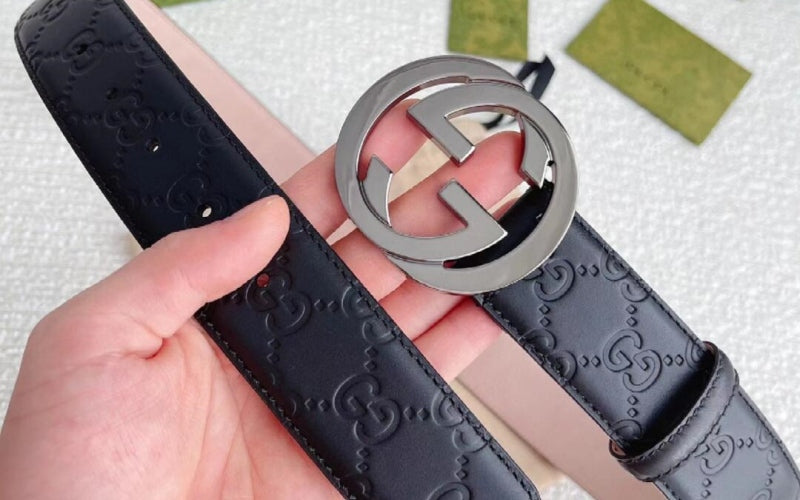
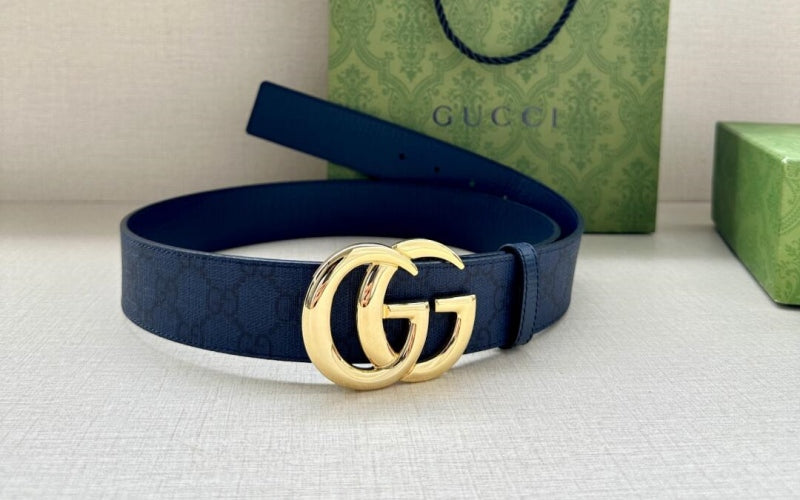
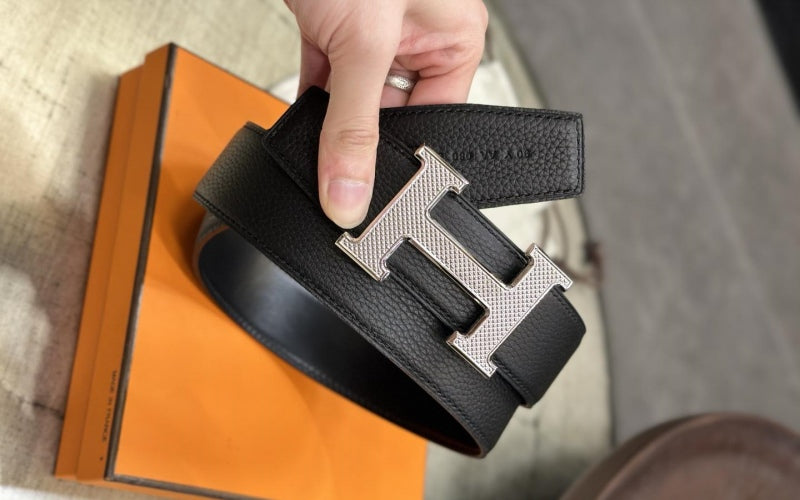
Designer belts from brands like Gucci, Louis Vuitton, and Hermès range from $350 to $1,000+. Their durability varies dramatically depending on the specific product line.
Where designer belts hold up well:
- Hermès uses high-quality calfskin and solid brass hardware. Their belts routinely last 10+ years with care.
- Some Gucci and LV lines use decent leather with robust construction.
Where designer belts fall short:
- Canvas-and-coated models (like LV Monogram) use fabric, not leather, and degrade faster.
- Plated buckles tarnish within 1–3 years of regular wear.
- Thin calfskin straps on fashion-forward styles can crack early.
As noted by Obscure Belts' leather guide, you're often paying a 300–500% markup for the logo alone. The truth about leather belt durability depends on what's under the branding, not on top of it.

How to Tell If a Belt Will Last Before You Buy
You don't need to spend $500 to get a belt that lasts. Here's a quick checklist:
- Check the leather grade. Look for "full-grain" on the product page. If it says "genuine leather" or "PU leather," walk away.
- Inspect the edges. Sealed, beveled edges mean moisture protection. Raw, rough edges mean shortcuts.
- Test the buckle weight. Heavy = solid metal. Light = hollow or zinc alloy.
- Look at the stitching. Even, tight, and consistent? Good. Loose, crooked, or glued? Bad.
- Ask about the warranty. A brand that backs its belt with a multi-year warranty trusts its own product. A brand that offers 30 days or nothing is telling you something.
If you want a complete walkthrough, our guide on whether full-grain leather belts are worth it covers every quality marker in detail.

The Bottom Line
Expensive belts don't automatically last longer.
What lasts longer is full-grain leather, solid metal hardware, and quality stitching — and those things don't require a luxury price tag. The smartest buy is a well-made belt in the $80–$200 range from a maker that prioritizes materials over marketing.
BELTLEY's full-grain leather belts are built with exactly that philosophy — handcrafted with 316L stainless steel buckles, backed by a 10-year warranty, and priced without the Brand Tax.

Frequently Asked Questions
Q: How long should a good leather belt last?
A good full-grain leather belt should last 10–20 years with regular care. Top-grain leather belts typically last 5–10 years. If your belt is cracking or peeling within 2 years, it's likely made from genuine leather or bonded leather — not full-grain. Proper conditioning every 3–6 months extends lifespan significantly.
Q: Why do cheap belts break so fast?
Cheap belts typically use bonded leather (scraps glued together), zinc alloy buckles, and minimal stitching. The leather delaminates, the buckle corrodes from sweat, and the edges peel because they aren't properly sealed. These are structural shortcuts that save manufacturing cost but guarantee early failure.
Q: Is a $500 designer belt worth it for durability?
Not always. Some designer belts use excellent materials that justify the price. Others charge primarily for the logo. A $500 Hermès belt made from quality calfskin and solid brass will outlast a $500 fashion belt with coated canvas and plated hardware. Check the materials, not just the brand name.
Q: What's the most durable type of leather for a belt?
Full-grain leather is the most durable option. It uses the outermost layer of the hide with the natural grain intact, giving it maximum tensile strength. Exotic leathers like crocodile and elephant are also extremely durable due to their dense fiber structures. Our guide on what type of leather is best for belts covers all options.
Q: Does belt thickness affect how long it lasts?
Yes. Thicker leather resists bending stress better and wears more slowly at the holes. Single-layer belts should be at least 3.5–4mm thick for daily use. Double-layer belts — two pieces of leather bonded and stitched together — are even more durable, often lasting 20+ years. Avoid belts thinner than 2.5mm for everyday wear.