Is Calfskin Leather Good for Belts? What You Need to Know
TL;DR: Quick Answer
- Calfskin is excellent for belts — especially dress and smart-casual styles where a smooth, refined finish matters
- It's softer and finer-grained than standard cowhide, with higher tensile strength per millimeter thanks to denser fibers
- Full-grain calfskin belts can last 15-25 years with proper care
- The trade-off: calfskin is thinner and more scratch-prone than cowhide, so it's better suited for dress belts than heavy-duty daily beaters
You've probably seen "calfskin" on the label of a premium belt and wondered whether it's worth the markup — or just marketing. The short answer: calfskin is one of the best leathers for belts, particularly dress belts where smoothness, drape, and a clean silhouette matter most. But it's not the right choice for every situation.
Here's what you actually need to know before buying one.

Is Calfskin Your Match? Quick Test
Excellent leather — for the right job:
| Your situation | Go with |
|---|---|
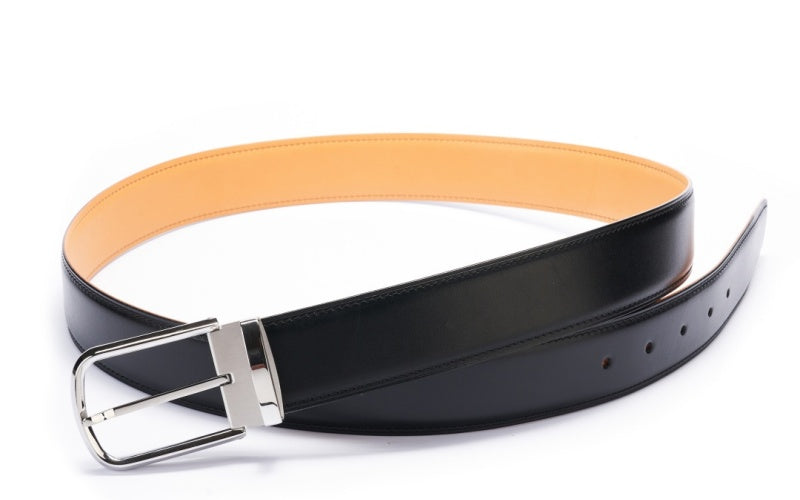
| Dress belts, suits, office | Calfskin is the standard — smooth, refined, made for tailoring. $100–$148 at BELTLEY. |
| Heavy daily abuse | Full-grain cowhide instead — calfskin's finer face scratches under rough treatment. |
| Want day-one softness | Calfskin again — it skips most of the break-in period cowhide demands. |
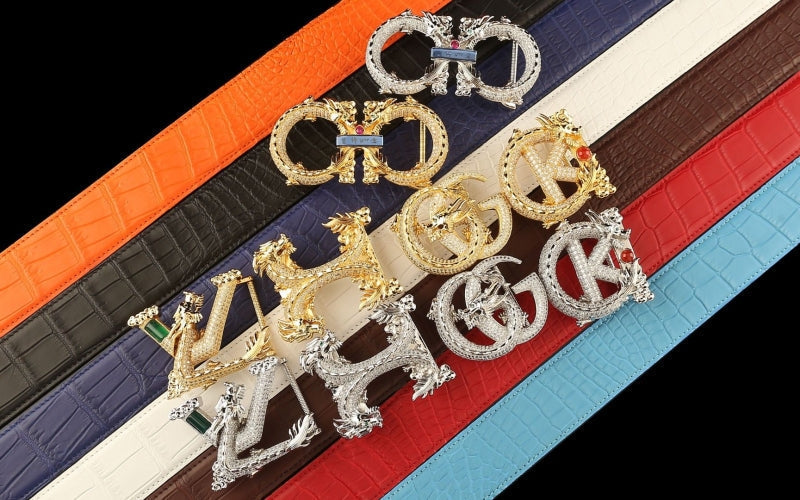
| Want the calfskin look with more presence | Glazed crocodile ($118–$289) — same formal polish, entirely different gravity. |
Calfskin dress belts and their upgrades: BELTLEY's men's collection.
Is Calfskin Leather Good Quality?
Calfskin leather is among the highest quality leathers available for accessories. It comes from young cattle (under one year old), which produces a hide with a tighter, more uniform grain than adult cowhide. The younger the animal, the fewer scars, insect bites, and imperfections on the surface — resulting in a naturally smooth finish that needs minimal correction.
What makes calfskin particularly interesting for belts is its fiber density. According to Stridewise's expert tanner comparison, calfskin's younger fibers are packed more tightly together, giving it greater tensile strength per thickness than adult cowhide. That means a thin calfskin belt can be surprisingly strong — stronger, millimeter-for-millimeter, than a thicker cowhide belt.
At BELTLEY, we use calfskin specifically for our Classic Calfskin Dress Belt because its natural smoothness and drape are exactly what you want under a suit jacket — no bulk, clean lines, polished finish.

How Does Calfskin Compare to Cowhide for Belts?
Calfskin and cowhide come from the same animal species but behave very differently as belt leather. Calfskin is thinner (0.8-1.0mm), softer, and finer-grained, while cowhide ranges from 1.0-5.0mm thick and offers more rugged durability. The right choice depends entirely on how you plan to wear the belt.
Here's a direct comparison:
| Feature | Calfskin | Cowhide |
|---|---|---|
| Thickness | 0.8-1.0mm | 1.0-5.0mm |
| Grain | Very fine, uniform | Larger, more varied |
| Softness | Extremely soft and supple | Firm, stiffens with thickness |
| Scratch resistance | Lower — shows marks more easily | Higher — tougher surface |
| Tensile strength (per mm) | Higher — denser fibers | Lower per mm, but more total thickness |
| Best for | Dress belts, smart-casual | Casual, heavy-duty, everyday |
| Price | Higher | More affordable |
| Patina | Develops subtle, even patina | Develops deeper, more dramatic patina |
As Groupe HCP's leather comparison explains, the choice isn't about which is "better" — it's about matching the leather to the purpose. Calfskin excels at refinement; cowhide excels at toughness.
If you want a belt that handles daily abuse — jeans, manual work, outdoor wear — a full-grain cowhide belt is the smarter pick. If you need a belt for suits, dress pants, or polished smart-casual outfits, calfskin is hard to beat.
For a broader breakdown of leather types, our guide to the 10 most iconic leather types for belts covers everything from calfskin to exotic skins.

How Long Does a Calfskin Belt Last?
A full-grain calfskin belt can last 15-25 years with proper care. The leather's dense fiber structure resists internal breakdown even though the surface is softer than cowhide. The key factor is the grain type — full-grain calfskin retains all its natural fibers and develops a protective patina over time, while corrected-grain calfskin has been sanded and coated, reducing its long-term durability.
According to Margaret's leather care guide, calfskin's lifespan depends heavily on surface treatment and maintenance. A calfskin belt that's conditioned every few months and stored properly will outlast one that's neglected — by years.
That said, calfskin belts do scratch more easily than cowhide. If your belt regularly catches on desk edges, belt loops, or rough surfaces, those marks will show. Some owners consider this character; others find it frustrating. If scratch visibility concerns you, read our guide on how to keep leather belts from cracking — the conditioning tips apply equally to scratch prevention.
When Should You Choose a Calfskin Belt?
Choose calfskin when:
- You're buying a dress belt for suits, dress pants, or business-formal settings
- You want a slim profile (30-35mm) that sits flat without bulk
- You value a smooth, refined appearance over rugged texture
- You're willing to treat the belt with a bit more care than an everyday beater
Choose cowhide instead when:
- You need a daily driver for jeans, casual wear, or physical work
- You want maximum scratch and scuff resistance
- You prefer a belt that develops a deep, rugged patina over time
- Budget is a primary concern — cowhide offers excellent value at lower price points
For a complete guide to matching belt formality to your outfit, check out our dress belt vs. casual belt breakdown.

The Bigger Picture
The calfskin question reveals something about how most people shop for belts — they focus on color and buckle and ignore the leather entirely. That's like buying a car based on paint color without checking the engine.
At BELTLEY, we work with multiple leather types because no single hide does everything well. We use full-grain cowhide for our everyday and casual lines because it handles punishment gracefully. We use calfskin for dress belts because nothing else matches its surface refinement at that thickness. And we use crocodile and elephant hides for our exotic leather collection because those skins offer textures and character that domestic leathers simply cannot replicate. The right leather depends on the job — and the best belt brands make that choice for you before the belt ever reaches your hands.

The Bottom Line
Calfskin leather is very good for belts — specifically dress and smart-casual belts where a smooth grain, slim profile, and refined appearance are priorities. Its dense fiber structure delivers impressive strength despite being thinner than cowhide, and a well-maintained full-grain calfskin belt can serve you for 15-25 years.
The trade-off is a softer surface that scratches more easily and demands slightly more careful handling. For daily rough-and-tumble wear, full-grain cowhide remains the better choice.
If you're building a complete belt wardrobe, the smartest move is to own both: a calfskin dress belt for formal occasions and a full-grain cowhide belt for everything else. Browse BELTLEY's full leather belt collection to find both — handcrafted, backed by a 10-year warranty, and shipped free worldwide.

Frequently Asked Questions
Q: Is calfskin more durable than cowhide for belts?
Calfskin has higher tensile strength per millimeter due to its denser fibers, but cowhide is thicker overall, giving it more total durability for everyday wear. For dress belts worn a few times per week, calfskin's durability is more than sufficient — lasting 15-25 years with proper care.
Q: Is calfskin leather expensive for belts?
Calfskin belts typically cost more than cowhide belts because the hides are smaller, less available, and require more careful tanning. Expect to pay 20-40% more for a calfskin belt compared to a similar cowhide belt. BELTLEY keeps pricing fair through our DTC model — no middlemen markup, no Brand Tax.
Q: How do you care for a calfskin leather belt?
Wipe with a dry microfiber cloth after each wear. Condition with a quality leather cream every 3-4 months. Store flat or hung — never folded. Keep away from direct sunlight and moisture. For detailed instructions, visit our leather care guide.

Q: Can you wear a calfskin belt with jeans?
You can, but it's not the ideal pairing. Calfskin's smooth, refined finish looks most natural with dress pants, chinos, or tailored trousers. For jeans, a full-grain cowhide belt with more texture and thickness is a better visual match.
Q: What is the best leather type for belts overall?
Full-grain leather — whether calfskin or cowhide — is the best choice for any belt. The grain type matters more than the animal source. Full-grain retains the hide's natural fiber structure, providing maximum durability and developing a beautiful patina over time. Our guide to what type of leather is best for belts covers this in depth.