Do Designer Belts Hold Their Value? (2026 Resale Guide)
Quick answer: Most designer belts do NOT hold their value well — they typically lose 30–50% the moment they're worn. The exceptions are top-tier heritage houses: classic Hermès belts retain roughly 60–80% (and rare exotic models can even appreciate), while trend-driven or mid-tier designer belts often keep only 20–30%. As a rule, timeless heritage holds value; logos and trends don't.
Last updated: June 2026 • By BELTLEY
TL;DR:
- Most designer belts depreciate 30–50% once worn — they're not investments.
- Hermès holds best: classic styles retain ~60–80%, rare exotics can appreciate.
- Gucci and trend belts fall hard: often down to 20–40% after a couple of years.
- What holds value: timeless design, top-tier heritage, exotic leather, mint condition + box.
- What doesn't: loud logos, trend-driven looks, mid-tier brands, worn condition.
- The smart-money truth: value retention is about leather and timelessness, not the logo.
"Investment piece" is one of the most overused phrases in fashion. With handbags, a few do appreciate — but belts are a different story. Most designer belts lose value fast, and only a narrow band of heritage pieces hold their worth. This guide breaks down which belts keep their value, which collapse, and why — so you can buy with clear eyes. For the price side of the equation, see are luxury belts worth it in 2026.
Which Designer Belts Hold Their Value?
Match the type of belt to its likely resale outcome.

| Belt type | Value retention |
|---|---|
| Classic Hermès (Constance, box calf) | Strong — roughly 60–80% |
| Rare Hermès exotics (crocodile, special hardware) | Can appreciate above retail |
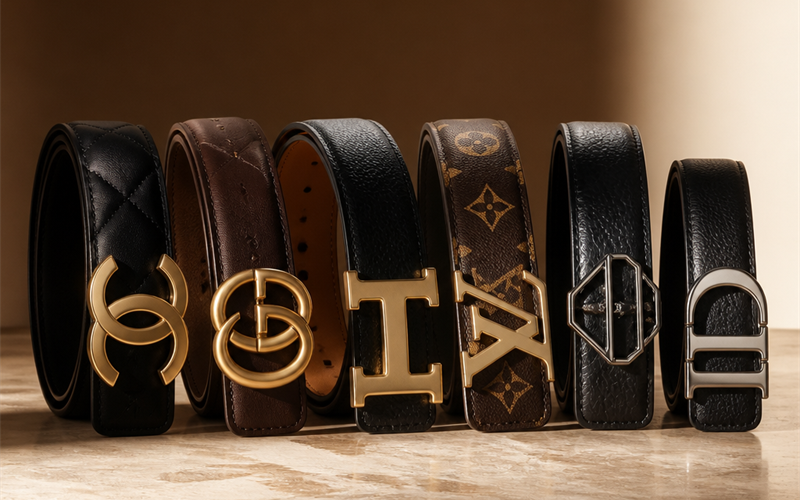
| Louis Vuitton / Chanel classics | Good — often 60–80% |
| Gucci GG and logo belts | Weak — ~30–50% after two years |
| Trend-driven or mid-tier designer | Poor — often just 20–30% |
Heritage and timelessness win; logos and trends lose. For a deeper brand-by-brand view, see top 10 luxury belt brands in the world.
Do designer belts hold their value?
Most designer belts do not hold their value well. They typically lose 30–50% as soon as they're worn, and only top-tier heritage pieces resist that drop. Classic belts from houses like Hermès retain about 60–80% of retail, while trend-driven or mid-tier designer belts often keep only 20–30%.

The pattern is consistent across the resale market. As one designer-belt analysis found, the "holy trinity" of Hermès, Louis Vuitton, and Chanel "retain 60–80% of retail value on the secondary market," while trend-focused options "depreciate quickly," holding "only 20–30% of value." Belts face an extra headwind that handbags don't: they're worn directly against the body, so they show wear (notch stretch, edge rub, buckle scratches) faster, which drags resale prices down. A belt is also a smaller status object than a bag, with a shallower collector market. So while a few bags appreciate, very few belts do. For the Gucci-specific case, see do Gucci belts hold their value.
Why does Hermès hold value better than other brands?
Hermès holds value because it builds timeless designs from the finest leathers, maintains strict quality and scarcity, and never chases trends. Its leather goods are the core of the brand, and demand consistently outpaces supply — so classic and exotic Hermès belts resist depreciation far better than logo-driven rivals.
Hermès is the gold standard of luxury resale for structural reasons. The house, founded in 1837, makes leather goods its largest division, and its craftsmanship is famously deliberate — it "can take up to six years for a craftsman to master some processes," and the group will sacrifice sales growth to protect quality. That discipline, plus timeless designs and genuine scarcity, keeps demand high on the secondary market. As one resale analysis puts it, Hermès is "the gold standard on the luxury resale market, with almost every piece retaining value over time." Rare exotic belts — crocodile with special hardware — can even sell above retail. For why that craftsmanship costs what it does, see why are Hermès belts so expensive.
Why do Gucci and trend belts depreciate so fast?
Gucci and trend-driven belts depreciate fast because their appeal is tied to logos and of-the-moment design rather than timeless craft. When the trend cools or the logo saturates the market, demand and resale prices fall — so these belts often drop to 30–40% of retail within a couple of years.

Fashion-forward branding is a double-edged sword. Bold, trend-led designs boost short-term popularity but shorten resale longevity, because the look dates and the market floods with the same recognizable piece. Gucci belts, hugely popular when logos peak, "lose over half their value," typically holding 50–70% in the first two years and then sliding to 30–40%. Mid-tier designer names with less leather-goods heritage fare worse still. The lesson: a belt bought primarily for its logo is bought at the top of its value curve. For the trend question itself, see are logo belts in style in 2026.
Are designer belts a good investment?
No, designer belts are generally not a good investment. With rare exceptions — classic or exotic Hermès — they lose money, depreciating 30–50% once worn. If your goal is financial return, belts are one of the weakest luxury categories. Buy a designer belt because you'll wear and enjoy it, not as an asset.

It helps to separate two ideas: holding value and being worth the money. Almost no belt is a true investment that returns cash. But a belt can still be "worth it" if you wear it for years — that's a cost-per-wear calculation, not a resale one. A $500 logo belt worn 50 times costs $10 a wear and resells for scraps; a quality full-grain belt that lasts 10–15 years costs pennies per wear and never needed to hold resale value to pay for itself. A full-grain leather belt typically lasts 10–15 years, versus 6–12 months for inferior alternatives — that longevity, not resale, is where real value lives. For the broader take, see is it worth buying an expensive belt.
Key stat: Classic belts from top-tier houses retain roughly 60–80% of retail, but trend-driven and mid-tier designer belts keep only 20–30% — and most designer belts shed 30–50% the moment they're worn. Meanwhile a quality full-grain belt lasts 10–15 years, making longevity, not resale, the real value play.
How do you protect a designer belt's resale value?
To protect resale value, buy timeless styles from top-tier houses, keep the original box, dust bag, and receipt, and preserve condition — avoid over-tightening, rotate your belts, and store them rolled or hung. Mint condition with full packaging and proof of authenticity commands the highest resale prices.

If resale matters to you, the levers are condition, completeness, and choice. Condition is biggest: a belt with a stretched notch, scratched buckle, or worn edges drops sharply in value, so wear it gently and rotate it with others. Completeness matters because buyers pay more for a belt with its box, dust bag, card, and receipt — proof of authenticity in a market full of fakes. And choice is decisive: a classic neutral style from a heritage house holds far better than a loud, trendy logo. Do all three and you minimize the loss — though with most belts, some loss is still inevitable. For care fundamentals, see our leather care guide.
The Bottom Line
Do designer belts hold their value? Mostly no — they typically lose 30–50% once worn, with only classic and exotic Hermès (and a few Louis Vuitton and Chanel classics) holding 60–80% or appreciating. Trend belts and mid-tier logos shed value fastest. So buy a designer belt to wear and love it, not as an investment. Here's the on-brand truth: value retention tracks leather quality and timelessness, not the logo — which is exactly why the smartest spend is often a belt where you pay for substance, not a name to resell. A BELTLEY full-grain leather belt is built to last 10–15 years and win on cost-per-wear, and our exotic crocodile and alligator belts deliver the rare-leather appeal that actually holds value — without the Brand Tax. Chase resale with Hermès if you must; build real value with leather that lasts.
Frequently Asked Questions
Q: Which designer belt holds its value best?
Hermès holds value best by a wide margin. Classic Hermès belts retain roughly 60–80% of retail, and rare exotic models with special hardware can even appreciate above their original price. Louis Vuitton and Chanel classics also hold reasonably well, while most other designer belts depreciate significantly.
Q: How much do designer belts depreciate?
Most designer belts depreciate 30–50% as soon as they're worn. Classic top-tier pieces hold 60–80%, but trend-driven or mid-tier designer belts often keep only 20–30%. Belts depreciate faster than handbags because they're worn against the body and show wear more quickly.
Q: Are designer belts a good investment?
Generally no. With the rare exception of classic or exotic Hermès, designer belts lose money and aren't a sound financial investment. Buy one because you'll wear and enjoy it. If you want value, a durable full-grain belt's long lifespan beats most designer belts on cost-per-wear.
Q: Do Gucci belts hold their value?
Not well. Gucci belts typically retain 50–70% in the first two years, then slide to about 30–40% as the logo trend cools and the resale market floods with identical pieces. Their value is tied to of-the-moment branding rather than the timeless design that protects resale.
Q: What makes a belt hold its resale value?
Timeless design, top-tier heritage, exotic or premium leather, mint condition, and complete packaging with proof of authenticity. Loud logos, trend-driven looks, mid-tier brands, and visible wear all hurt resale. In short, craftsmanship and timelessness hold value; logos and trends don't.