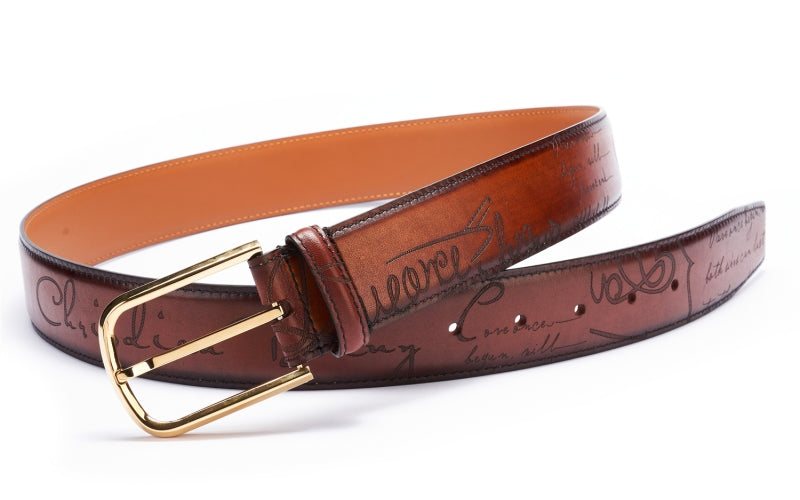
Belt Trends: Gen Z vs. Millennials vs. Gen X (Who's Actually Right?)
TL;DR:
- Gen Z uses belts as expressive statement accessories (oversized buckles, off-waist styling); Millennials prioritize quality and cost-per-wear; Gen X never left the classics — all three approaches work in their context
- The converging 2026 trend across all three generations: material quality over brand logos, full-grain or exotic leather over fast-fashion alternatives
- The foundation that works across every generation: 35mm full-grain leather in black or dark brown — timeless enough for Gen X, quality-conscious enough for Millennials, and a solid canvas for Gen Z styling
Fashion arguments between generations are usually silly. But the belt debate is genuinely interesting — because Gen Z, Millennials, and Gen X aren't just wearing different belts. They're using the belt for completely different purposes. One generation uses it as a functional accessory. One uses it as a status signal. One uses it as a creative statement.
None of them are wrong. But understanding the difference tells you a lot about where belt culture is going.
Gen Z and the Belt: Statement Over Function
Gen Z's relationship with belts is unconventional and genuinely interesting. They've largely moved away from the "belt as trouser-holder" concept and toward "belt as expressive accessory." In 2026, Marie Claire's Gen Z fashion trend report documents Gen Z wearing studded belts over sweaters, wide fashion belts cinched over blazers, and vintage Western buckles as centerpiece accessories styled around the buckle rather than the trousers.

The Gen Z belt principles:
- Bigger buckle = more interesting, not less
- Off-waist placement is acceptable — worn high, worn low, worn over outerwear
- Vintage and secondhand belts are preferred over new, especially thrifted Western pieces
- The belt can be the outfit's focal point, not background infrastructure
What's actually smart about this: Gen Z has correctly identified that the belt sits at visual center and treats it accordingly. The irony is that they've rediscovered what cowboys knew in the 1930s — a great buckle tells your story.
Where it goes sideways: cheap fast-fashion belts worn as fashion statements fall apart fast. The Gen Z instinct toward quality (sustainability is a core value) is occasionally undermined by the economics of trend-chasing. Are studded belts in style in 2026? — yes, according to search data, and Gen Z is largely driving it.
Millennials and the Belt: The Quality Upgrade Generation
Millennials — roughly 27–43 in 2026 — are in the middle of the exact wardrobe transition that defines the belt conversation. They started with whatever-works, graduated through logo belts in their 20s, and most of them have landed somewhere around "I want one excellent belt I don't have to think about."

Business of Fashion's generational retail analysis identifies Millennials as the generation most focused on cost-per-wear value — buying fewer, better things rather than many cheap things. For belts, this means:
- Full-grain leather over everything else (Millennials drove the artisan/heritage goods boom)
- Logo belt burnout — the GG-buckle era is largely over for this cohort
- Versatility over novelty — a 35mm brown belt that works everywhere beats three trendy belts that each only work sometimes
- Increasing interest in exotic leather as the step beyond "good quality cowhide"
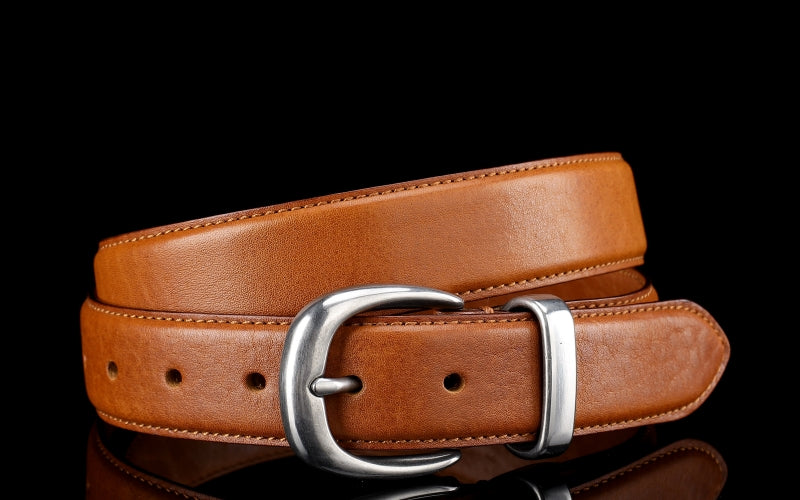
The Millennial belt in 2026: full-grain leather, 35mm, dark brown or black, simple hardware. Classic without being boring. Bought once, worn for a decade. BELTLEY's customer base skews heavily Millennial for exactly this reason — the "Smart Money" positioning resonates with a generation that learned about cost-per-wear the hard way.
Gen X and the Belt: The Classics Were Right
Gen X — roughly 44–59 in 2026 — doesn't have a lot of belt opinions, and that's kind of the point. They settled on what works 15 years ago and haven't needed to revisit it. Black belt with black shoes. Brown belt with brown shoes. Full-grain leather or better. Simple buckle. Done.
Gen X's contribution to belt culture is frankly the most useful one: they proved that the classic answer is correct. The Real Men Real Style's wardrobe philosophy guide that's been consistent for 40 years — quality leather, minimal buckle, match your shoes — wasn't wrong. Gen X just kept doing it.
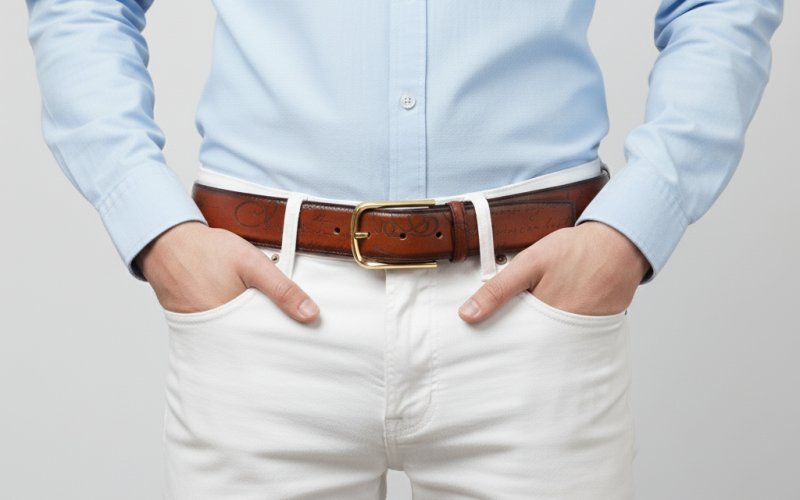
The Gen X belt in 2026: unchanged from 2010. Black or dark brown full-grain leather, 32–35mm for formal contexts, 35–38mm for casual. A buckle that doesn't embarrass anyone. This is boring in the best possible way — it just works every time.
Gen X's blind spot: occasionally resistant to legitimate upgrades (ratchet belts for comfort, exotic leather for material taste) because "my current belt is fine." Which, fair. But fine and excellent are different things.
The Comparison Table (Because You Came Here for a Winner)
| Generation | Belt Priority | Preferred Style | Width | Leather Grade |
|---|---|---|---|---|
| Gen Z | Expression + statement | Fashion/vintage/oversized buckle | Varies — often wide | Mixed (thrifted to fast fashion) |
| Millennials | Value + quality | Clean, versatile, minimal logo | 35mm | Full-grain |
| Gen X | Function + timelessness | Classic, unchanged | 32–38mm | Full-grain to exotic |
Who's Actually Right?
All of them, in context. Gen Z's expressive approach is culturally interesting and occasionally produces genuinely great looks. Millennials' quality-over-quantity philosophy produces the best daily wardrobe outcomes. Gen X's "classics were right" position is the most defensible long-term answer.

The common thread all three generations are converging on, whether they know it or not: the belt matters more than most people acknowledge. Gen Z knew it first. Millennials are figuring out the quality piece. Gen X never forgot the fundamentals.
What type of belt is in style in 2026 — the full current trend breakdown if you want more detail on where each style sits right now.
The Bottom Line
Three generations, three valid approaches. If you're building a belt wardrobe that works across all contexts and ages with you: start with full-grain leather, 35mm, in the color that matches your most-worn shoes. That's the Millennial/Gen X answer. If you want to add personality on top of that foundation — that's the Gen Z answer, and it's a good one.
Browse men's belts and women's belts — BELTLEY has options that work for all three philosophies.
Frequently Asked Questions
Q: How does Gen Z wear belts differently from Millennials?
Gen Z uses belts as expressive statement accessories — often with oversized buckles, worn off-waist or over outerwear. Millennials tend to view the belt as a quality-first practical item: full-grain leather, versatile width, minimal hardware. Gen Z treats the belt as the outfit's focal point; Millennials treat it as the outfit's foundation.
Q: Are logo belts still in style in 2026?
Mostly no — particularly for Millennials and Gen X who largely outgrew the logo belt phase. Gen Z occasionally wears logo pieces ironically or as vintage finds. The dominant 2026 trend across all demographics is material quality over brand recognition.
Q: What belt style is trending in 2026?
Two competing trends: Gen Z-driven oversized Western buckles and vintage statement pieces, and a broader quality-over-quantity movement toward full-grain and exotic leather with minimal hardware. Both are genuine 2026 trends — they just appeal to different audiences.
Q: What belt does Gen X wear?
Classic full-grain leather, 32–35mm for formal or 35–38mm for casual, in black or dark brown with a simple rectangular buckle. Unchanged for 15+ years — which is either boring or correct depending on your perspective. (It's correct.)
;%20Millennials%20prioritize%20quality%20and%20cost-per-wear;%20Gen%20X%20never%20left%20the%20classics%20%E2%80%94%20all%20three%20...)