Are Luxury Belts Worth It in 2026 ?( Answered By BELTELY)
TL;DR: Quick answer
- Luxury belts are worth it in 2026 if the price reflects full-grain leather, solid hardware, and expert construction — not just a logo. The quiet luxury shift means consumers are increasingly rewarding craftsmanship over branding.
- The luxury leather goods market is softening under price fatigue. Bain & Company reports that leather goods sales declined in 2025 as consumers pushed back against aggressive price hikes. The best value now sits with DTC artisan brands, not legacy fashion houses.
- A $100 full-grain belt costs $0.03/wear over 10 years. A $500 designer belt costs $0.33/wear. Same lifespan, 10x the price — the gap is pure Brand Tax.

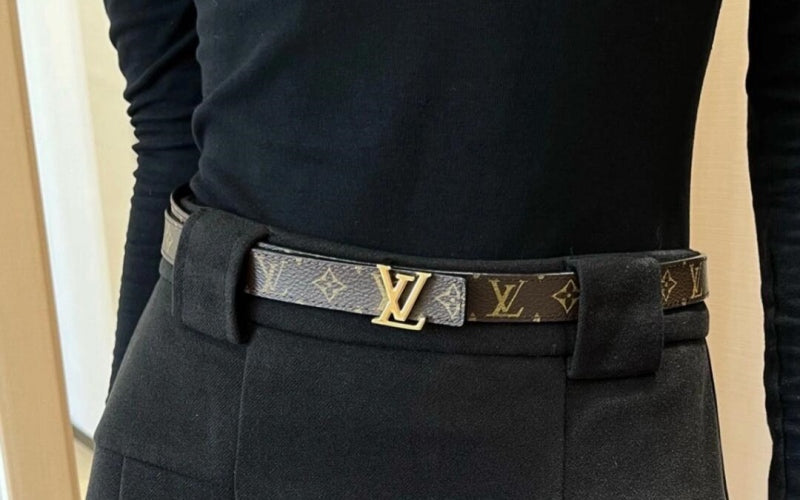
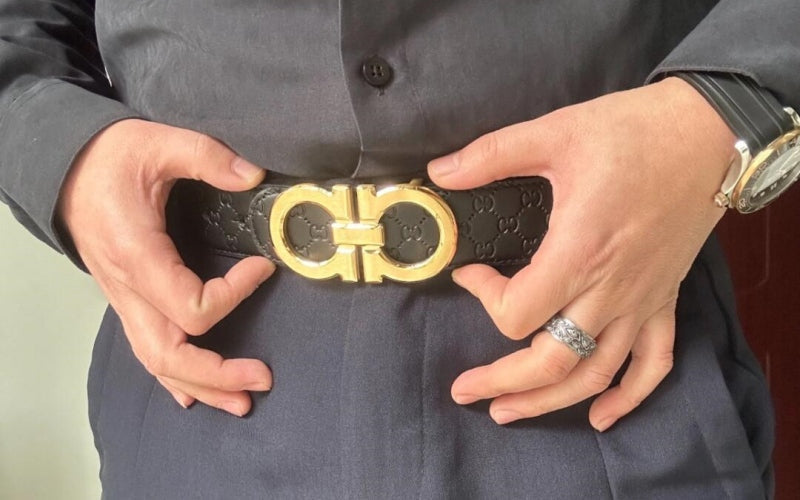
Are luxury belts worth it in 2026? The answer has changed. Two years ago, a Gucci GG buckle or an LV monogram belt was an easy flex — visible, recognizable, socially validated. In 2026, the fashion conversation has shifted hard toward quiet luxury: zero logos, premium materials, and craftsmanship you can feel but can't see from across the room.
That shift has real implications for how you should spend your belt budget. Consumers are asking smarter questions — not "which brand should I buy?" but "what am I actually getting for this money?" This guide answers that question with cost data, material comparisons, and an honest breakdown of where luxury belt money goes in 2026. If you're new to the quality-vs-brand debate, start with our guide on whether it's worth buying an expensive belt.

Worth It for You in 2026? Run the Check
The answer depends on what the price is actually buying:
| Your situation | The verdict |
|---|---|
| Price reflects full-grain + solid hardware + craft | Worth it — that belt serves decades |
| Price reflects mostly a logo | Not in 2026 — the quiet luxury shift is punishing exactly this |
| You think in cost-per-wear | A $100 full-grain belt worn daily costs pennies per wear — the math favors quality, not prestige |
| You want luxury-grade without the markup | DTC artisan brands are where the value sits now — even Bain's data points that way |
BELTLEY's full-grain belts are built for row four. What "luxury" technically means in 2026:
What Makes a Belt "Luxury" in 2026?
The definition of luxury in belts has split into two competing camps — and in 2026, one is winning.
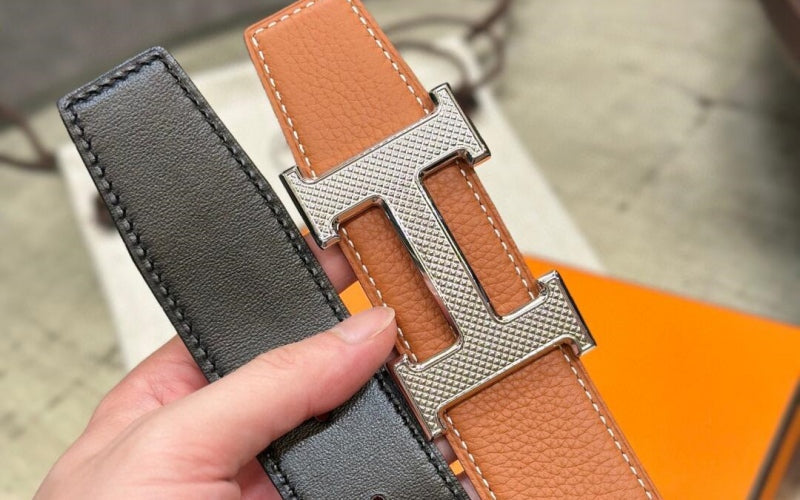
Camp 1: Brand luxury. A belt is luxury because it carries a designer logo — Hermès H buckle, Gucci GG, Louis Vuitton monogram. The materials may or may not justify the price, but the brand recognition does the heavy lifting. Prices: $400-$1,500.
Camp 2: Material luxury. A belt is luxury because it's made from the best possible materials — full-grain or exotic leather, solid brass or stainless steel hardware, hand-finished edges — by skilled artisans. No logo required. Prices: $80-$300.
According to Bain & Company's 2025 luxury market report, the personal luxury goods market contracted to €358 billion in 2025, with leather goods and shoes "softening under the weight of price fatigue and consumer caution." Translation: consumers are pushing back against designer price hikes that aren't matched by proportional quality improvements. Business of Fashion's analysis of the Bain data noted that shoppers feel "betrayed" by pricing — they're not leaving luxury, they're leaving bad value.
This is exactly why material luxury is gaining ground. The "Smart Money" consumer in 2026 asks: what's inside this belt? — not what's printed on it.

Are Designer Belts Still Worth Buying in 2026?
Some are. Most aren't — at least not at current prices. The key is separating the brands that deliver genuine material quality from those that are selling logos on mediocre leather at inflated markups.
Hoplok Leather's 2025 designer belt analysis ranked 25 luxury belt brands and found that fewer than half use full-grain leather as standard. Several heritage brands use corrected-grain cowhide or coated canvas — the same base materials found in $40 department store belts — with a designer buckle and a 10x markup.

Brands that justify the premium:
- Hermès — Full-grain calfskin, solid palladium or gold-plated buckles, reversible construction. Resale value holds at 70-120% of retail. The construction is genuinely excellent.
- Heritage artisan brands — Small-batch makers using full-grain or exotic leather with solid metal hardware. DTC pricing eliminates the retail markup.
Brands where you're paying mostly for the logo:
- Belts made from coated canvas or corrected-grain leather with plated zinc buckles — regardless of brand name or price point
- Trend-driven designs that will feel dated by 2027
For a full breakdown of what separates brand-driven from quality-driven belts, see our comparison of designer belt brands vs. luxury belt brands.

The Quiet Luxury Effect on Belt Buying
The quiet luxury movement — also called "stealth wealth" — has fundamentally changed what a luxury belt looks like. According to Fashion Times' quiet luxury analysis, the trend emphasizes "quality, craftsmanship, and timeless design over visible branding or logos" and is driven by consumer fatigue with fast fashion and a desire for more intentional wardrobes.
For belts, this means:
- Minimal buckles over logo buckles. Clean box-frame or prong buckles in brushed stainless steel or solid brass — no monograms, no oversized hardware.
- Leather texture over brand stamping. The natural grain variation of full-grain leather is the visual interest. No need for embossed logos when the material speaks for itself.
- Subtle width shifts. Hoplok Leather's 2026 belt trends report notes a shift toward "power widths" of 38mm-40mm — slightly wider than the traditional dress belt, designed to be noticed without shouting.
This trend strongly favors artisan-made belts over designer belts. A full-grain leather belt with a stainless steel buckle and zero branding is exactly what quiet luxury looks like — and it costs a fraction of what a logo-driven alternative costs.

The 2026 Cost-Per-Wear Comparison
Here's how the math breaks down across every tier of belt you could buy in 2026:
| Belt Tier | Typical Price | Leather Grade | Hardware | Expected Lifespan | Cost Per Wear |
|---|---|---|---|---|---|
| Fast fashion | $10-$25 | Bonded / PU | Plated zinc | 3-8 months | $0.08-$0.14 |
| Mid-range | $35-$60 | "Genuine" / corrected | Plated zinc | 1-3 years | $0.05-$0.10 |
| Artisan DTC | $80-$150 | Full-grain | Solid brass / SS | 8-15 years | $0.02-$0.05 |
| Designer (mid-tier) | $300-$500 | Corrected-grain / canvas | Plated or solid | 5-8 years | $0.15-$0.30 |
| Designer (top-tier) | $500-$1,500 | Full-grain | Solid / plated | 8-15 years | $0.15-$0.50 |
The data reveals the value gap clearly: artisan DTC belts and top-tier designer belts often share the same lifespan, but the artisan belt costs 5-10x less per wear. The designer premium doesn't buy more years of use — it buys the name.
This cost analysis aligns with what Buckle My Belt's quality investigation found: the materials that determine belt longevity — leather grade, buckle alloy, stitch method — plateau at the $80-$150 price point. Everything above that is brand premium, retail margin, and marketing cost.

How to Buy a Luxury Belt That's Actually Worth It in 2026
Five rules for spending wisely on a belt this year:
-
Check the leather grade before the brand name. The label must say "full-grain." If it says "genuine leather," "calfskin" (without "full-grain"), or doesn't specify, assume it's corrected or bonded. Our guide on how to tell if a belt is full-grain leather walks through every verification method.
-
Weigh the buckle. Solid brass or 316L stainless steel buckles weigh 80g+. Die-cast zinc alloy buckles feel light and hollow. This single test eliminates most overpriced belts instantly.
-
Choose timeless over trendy. A clean prong or box-frame buckle in a neutral metal finish won't look dated in five years. An oversized logo buckle tied to a specific fashion cycle will.
-
Buy DTC when possible. Cutting out retail middlemen removes 40-60% of the price markup. The same leather, same hardware, same craftsmanship — without the retail margin.
-
Look for warranty backing. A brand willing to warranty their belt for 5-10 years is telling you what they know about their own materials. A brand offering no warranty is telling you something too.

The Bottom Line
Are luxury belts worth it in 2026? Yes — but the definition of luxury has shifted. The 2026 consumer who values quality over logos gets more for their money from artisan-made full-grain leather belts at $80-$150 than from designer belts at $500+. The cost-per-wear math is decisive: same materials, same lifespan, a fraction of the price.
Buy materials, not marketing. Choose craftsmanship, not logos. Browse BELTLEY's handmade collection — full-grain leather, solid brass or 316L stainless steel buckles, 10-year warranty, free worldwide shipping, and 30-day hassle-free returns. Quiet luxury, fair price.

Frequently Asked Questions
Q: Are Gucci belts worth it in 2026?
Gucci belts remain popular for their iconic GG buckle and brand recognition. However, most Gucci belts use corrected-grain leather with plated hardware — materials comparable to $50-$80 belts. At $400-$550 retail, you're paying primarily for the logo. If brand signaling matters to you, Gucci delivers that. If material quality is your priority, artisan alternatives outperform at a fraction of the price.
Q: Do luxury belts hold their resale value?
It depends on the brand. Hermès belts consistently resell at 70-120% of retail. Gucci and Louis Vuitton belts hold moderate value (40-70% of retail) for classic styles but depreciate faster for trend-driven designs. Most other designer belts lose 50-70% once worn. Artisan belts have minimal resale value but deliver superior cost-per-wear because they last longer and cost less upfront.
Q: What is the best luxury belt brand in 2026?
For material quality relative to price, DTC artisan brands using full-grain leather and solid hardware offer the best value. Among designer houses, Hermès leads in construction quality. For a detailed ranking, read our guide on the top luxury belt brands.
Q: Is quiet luxury just a trend or a permanent shift?
The quiet luxury movement reflects a structural shift in consumer values, not a seasonal trend. Bain & Company's data shows that luxury consumers are increasingly prioritizing craftsmanship and materials over visible branding — a pattern that has been building since 2023 and is accelerating through 2026. The underlying driver (logo fatigue + value consciousness) isn't cyclical.
Q: How much should I spend on a quality belt in 2026?
$80-$150 buys a full-grain leather belt with solid metal hardware and hand-finished edges from a reputable artisan brand — the sweet spot where material quality plateaus. Below $60, manufacturers cut corners on leather grade or hardware. Above $150 (for cowhide), you're typically paying for brand premium, exotic leather, or elaborate buckle designs rather than a proportional durability improvement.