Are Louis Vuitton Belts Real Leather or Fake? The Full Material Breakdown
TL;DR:Quick answer
- Most Louis Vuitton belts are not made of real leather. The iconic Monogram and Damier lines — roughly 80% of LV belt sales — use PVC-coated cotton canvas with a leather backing strip. The front surface you see and touch is plastic, not leather.
- LV's Epi, Taiga, and Taurillon lines are real leather — calfskin with various textured finishes. These are the belts worth considering if leather quality matters to you.
- At $630+ for a coated canvas belt, the price reflects the brand name and the Monogram pattern — not the material cost.

The question sounds simple: is a Louis Vuitton belt made of real leather? The answer is more complicated than LV would prefer you to know. Some LV belts are genuine leather. Most are not. And the distinction between the two is buried in product descriptions that most shoppers never read closely enough.
This guide breaks down exactly what each Louis Vuitton belt line is made of, where those materials fall on the leather quality hierarchy, and what you're actually getting for your money.

What Are Louis Vuitton Monogram Belts Actually Made Of?
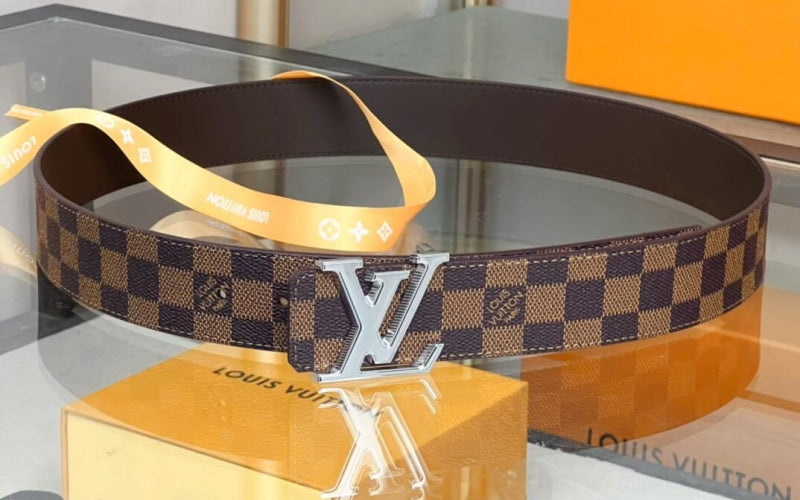
Louis Vuitton Monogram belts are made from PVC-coated cotton canvas — not leather. The base is a high-quality cotton and polyester weave. The iconic LV pattern is printed onto this fabric, which is then coated with a polyvinyl chloride (PVC) film to create the glossy, water-resistant surface. A thin strip of leather (often vachetta calfskin) forms the backing and edges.
Rioni's material analysis and Rebag's LV material guide both confirm this composition. LV does not publicly disclose exact material ratios, but the front surface — the part you see and touch — is plastic-coated fabric, not any grade of leather. The Damier Ebene and Damier Graphite lines use the same PVC-coated canvas construction.
This matters because these Monogram and Damier belts represent the vast majority of LV belt sales. When most people buy a "Louis Vuitton belt," they're buying coated canvas — at leather prices.

Which Louis Vuitton Belts Are Actually 100% Leather?
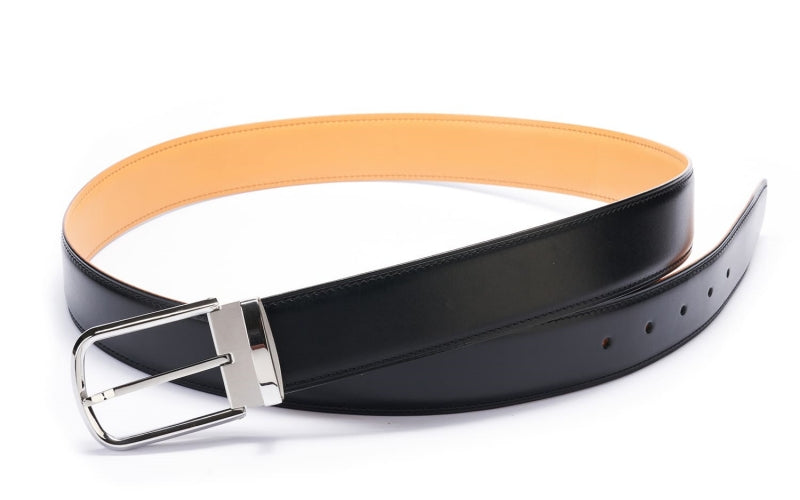
LV's Epi, Taiga, and Taurillon leather lines are genuine leather belts — calfskin with various surface treatments. These lines are less marketed than the Monogram collection but are materially superior.
| LV Belt Line | Material | Real Leather? | Price Range |
|---|---|---|---|
| Monogram Canvas | PVC-coated cotton canvas + leather backing | No (surface is PVC) | ~$630+ |
| Damier Ebene/Graphite | PVC-coated cotton canvas + leather backing | No (surface is PVC) | ~$630–$728 |
| Epi Leather | Full-grain calfskin with textured wave pattern | Yes — 100% leather | ~$600–$800 |
| Taiga Leather | Calfskin with smooth, subtle sheen | Yes — 100% leather | ~$600–$800 |
| Taurillon Leather | Grained bull hide / kipskin, thick and durable | Yes — 100% leather | ~$700+ |
| Vernis | Patent-coated calfskin | Yes — leather with synthetic coating | ~$650+ |
Gallery Rare's LV leather guide and Xupes' expert material breakdown both categorize these lines by material composition. If you're shopping for a Louis Vuitton belt specifically for the leather, Epi and Taurillon are the lines to look at — not Monogram or Damier.

Where Does LV Leather Fall on the Quality Hierarchy?
Leather quality follows a clear hierarchy, and understanding where LV sits on it clarifies what you're paying for. Here's the standard grading scale used across the leather industry:
- Full-grain leather — The outermost layer of the hide, completely unaltered. Most durable, develops a patina, lasts 10–20+ years. Used by Hermès and independent artisans.
- Top-grain leather — Sanded or buffed to remove imperfections. More uniform appearance but weaker fiber structure.
- Genuine leather — A marketing term for lower-quality split leather. Sounds premium but is actually the third-lowest grade.
- Bonded leather — Shredded scraps bonded with adhesive. Not real leather in any meaningful sense.
LV's Epi and Taurillon lines use calfskin that appears to be top-grain to full-grain quality — the surface is smooth, durable, and ages reasonably well. LV does not publicly confirm the exact grade. The Monogram and Damier lines don't appear on this scale at all because their primary surface is PVC, not leather.
For comparison, Hermès uses documented full-grain Box Calf and Togo leathers and saddle-stitches every belt by hand. At BELTLEY, every belt is handcrafted from full-grain leather — the highest grade — because that's the only grade that develops a genuine patina and holds up to daily wear for years. Learn how to identify the difference in our guide on how to tell if a belt is full-grain leather.

How Does LV Belt Hardware Compare?
LV buckles are made from brass coated with a thin layer of gold or palladium plating. PurseForum users report that the plating wears off after 6–12 months of regular wear, exposing the raw brass underneath. This creates visible discoloration — gold fades, silver tarnishes — especially where the buckle contacts your shirt or trouser closure.
For context, BELTLEY uses 316L stainless steel for all buckle hardware — the same surgical-grade alloy found in Swiss watches and marine equipment. Stainless steel doesn't require plating because the finish is the material itself. It won't tarnish, discolor, or flake regardless of wear frequency. Explore the difference in our stainless steel buckle belts collection.

Is a Louis Vuitton Belt Worth the Price for the Materials?
That depends on what you're buying it for. If you're buying a Louis Vuitton belt for the Monogram pattern and brand recognition, that's a personal choice — and the LV logo undeniably holds cultural cachet. If you're buying it for material quality, the math doesn't add up.
A $630 LV Monogram belt gives you:
- PVC-coated cotton canvas (not leather)
- Brass buckle with thin gold plating (wears off in months)
- Machine-assembled construction
- 5–7 year typical lifespan for the canvas; longer for the leather backing
For comparison, a BELTLEY crocodile leather belt at $58–$299 gives you:
- Full-grain exotic leather (the highest grade available)
- 316L stainless steel buckle (no plating to wear off)
- Handcrafted by master artisans in small batches
- 10-year warranty on materials and construction
The price difference reflects brand markup — what we call the Brand Tax — not a difference in material quality. For a broader perspective on this dynamic, see our comparison of designer belt brands vs. luxury belt brands.

How to Tell If a Louis Vuitton Belt Is Real (Authentication Tips)
If you're buying a pre-owned LV belt, authentication matters — counterfeits are rampant. LegitCheck's 2026 authentication guide outlines the key checks:
- Heat stamp: Real LV belts have precise, slim, perfectly aligned text. The ® symbol is sharp and small, not oversized.
- Stitching: 8–10 stitches per inch, even spacing, waxed polyester thread in mustard yellow (for Monogram) or matching leather tone.
- Buckle weight: Genuine LV buckles are solid brass — heavy and cold to the touch. Counterfeit buckles use lightweight zinc alloy.
- Monogram alignment: The LV initials and quatrefoil pattern must be perfectly aligned at seams, never cut off at the buckle end.
- Manufacturing location: Authentic LV belts are manufactured in Spain — check the "Made in" stamp. Belts stamped "Made in China" are counterfeit.
- Date code: Stamped inside the belt near the buckle — not a serial number, but a manufacturing indicator.
For a deeper dive, see our full guide on how to tell if a Louis Vuitton belt is real.
x
How Does LV Compare to Other Designer Belt Brands?
Not all luxury houses use the same materials. Here's how LV stacks up against the biggest names:
| Brand | Primary Belt Material | Buckle Hardware | Price Range |
|---|---|---|---|
| Louis Vuitton | PVC-coated canvas (most lines) / calfskin (Epi, Taiga) | Brass, gold/palladium plated | $630–$5,000+ |
| Hermès | Full-grain Box Calf, Togo, exotic skins | Solid brass or palladium-plated brass | $700–$6,675+ |
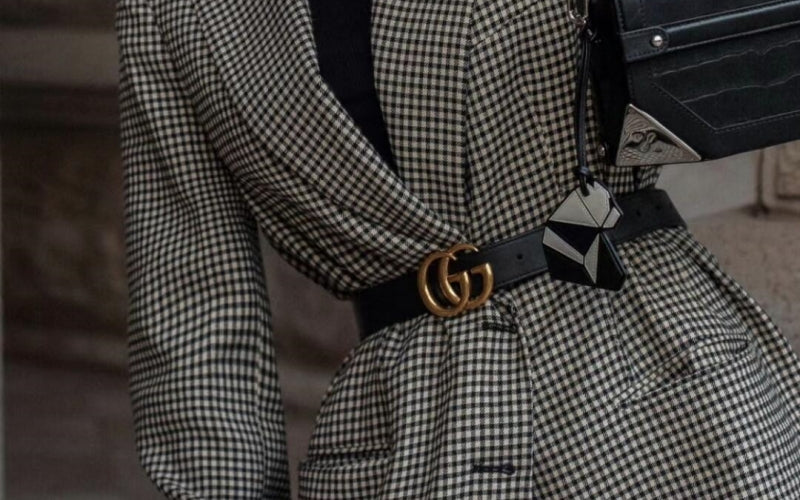
| Gucci | Calfskin, GG Supreme coated canvas | Brass, antiqued finish | $350–$790 |
| Bottega Veneta | Full-grain calfskin, Intrecciato woven | Solid metal, matte/brushed | $500–$900+ |
| Ferragamo | Full-grain calfskin | Brass with palladium or gold plating | $450–$600+ |
Hermès and Bottega Veneta lead in material quality across their entire belt range. Gucci and LV both offer canvas options alongside leather — meaning the material you get depends heavily on which specific belt you choose. For the full ranking, see our guide on the top 10 luxury belt brands in the world.
The Bottom Line
Most Louis Vuitton belts are not real leather — the Monogram and Damier lines that dominate LV belt sales are PVC-coated cotton canvas with a leather backing. LV's Epi, Taiga, and Taurillon lines are genuine calfskin and represent solid leather quality, but they're the minority of what LV sells and are often overshadowed by the logo-driven canvas models.
If you're spending $630+ on a belt, you deserve to know exactly what material you're getting — and whether that material justifies the price. For handcrafted belts in full-grain and exotic leathers with hardware that won't lose its finish, browse BELTLEY's exotic leather belts — real materials, no Brand Tax.
Frequently Asked Questions
Q: Are Louis Vuitton Monogram belts real leather?
No. The surface of a Louis Vuitton Monogram belt is PVC-coated cotton canvas — plastic-coated fabric, not leather. A thin strip of vachetta calfskin forms the backing and edges, but the visible front surface is synthetic.
Q: Which LV belt lines are 100% leather?
The Epi, Taiga, and Taurillon lines are 100% calfskin leather. These belts use various surface treatments (textured, grained, smooth) but the base material is genuine animal hide, not coated canvas.
Q: Is Louis Vuitton canvas durable?
Yes — PVC-coated canvas is scratch-resistant, water-resistant, and holds its shape well. However, the PVC coating can crack or peel after 2–3 years of daily wear, and the material doesn't breathe, which can cause odor issues from trapped sweat. Full-grain leather outlasts coated canvas in long-term durability.
Q: How long do Louis Vuitton belts last?
Canvas LV belts typically last 5–7 years with careful use. The all-leather lines (Epi, Taiga) last longer — 7–10+ years with proper care. For comparison, a full-grain leather belt from a quality artisan can last 10–20 years.
Q: Why are LV belts so expensive if they use coated canvas?
The price reflects the Louis Vuitton brand, the Monogram pattern's cultural value, and the distribution costs of operating 500+ retail stores worldwide. The material cost of PVC-coated canvas is a small fraction of the retail price. This is what the industry calls the "Brand Tax."
Q: Are Louis Vuitton belts still in style in 2026?
Yes — the LV Initiales belt remains one of the most recognizable designer belts globally. However, the broader 2026 trend leans toward quiet luxury and subtlety, which favors LV's understated leather lines (Epi, Taiga) over the Monogram canvas. See our full analysis on whether Louis Vuitton belts are still in style.