Are Coach Belts Made in China or the USA? (Unpacking Global Manufacturing)
TL;DR: Quick Answer
- Most Coach belts are made in China, Vietnam, Cambodia, and the Philippines — not the United States. Less than 5% of Coach products are still produced domestically.
- Coach shifted manufacturing overseas in the mid-1990s. Parent company Tapestry's SEC filings confirm Southeast Asia as the primary production hub as of 2025.
- The "Made in China" label doesn't automatically mean poor quality, but it does raise questions about leather grade, construction methods, and what you're actually paying for at Coach's price point.

You picked up a Coach belt, flipped it over, and saw "Made in China." Now you're wondering — is that normal? Does it mean the belt is lower quality? And does Coach still make anything in America?
These are fair questions. Coach built its reputation on American-made leather goods, so seeing overseas manufacturing labels can feel like a disconnect. This guide breaks down exactly where Coach belts are manufactured, what leather grades they use, and how their production model compares to handcrafted alternatives. If you've been comparing designer belt brands and wondering where your money actually goes, this is the breakdown you need.

Are Coach Belts Made in China?
Yes — a significant portion of Coach belts are manufactured in China. Coach's parent company, Tapestry Inc., operates a global supply chain that sources production from multiple countries, with China historically handling roughly 60% of accessories output including belts.
However, Tapestry's fiscal 2025 SEC filing shows a shift. Vietnam has become the largest manufacturing hub, with Cambodia, the Philippines, and Indonesia also handling major production volumes. China's share has decreased as Tapestry diversifies its supply chain across Southeast Asia.
So if your Coach belt says "Made in China," it's genuine. If it says "Made in Vietnam" or "Made in Cambodia," that's equally legitimate. The manufacturing label reflects Coach's global production network — not a quality issue by itself.

Does Coach Still Make Belts in the USA?
Coach produces a very small number of products in the United States — primarily heritage re-editions, custom orders, and limited-edition pieces crafted in their New York studio. These American-made items use Horween leather from Chicago, one of the oldest tanneries in the country, and are hand-stitched by domestic artisans.
But these represent less than 5% of Coach's total production. The belt you're holding at Macy's, Nordstrom, or Coach.com was almost certainly made overseas. Coach made the strategic decision to move manufacturing abroad in the mid-1990s — a shift that began in 1996 when the brand reorganized production to countries including China, India, and Turkey, according to historical reporting on Coach's supply chain evolution.

Where Exactly Are Coach Belts Manufactured?
Here's the current breakdown of Coach's global manufacturing footprint, based on Tapestry's public filings and supplier disclosures:
| Country | Role in Coach Production |
|---|---|
| Vietnam | Largest hub — handles most bags, belts, and accessories |
| Cambodia | Major production site for leather goods |
| Philippines | Leather goods craftsmanship and assembly |
| Indonesia | Part of diversified supply chain |
| China | Reduced share, still handles some accessories |
| India | Mid-tier collections and seasonal items |
| USA | Heritage re-editions, custom/limited pieces (<5%) |
This is standard for the "accessible luxury" tier. Brands like Michael Kors, Kate Spade (also owned by Tapestry), and Tory Burch use similar multi-country production models. The real question isn't where a belt is made — it's how it's made and what leather goes into it.

What Leather Does Coach Use in Their Belts?
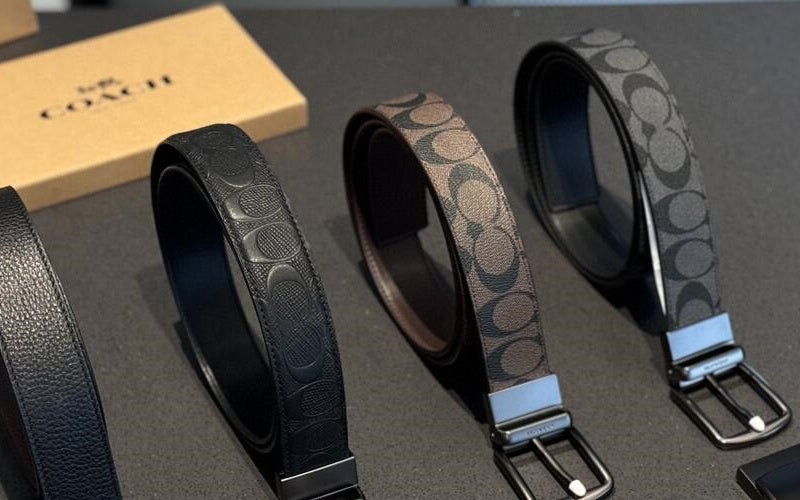
Coach uses three primary leather grades across its belt line: full-grain (premium), top-grain (standard), and corrected-grain (entry-level). Understanding the difference matters more than the country-of-origin label on the back.
- Full-grain leather appears in heritage and premium collections. It retains the hide's natural surface, including grain variations and minor character marks. This is the same grade used in heirloom-quality belts that age beautifully over decades.
- Top-grain leather covers most current-season Coach styles. The outermost layer is lightly sanded to remove imperfections, then coated with a thin protective finish. It looks cleaner but sacrifices some of the natural grain character and long-term patina development.
- Corrected-grain leather shows up in outlet and discount channels. According to leather identification guides, corrected-grain hides are buffed and embossed to mask imperfections, often feeling plasticky and developing white stress lines at fold points over time.
The takeaway: not all Coach belts use the same leather. A $78 Coach outlet belt and a $198 Coach mainline belt may carry the same logo but use fundamentally different materials. If you care about leather quality, check the specific product description — not just the brand name.

Does "Made in China" Mean Lower Quality?
No — the manufacturing country alone doesn't determine quality. China produces everything from $2 fast-fashion belts to components for Hermès and Louis Vuitton. The variable is the factory's standards, the materials supplied, and the quality control process.
Coach enforces consistent quality specifications across all its factories, according to Hoplok Leather's analysis of Coach manufacturing. The leather is sourced primarily from tanneries in the United States and Italy, then shipped to assembly facilities overseas. So the raw material often starts in America even when the finished product doesn't.
That said, there's a meaningful difference between assembled overseas with quality materials and handcrafted by a single artisan from start to finish. Mass production — regardless of country — involves division of labor, machine stitching, and standardized processes. Handcrafted production means one artisan handles cutting, stitching, edge finishing, and hardware attachment on each individual belt. The result is tighter tolerances, more durable construction, and a product that develops character rather than wear marks.

How Coach's Production Model Affects What You Pay
Here's what few people consider: when you buy a Coach belt, a significant portion of the price covers brand licensing, retail markups, and marketing — not materials or labor.
Milo Leather's 2026 manufacturing guide notes that offshore production allows Coach to maintain high margins while keeping retail prices in the "accessible luxury" range of $68–$198 for belts. The actual production cost of a mass-manufactured belt — even one using decent top-grain leather — represents a fraction of the retail price.
This is the Brand Tax in action: you're paying for the Coach name on the buckle, the retail store experience, and the marketing campaigns that keep the brand visible. The leather itself, the hardware, and the labor are a supporting line item.
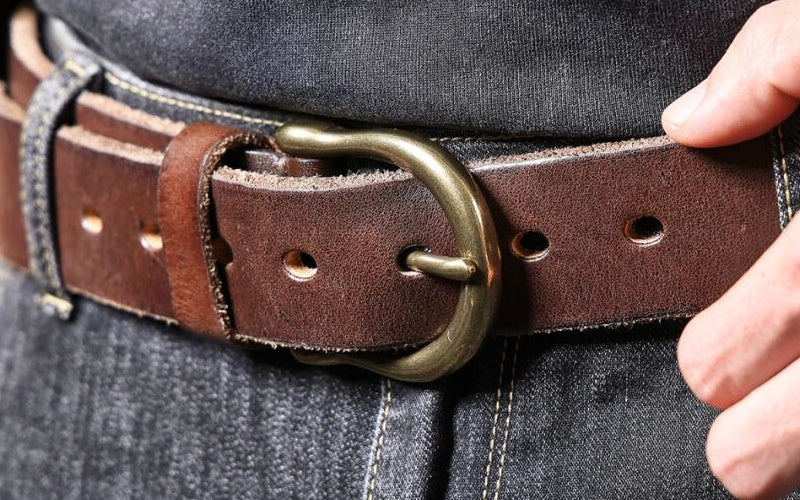
At BELTLEY, we built our model around the opposite philosophy. Every belt is handcrafted in small batches using full-grain leather and stainless steel buckles — the same materials you'd find in products costing 3-4x more at designer retail. Our DTC approach eliminates middlemen and Brand Tax entirely, which is why a BELTLEY belt comes with a 10-year warranty and still prices below most Coach mainline offerings.

The Bottom Line
Most Coach belts are made in China, Vietnam, Cambodia, and other Southeast Asian countries. Less than 5% of Coach products are still manufactured in the USA. This doesn't automatically mean poor quality — Coach maintains consistent production standards globally — but it does mean you're paying a significant Brand Tax for the Coach name rather than for materials and craftsmanship alone.
If you value full-grain leather, handcrafted construction, and transparent pricing, explore BELTLEY's designer belt collection and handmade belt collection. Every piece is backed by a 10-year warranty, free worldwide shipping, and 30-day hassle-free returns — because premium quality shouldn't require a premium markup.
Frequently Asked Questions
Q: Are Coach belts made in China real?
Yes. Authentic Coach belts manufactured in China are genuine products. Coach's parent company, Tapestry Inc., operates authorized factories across China, Vietnam, Cambodia, and other countries. A "Made in China" label on a Coach belt purchased from an authorized retailer confirms it's a legitimate product, not a counterfeit.
Q: When did Coach stop making products in the USA?
Coach began shifting manufacturing overseas in 1996. By the early 2000s, the majority of production had moved to China and other Asian countries. Today, less than 5% of Coach products are made in the United States — primarily heritage re-editions and limited custom pieces.
Q: What leather do Coach belts use?
Coach uses three leather grades: full-grain (premium collections), top-grain (most mainline products), and corrected-grain (outlet and discount items). The leather is primarily sourced from tanneries in the United States and Italy, then shipped to overseas factories for assembly.
Q: Are Coach belts worth the price?
That depends on what you value. Coach mainline belts ($98–$198) use decent top-grain leather and consistent construction. However, a significant portion of the price covers brand marketing and retail overhead rather than materials. For the same budget, handcrafted full-grain leather belts from DTC brands often deliver superior materials and construction.
Q: How can you tell if a Coach belt is real vs fake?
Check the stitching (even, consistent spacing), the leather smell (genuine leather has a rich, natural scent), the hardware weight (authentic Coach uses solid metal, not hollow), and the serial number stamped inside. Purchase only from authorized retailers — Coach.com, department stores, or Coach retail outlets.
Q: Are Coach outlet belts the same quality as mainline?
No. Coach outlet products are typically manufactured separately using different — often lower-grade — materials. Outlet belts frequently use corrected-grain leather rather than the top-grain or full-grain leather found in mainline collections. You can identify outlet items by the "F" prefix in the style number.