Should Belt Match Cowboy Boots? The Western Style Rule Explained
TL;DR: Quick Answer and main takeaways
- Yes — in traditional western style, the belt matches the boot in both leather color and hardware finish. Brown boots with brown belt. Black boots with black belt. Gold hardware on boots with gold buckle on belt.
- "Match" doesn't mean identical — same color family and tone is the goal, not an exact replica.
- Tonal contrast within the same color family (tan belt with chocolate boots) is an accepted modern variation. Crossing color families (black belt with brown boots) is still the most common western style mistake.

The western dress code has always been more systematic than it looks from the outside. Hats, boots, belts, and buckles are meant to work as a unified set — and the belt-to-boot relationship is one of the clearest coordination rules in the whole tradition. It predates modern "style rules" by decades: when working cowboys needed durable leather gear that survived ranch work, matching the belt leather to the boot leather wasn't an aesthetic choice, it was practical. The same tannery, the same hide, the same finish.
That practical origin is why the rule still holds. The aesthetic logic is identical to the shoe-belt coordination rule in dress wear — the belt and the boots bracket the outfit, and when they share the same leather family, the whole look reads as coherent and intentional.

What Should You Pair with Your Boots?
Check your boots, find your belt:
| Your situation | Go with |
|---|---|
| Classic brown leather boots | Brown belt in the same tone family — tan-to-chocolate range is all fair game. |
| Black boots, silver hardware | Black belt, silver buckle. Western tradition is strict here. |
| Exotic boots (caiman, ostrich, snake) | Match the leather type if you can — a croc belt with caiman boots is the full Western flex. BELTLEY croc runs $118–$289. |
| City outfit, just one Western piece | Let the boots be it. A plain leather belt keeps the look modern instead of costume. |
Exotic straps that hold their own next to good boots: BELTLEY's exotic collection.
Should Your Belt Match Your Cowboy Boots?
Yes — in western and country-style dressing, the belt should match the boots in leather color and hardware finish. Brown boots pair with a brown belt; black boots with a black belt. The buckle metal should also align: silver hardware on the boots calls for a silver buckle, gold hardware calls for gold. This is the foundational rule of western accessory coordination, and it applies whether you're dressed for a rodeo, a country concert, a western wedding, or a night out in Nashville.
Langston's guide to accessorizing cowboy boots describes this as the cornerstone of western outfit cohesion: when the belt and boots share the same leather tone, the eye reads the outfit as a deliberate system rather than a collection of separate pieces. The coordination doesn't have to be an exact shade match — it has to be a family match.

What "Match" Actually Means in Western Style
The word "match" does a lot of work here, and it's worth unpacking. In western style, matching the belt to the boots means matching in color family and approximate tone — not hunting for the exact same hide dye from the exact same manufacturer.
Same family: Black belt with black boots. Brown belt with brown boots. Tan belt with tan boots. These are the three primary pairings that work in virtually every western outfit combination.
Same tone (within the family): If your boots are a rich, deep mahogany brown, a belt in the same dark-brown range looks intentional and coordinated. If your boots are a lighter saddle tan, a belt in a similar honey or camel tone complements them cleanly. Cuadra's guide to matching belts and cowboy boots makes this distinction clearly: tone harmony within the brown family matters more than chasing the exact shade. A rich honey belt with dark chocolate boots reads as a deliberate tonal contrast within the family — sophisticated, not sloppy.
Finish consistency: Matte boots with matte belt reads as a cohesive pair. Polished boots with a polished belt matches in sheen as well as color. Mixing a high-gloss belt with heavily distressed boots introduces a finish conflict that color-matching alone won't resolve.
The one thing "match" never means in western style: exact replica. Wearing the same belt and boots is a costume, not an outfit. Close in tone and family — not identical.

Does the Belt Buckle Have to Match the Boot Hardware?
Yes — the buckle metal should match the hardware finish on your boots. Silver buckle with silver boot toe caps, spur straps, and heel caps. Gold or brass buckle with gold or brass boot hardware. Mixing metal finishes in a western outfit is more visible than in standard dress wear because western boots often carry decorative hardware that's prominently displayed, making a buckle-to-hardware conflict immediately noticeable.
This is one area where western style is more strict than standard dress wear, not less. Little's Boots' guide to cowboy boot accessory matching identifies hardware consistency as one of the first things experienced western dressers notice — and one of the first things that signals someone is new to the aesthetic. The buckle is the focal point of the belt, and the boot hardware is the focal point of the footwear; when they speak the same metal language, the whole outfit coordinates.
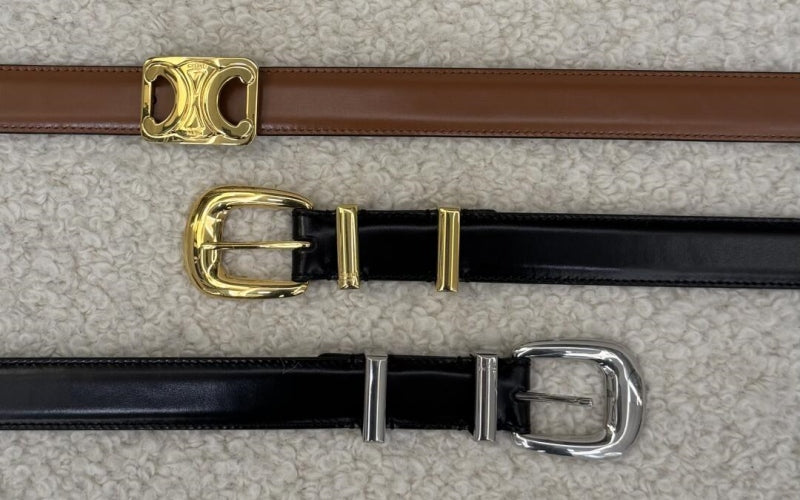
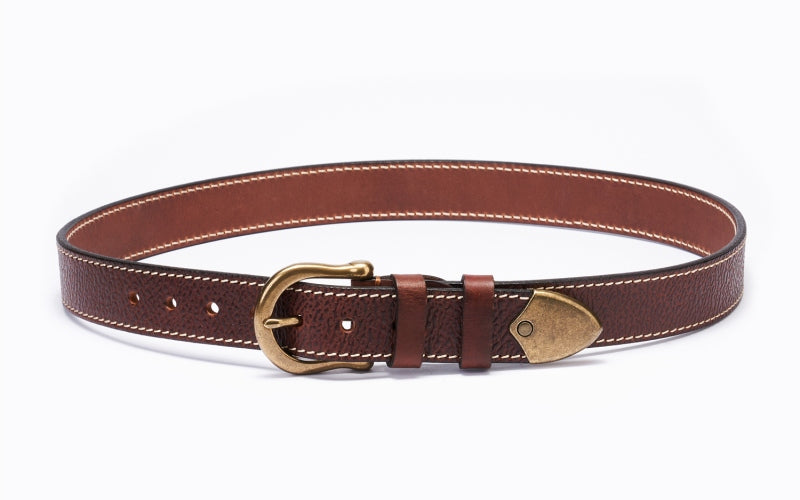
For buckle selection: a larger, decorative western plate buckle or concho buckle in silver matches traditional silver-tipped boots. A classic bar buckle in brass or antique gold suits brown or tan leather boots with warm hardware. Our unique buckle belt collection includes western-style hardware in both silver and gold finishes — the hardware is 316L stainless steel, which holds its finish without tarnishing or corroding the way plated zinc does after a season or two.

What About Exotic Leather Boots — Ostrich, Snakeskin, Caiman?
Exotic leather boots raise a specific question: does the belt need to be in the same exotic leather to match, or can a smooth leather belt coordinate with a patterned exotic boot?
The short answer: you don't need matching exotic leathers, but you do need color and tone coordination. From the Guest Room's breakdown of belt-boot matching addresses this directly — a full-grain leather belt in the same color family as exotic boots reads as cohesive because the color relationship holds even when the texture differs. A smooth cognac leather belt with cognac ostrich boots works well. A snakeskin-print belt with snakeskin boots can feel costume-like if overdone; the safer choice is a complementary smooth leather in the same tone.
That said, for the most elevated western look, pairing exotic leather accessories is a recognized approach. An ostrich belt with ostrich boots, both in the same honey-brown tone, communicates a level of deliberateness that a smooth leather belt with the same boots doesn't quite achieve. BELTLEY's exotic leather belt collection — which includes python, elephant, and other exotic hides — covers this territory for those building a fully matched set.
The rule for exotic pairings: match color and tone first. The texture coordination is secondary. A color mismatch in exotics reads worse than a texture mismatch because the eye resolves texture differences in context, but color conflicts jump immediately.

When Can You Break the Matching Rule?
You can break the belt-boot matching rule in two specific scenarios: deliberate tonal contrast within the same color family, and fashion-forward outfits where the belt is explicitly a contrast accent. Both require the deviation to be clearly intentional — the further you move from the matching convention, the more the overall outfit needs to justify it.
Tonal contrast (same family): A tan or honey belt with dark chocolate boots is a recognized modern western variation that communicates style awareness. Both are in the brown family; the contrast is deliberate and visible. This works because the color relationship is still coherent — you've varied the tone, not abandoned the system. It reads as confident rather than confused.
Contrast accent (different family): A black belt with brown boots or a brown belt with black boots is the classic western style mistake in traditional contexts. In fashion-forward urban western or "western-inspired" outfits where the boots are a styling element rather than part of a full western ensemble, more mixing is accepted. If you're wearing cowboy boots with a blazer and trousers in a non-western context, the dress-wear belt-shoe rule (match to the leather family) still applies — a black belt with black boots, or brown belt with brown boots.
For a broader view of when western belts work and how the style has evolved in 2026, our post on are western belts in style covers the trend context in detail.
The Bottom Line
Yes — your belt should match your cowboy boots in leather color family and hardware metal finish. Brown boots with brown belt and matching buckle metal. Black boots with black belt and matching metal. The match doesn't need to be exact in shade, but it needs to be in the same color family with a consistent tone and finish. Hardware is not optional: silver boots call for a silver buckle, gold hardware calls for gold.
The one modern variation that works: tonal contrast within the same family (tan belt with dark brown boots) reads as deliberate and stylish. Crossing color families never does.
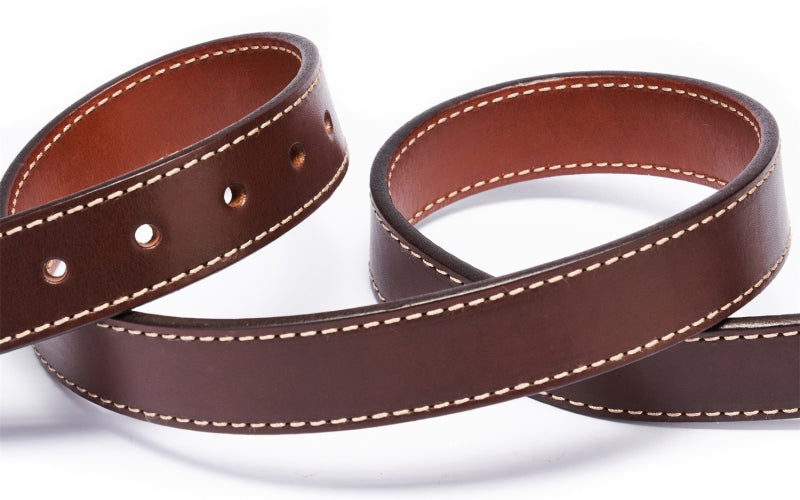
At BELTLEY, we've been handcrafting leather belts since 1999 — including western-width straps in full-grain leather built to the proportions that cowboy boots actually need (1.5" to 1.75", with enough body to carry decorative buckle hardware without folding or stretching). Every buckle uses 316L stainless steel in the finish that holds up whether you're on a horse or on a dance floor. Browse men's leather belts or the women's belt collection to find the right color and width for the boots you already own — and check our dedicated guide on does my belt have to match my boots for the full picture across every boot style.

Frequently Asked Questions
Q: Should a belt match cowboy boots?
Yes — in western style, the belt should match the boots in leather color family (brown with brown, black with black) and hardware finish (silver buckle with silver boot hardware, gold with gold). "Match" means same color family and approximate tone — not an exact shade replica. Tonal variation within the same family (tan belt with dark brown boots) is an accepted modern approach.
Q: What color belt goes with brown cowboy boots?
A brown belt in a complementary tone — honey, cognac, saddle tan, or dark espresso depending on the boot's shade. For medium or dark brown boots, a cognac or espresso belt in the same tonal range is the cleanest match. A tan or honey belt creates acceptable tonal contrast if the overall look calls for it. Avoid black, which crosses leather families in a traditional western context.
Q: Do belt buckles have to match boot hardware?
Yes — the buckle metal should match the hardware finish on the boots. Silver or chrome boot hardware calls for a silver buckle; gold or brass boot hardware calls for a gold or brass buckle. Mixing metal finishes is one of the most visible coordination errors in western dressing because boot hardware is prominently decorative.
Q: Can you wear a black belt with brown cowboy boots?
In traditional western style, no — black belt with brown boots crosses leather color families and reads as a mismatch. In fashion-forward urban western or non-western outfits where cowboy boots are a style element, more mixing is accepted. If you're wearing cowboy boots as part of a full western look, stay within the same color family.
Q: Does the belt need to be the same leather as the boots?
No — the belt doesn't need to be in the same leather type (ostrich belt with ostrich boots), but the color family and tone should coordinate. A smooth cognac leather belt with cognac ostrich boots works well because the color relationship is correct. Matching exotic leathers is a higher-end approach that looks especially coordinated, but color harmony is always the priority.