Gucci vs Fendi Belt: Double G or FF — Which Wins?
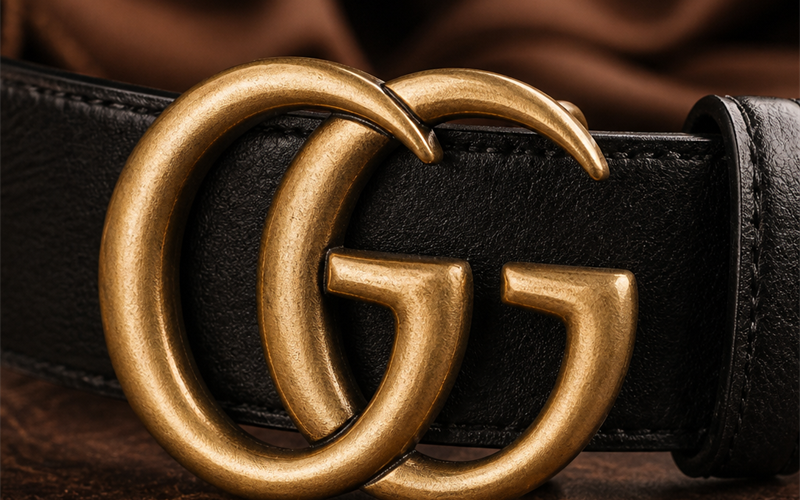
Quick answer: Both are Italian logo belts, but they read differently. Gucci's Double G (Interlocking G) buckle is the bolder, more globally recognized statement — a heavy antiqued-brass icon from Florence, built on full-grain calfskin with exceptional Tuscan construction. Fendi's FF (Zucca) buckle, designed by Karl Lagerfeld, is the cleaner, more architectural Roman take — often reversible, with a flatter stud-closure buckle that's comfortable all day and made from Fendi's signature Roman Leather. Choose Gucci for louder recognition; choose Fendi for a sleeker, reversible, slightly more refined logo belt.
Last updated: June 2026 • By BELTLEY
TL;DR:
- Gucci — bold Double G buckle, heavy antiqued brass, Florentine, globally recognized statement.
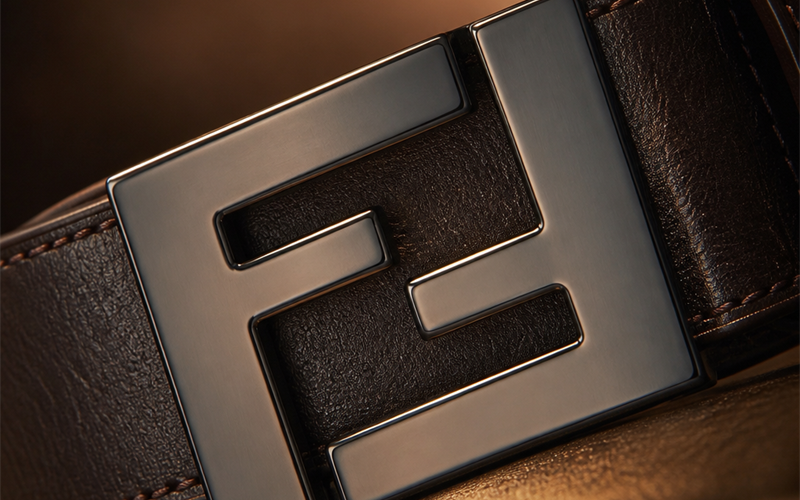
- Fendi — FF (Zucca) buckle by Lagerfeld, Roman, often reversible, flatter stud-closure profile.
- Most recognizable / loudest: Gucci — the Double G is everywhere.
- Sleeker / more reversible: Fendi — cleaner buckle, two-in-one straps.
- Both are premium Italian leather (Gucci calfskin, Fendi Cuoio Romano) — quality is high on each.
- Pick by signal: maximum brand recognition (Gucci) vs refined, comfortable, reversible design (Fendi).
This is the Italian logo-belt derby. Gucci and Fendi both put a famous double-letter monogram front and center, both come from storied Italian houses, and both land in similar price territory. But they aren't the same belt: Gucci's Double G is the louder, more universally known icon, while Fendi's FF is the cleaner, more design-led, reversible option. So the real question isn't quality — both are genuinely well made — it's which logo and which wearing experience suits you. Here's the full breakdown. For the broader lineup, see what designer belt should I buy.
Gucci vs Fendi: Which Belt Should You Choose?
Match what you want to the brand.

| What you want | Go with |
|---|---|
| The most recognizable logo belt | Gucci — the Double G |
| A bold, statement centerpiece | Gucci |
| A cleaner, more architectural buckle | Fendi — the FF stud closure |
| Reversible two-in-one versatility | Fendi — signature reversible straps |
| A flatter, all-day-comfortable buckle | Fendi — stud profile, no bulky pin |
| Maximum global brand recognition | Gucci |
If Gucci's own lineup is what you're sorting out, see Gucci Marmont vs Interlocking G belt and which Gucci belt is most popular.
What defines a Gucci belt?
A Gucci belt is defined by its Double G (Interlocking G) buckle — a heavy, antiqued-brass logo that's one of the most recognized in fashion — paired with full-grain calfskin or signature canvas. Made in Tuscan workshops, it's the bold, statement-making, globally known logo belt.
Gucci's buckle is the whole point. It's "typically crafted from antiqued brass, offering a heavy, substantial feel," paired with "heat-stamped leather or signature canvas" for "a bold fashion statement." The construction is genuinely high-grade — Tuscan-made on quality calfskin — but what you're really buying is recognition: the Interlocking G reads instantly, across a room, in any country. That makes Gucci the choice when you want the belt to be seen and the brand to register at a glance. For why that buckle commands its price, see why are Gucci belts so expensive.
What defines a Fendi belt?
A Fendi belt is defined by its FF (Zucca) buckle — the double-F monogram designed by Karl Lagerfeld — and by a cleaner, often reversible construction in Fendi's signature Roman Leather. Its flatter stud-closure buckle sits more comfortably than a traditional pin, making it a sleeker, more architectural take on the logo belt.

Fendi's approach is more refined and design-led. The brand is famous for "Roman Leather (Cuoio Romano), which has a distinct pebble grain and soft hand-feel," and its "stud-closure buckles offer a cleaner, flatter profile than traditional pin buckles, making them comfortable for all-day wear." Many models are reversible, flipping between the FF signature and a grained-leather side — two looks in one. The FF logo itself carries serious design pedigree, created by Lagerfeld during his long tenure shaping Fendi. It's the logo belt for someone who wants the brand signal with a sleeker, more comfortable, more versatile execution.
A tale of two Italian houses
Both brands are Italian icons, but they grew from different cities and different crafts — and that history shapes the belts.
Gucci was founded in Florence in 1921, the heart of Italian leather, and built its name on leather goods before becoming a global fashion-status powerhouse. Its modern identity is loud by design: through eras like the Tom Ford 1990s revival and the maximalist Alessandro Michele years, the Double G became a red-carpet and streetwear staple. Gucci's whole modern pull is being recognized — the Interlocking G is meant to be a statement, instantly readable as the brand.
Fendi was founded in Rome in 1925 by Adele and Edoardo Fendi as a fur and leather house, and craftsmanship has run through the family for generations — the same heritage that produced the Baguette, drawn from a grandmother's "collection of beautiful beaded handbags from the 1920s and '30s." The FF logo arrived later, designed by Karl Lagerfeld during his decades shaping the house, and it became shorthand for Fendi's blend of Roman craft and sharp design. Fendi is the more architectural, design-driven of the two — recognizable, but a touch more refined than loud.
So the contrast is Florentine boldness versus Roman refinement: Gucci sells maximum recognition; Fendi sells design-led, reversible, comfortable logo luxury. Same Italian leather pedigree, two different temperaments.
Gucci vs Fendi: side-by-side
Here's how the two stack up across what drives the decision:

| Feature | Gucci | Fendi |
|---|---|---|
| Signature buckle | Double G (Interlocking G) | FF (Zucca), by Lagerfeld |
| Buckle feel | Heavy antiqued brass | Flatter stud closure |
| Material | Full-grain calfskin / canvas | Roman Leather (Cuoio Romano) |
| Reversible | Less common | Signature feature |
| Vibe | Bold, loud, recognizable | Sleek, architectural, refined |
| City | Florence | Rome |
| Best for | Maximum brand recognition | Comfortable, reversible, design-led |
The pattern: same logo-belt category, two executions. Gucci is the louder, heavier, most-recognized statement; Fendi is the sleeker, reversible, more comfortable, design-driven take. Both are well-made Italian belts, so the choice is recognition versus refinement. The pedigree is genuine on both sides, from Fendi Roman craft to Gucci's Florentine leather legacy.
How do you style each belt?
Style a Gucci belt as the statement centerpiece — let the Double G anchor a cleaner outfit so the bold buckle pops. Style a Fendi belt as a sleeker logo accent that flexes between showing the FF and a discreet leather side, working across more outfits thanks to its reversibility.

Gucci wants the spotlight. The Double G reads best against simpler clothing that lets the buckle be the focal point — jeans and a plain tee, a monochrome look, a relaxed blazer fit. It's a fashion statement first, so it shines where the outfit is built to show the brand rather than blend it in. Wear it when you want the belt to be the conversation.
Fendi is the more flexible everyday piece. The flatter stud buckle sits comfortably under tucked shirting and tailoring, and the reversible strap means one belt covers an FF-logo side for statement looks and a grained-leather side for quieter ones. That versatility makes it easier to wear across business, smart-casual, and casual settings without committing to a loud logo every day. Flip it to match the moment.
The shorthand: Gucci to make a recognizable statement; Fendi for a sleeker, reversible logo belt you can dial up or down.
Which belt is better made?
Both are high-quality Italian belts, so neither is clearly "better made." Gucci uses full-grain calfskin with substantial antiqued-brass hardware from Tuscan workshops; Fendi uses its signature Roman Leather with a comfortable flat stud-closure buckle. The construction is excellent on each — the real difference is buckle feel and reversibility, not quality.
If you weigh hardware heft, Gucci's antiqued-brass Double G has a notably heavy, substantial presence. If you weigh wearing comfort and versatility, Fendi's flatter buckle and reversible straps win. Neither cuts corners on materials, so let feel and function decide: Gucci for a weighty, statement buckle; Fendi for a sleeker, comfortable, two-in-one design.
Which belt should you buy?
Buy Gucci if you want the most recognizable logo belt and a bold, heavy statement buckle. Buy Fendi if you want a sleeker, reversible, all-day-comfortable logo belt with serious design pedigree. Both are premium Italian belts — the choice is recognition versus refinement, not quality.

Be honest about what you want the belt to do. If maximum brand recognition is the goal, Gucci's Double G is unmatched. If you'd rather have a cleaner buckle, two-in-one reversibility, and a more architectural look, Fendi delivers. And here's the grounded footnote for both: at these prices you're paying largely for the logo and the brand, since the underlying leather is matched by less-flashy belts. If you love a clean buckle on real leather without the logo tax, a full-grain leather belt gives you that substance — and a reversible leather belt covers the two-looks-in-one appeal Fendi trades on.
The Bottom Line
Gucci and Fendi are two Italian answers to the logo belt, and they split on recognition versus refinement. Gucci's Double G is the louder, heavier, most globally recognized statement — antiqued brass on full-grain calfskin from Florence, built to be seen. Fendi's FF, designed by Karl Lagerfeld, is the sleeker, reversible, Rome-bred alternative — a flatter, more comfortable stud buckle on signature Roman Leather, with two looks in one. Choose Gucci for maximum recognition; choose Fendi for a refined, versatile, design-led logo belt. And if your real goal is a clean buckle on lasting leather without paying mostly for the monogram, a quality designer-style leather belt delivers the look and the substance. Pick recognition or refinement, then wear it with intent.
Frequently Asked Questions
Q: Is Gucci or Fendi a better belt?
Both are high-quality Italian logo belts, so neither is objectively better. Gucci suits those who want the most recognizable Double G statement and a heavy brass buckle. Fendi suits those who want a sleeker FF buckle, reversible versatility, and all-day comfort. The choice is recognition versus refinement, not craftsmanship.
Q: Are Fendi belts reversible?
Many Fendi belts are reversible, which is a signature feature. They flip between the FF (Zucca) logo side and a grained-leather side, giving two looks in one belt. Combined with the flatter, comfortable stud-closure buckle, that reversibility makes Fendi a versatile everyday logo belt.
Q: What is the FF logo on a Fendi belt?
The FF is Fendi's double-F "Zucca" monogram, designed by Karl Lagerfeld during his long tenure shaping the house. It became Fendi's signature logo, appearing on the belt buckle and canvas. It represents the brand's blend of Roman craftsmanship and sharp, architectural design.
Q: Is the Gucci Double G buckle heavy?
Yes. The Gucci Double G (Interlocking G) buckle is typically cast from antiqued brass, giving it a heavy, substantial feel. That weight is part of its bold, statement-making presence, and it pairs with full-grain calfskin or signature canvas for a recognizable, premium logo belt.
Q: Which is more comfortable, a Gucci or Fendi belt?
Fendi tends to be more comfortable for all-day wear because its stud-closure buckle has a cleaner, flatter profile than a traditional pin buckle, sitting more smoothly under clothing. Gucci's Double G buckle is heavier and more pronounced, which suits a statement look but is less low-profile than Fendi's design.
%20buckle%20is%20the%20bolder,%20more%20globally%20recognized%20statement%20%E2%80%94%20a%20heavy%20antiqued-brass%20icon%20from%20...)