Do Hermès Belt Buckles Scratch Easily? A Finish-by-Finish Guide
TL;DR: Quick Answer
- Yes — gold-plated Hermès buckles scratch easily. Gold rates just 2.5–3 on the Mohs hardness scale, and users report micro-scratches appearing within the first few weeks of regular wear.
- Palladium is significantly more scratch-resistant (4.75 Mohs), and brushed finishes hide marks better than polished ones.
- Hermès offers replating through their Paris atelier for approximately $85, but the scratching cycle will repeat with continued wear.
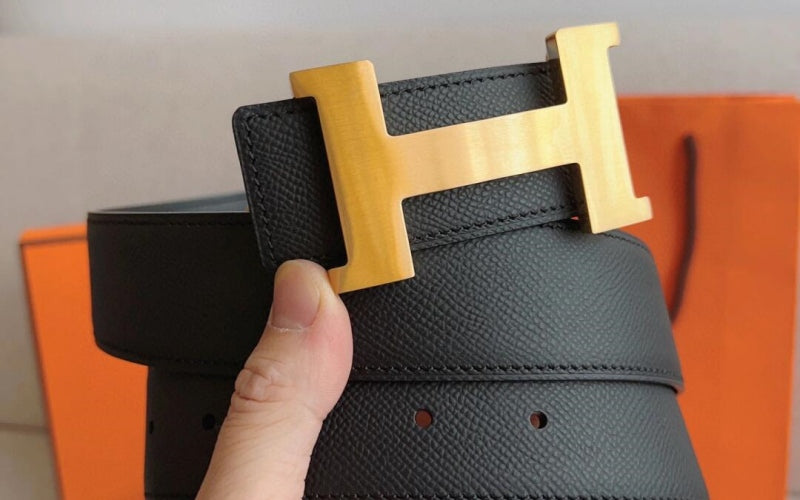
You've spent $800+ on an Hermès belt kit, and within a month the H buckle has its first visible scratch. It's a frustrating reality — and a common one.
Multiple PurseForum threads document owners discovering micro-scratches after just a handful of wears. The problem isn't that Hermès makes poor hardware.
The problem is the material itself: gold-plated brass is inherently soft. This guide breaks down exactly how scratch-prone each Hermès finish is, what you can do to prevent damage, and what repair options exist.

Do Hermès Gold-Plated Buckles Scratch Easily?
Yes — gold-plated Hermès buckles are highly susceptible to scratching. Gold is one of the softest metals used in accessories, rating just 2.5–3 on the Mohs hardness scale. Even household dust contains quartz particles (Mohs 7) that can abrade the surface. Routine contact with belt loops, clothing hardware, and hard surfaces creates visible marks quickly.
The gold plating on authentic Hermès buckles is approximately 3 microns thick — thicker than most fashion hardware but still a microscopic layer. When scratches cut through this plating, they reveal the brass base metal underneath, creating a two-tone effect that's especially noticeable on polished finishes. Users on PurseForum report that polished gold buckles show hairline scratches within the first few weeks of daily wear, with visible brass exposure appearing after months of regular use.
This isn't unique to Hermès — every luxury brand using gold-plated brass faces the same physics. Gucci, Louis Vuitton, and Ferragamo hardware all scratch at similar rates because they use the same base materials and plating methods.

Scratch Resistance by Hermès Finish
Not all Hermès finishes perform equally. Here's how each option compares on scratch resistance:
| Finish | Mohs Hardness | Scratch Resistance | Best For |
|---|---|---|---|
| Gold plated (polished) | 2.5–3 | Very low — shows every mark | Occasional wear, display |
| Gold plated (brushed) | 2.5–3 | Same scratch rate, but marks less visible | Daily wear — hides blemishes |
| Palladium (polished) | 4.75 | Moderate — noticeably harder than gold | Regular wear with care |
| Palladium (brushed) | 4.75 | Best standard option — harder + hides marks | Daily wear — most practical |
| Permabrass | ~3–3.5 | Slightly better than gold; warm tone ages gracefully | Versatile daily option |
| PVD matt black | 7–9 (Vickers: 1,500–4,500) | Excellent — hardest Hermès finish available | Heavy daily wear |
| 316L stainless steel (comparison) | 6.5 | Very high — 2.5x harder than gold | Zero-maintenance daily wear |
The data tells a clear story: palladium brushed is the most practical Hermès finish for daily wear, and PVD is the most durable overall. Gold polished — arguably the most popular option — is also the most fragile.
For context, 316L stainless steel at Mohs 6.5 sits between palladium and PVD on the hardness scale. It's the same grade used in surgical instruments and marine hardware, and it doesn't rely on plating for its appearance — meaning there's no coating to scratch through.
Should You Choose Brushed or Polished Hardware?
Brushed finishes hide scratches significantly better than polished ones. The directional texture created during brushing diffuses light across the surface, making minor abrasions blend into the overall pattern rather than catching light as individual marks. Polished hardware acts like a mirror — every hairline scratch is visible.
Multiple luxury hardware guides recommend brushed hardware for anyone who plans to wear their belt regularly rather than keeping it for special occasions. The trade-off is aesthetic: polished hardware has a more dramatic, high-shine look that many buyers prefer visually.
There's one caveat with brushed finishes: deep scratches can actually stand out more on a brushed surface because they disrupt the uniform directional pattern. Brushed hardware excels at hiding the everyday micro-scratches from normal wear but isn't immune to significant impacts or sharp contact.
If you're choosing between gold and palladium in brushed, brushed palladium is the most forgiving combination — harder metal plus scratch-concealing texture. It's the finish luxury resale experts most often recommend for daily-wear Hermès belts.

How to Prevent Scratches on Your Hermès Buckle
You can't eliminate scratching on gold or palladium hardware — the metals are simply too soft. But you can slow the process considerably:
- Store the buckle in its dust bag when not wearing it. Loose buckles in a drawer will contact other objects and scratch.
- Keep it away from stone surfaces. Setting your belt on a granite countertop or marble vanity is one of the fastest ways to mark the buckle.
- Wipe with a soft microfiber cloth after each wear. This removes dust particles (which contain abrasive quartz) before they grind into the surface.
- Avoid moisture contact. Sweat, perfume, and water accelerate plating degradation. If the buckle gets wet, dry it immediately with a soft cloth.
- Rotate your belts. Using the same belt daily compounds wear. Even two belts in rotation gives each one more recovery time — the same principle that extends leather belt durability.
- Be gentle when buckling. The moment of threading the strap through the buckle is when most contact scratches occur. Slow, deliberate motions reduce friction.
None of these steps will keep a gold-plated buckle pristine indefinitely. They'll delay visible wear from weeks to months — but the underlying softness of the metal remains the limiting factor.

Can You Fix a Scratched Hermès Buckle?
Yes — but options are limited and none are permanent:
| Repair Option | Cost | What It Does | Caveat |
|---|---|---|---|
| Hermès replating (Paris atelier) | ~$85 | Strips old plating, applies fresh layer | Takes weeks–months; scratching will recur |
| Hermès buckle replacement | ~$80 | Brand new buckle (if style is in stock) | Availability varies; older models may be discontinued |
| Hermès full refurbishing | ~30% of retail | Comprehensive restoration of buckle + strap | Most expensive option; best for severely worn kits |
| DIY polishing cloth | $5–15 | Buffs very minor surface marks | Risky on plated finishes — can strip plating further |
The replating service is Hermès' standard solution. You bring the buckle to any boutique, and they send it to the Paris workshop for re-electroplating. The result is a buckle that looks factory-fresh — until the new plating begins scratching again. It's an ongoing maintenance cycle inherent to the material.
Avoid aggressive DIY approaches. Quora threads suggest toothpaste, baking soda, or metal polish — all of which are abrasive enough to strip the thin gold plating entirely, leaving you with a bare brass buckle. If the scratch bothers you enough to fix, use the official Hermès service.
How Does Hermès Buckle Hardness Compare to Stainless Steel?
This is the comparison most luxury belt buyers never see. Hermès uses gold-plated brass — a soft combination that looks beautiful but scratches easily. The alternative is a buckle material that doesn't need plating at all.
| Property | Gold-Plated Brass (Hermès) | 316L Stainless Steel |
|---|---|---|
| Mohs hardness | 2.5–3 (gold layer) | 6.5 |
| Scratch resistance | Low — marks within weeks | High — resists daily abrasion |
| Plating required | Yes — and it wears through | No — color is the material itself |
| Maintenance | Regular cleaning; periodic replating (~$85) | Occasional polish with a soft cloth |
| Corrosion resistance | Plating protects temporarily; brass tarnishes when exposed | Naturally corrosion-resistant indefinitely |
| Hypoallergenic | No (brass/nickel content) | Yes (medical-grade 316L) |
At BELTLEY, we use 316L stainless steel for our belt buckles because the material eliminates the scratch-and-replate cycle entirely. The buckle looks the same after five years of daily wear as it did on day one — no plating to lose, no brass to expose, no $85 replating trips. Combined with full-grain leather straps and a 10-year warranty, it's a fundamentally different approach to belt hardware durability.

The Bottom Line
Hermès belt buckles do scratch easily — particularly gold-plated polished finishes, which show marks within weeks of regular wear. Palladium is harder and more forgiving, and brushed finishes hide minor scratches better than polished ones. PVD coating is the most durable Hermès option but limited to specific collections.
Hermès offers replating for ~$85, but the cycle repeats because the underlying materials remain soft. The scratching problem isn't a quality defect — it's a physical property of gold and palladium plating over brass.
If scratch resistance matters to you, either choose brushed palladium within the Hermès ecosystem, or consider 316L stainless steel buckle belts that skip the plating problem altogether — no maintenance, no replating, and a 10-year warranty backing the hardware.
Frequently Asked Questions
Q: How quickly do Hermès buckles start showing scratches?
Gold-plated polished buckles can show micro-scratches within the first few weeks of daily wear. Palladium polished finishes typically hold up for a few months before showing visible marks. Brushed finishes in either metal develop scratches at the same rate, but the directional texture makes them far less noticeable.
Q: Is palladium or gold better for Hermès belt hardware?
For durability, palladium is clearly better. It's almost twice as hard as gold on the Mohs scale (4.75 vs. 2.5–3), naturally tarnish-resistant, and hypoallergenic. Gold offers a warmer, more traditional luxury aesthetic. If daily wear is the priority, palladium — especially brushed palladium — is the stronger choice.
Q: Can toothpaste remove scratches from an Hermès buckle?
No — do not use toothpaste, baking soda, or any abrasive household product on a gold-plated buckle. These substances will strip the thin plating layer, exposing the brass underneath and making the damage worse. For minor surface marks, use only a soft microfiber cloth. For deeper scratches, use the Hermès replating service.
Q: How much does Hermès charge to fix a scratched buckle?
Hermès charges approximately $85 for replating (sent to their Paris workshop) or ~$80 for a full buckle replacement if the model is still in production. Full refurbishment of a belt kit costs roughly 30% of the original retail price. Bring the buckle to any Hermès boutique to initiate the process.
Q: Does the Hermès PVD finish scratch?
PVD (Physical Vapor Deposition) coating is Hermès' most scratch-resistant finish, reaching 1,500–4,500 on the Vickers hardness scale — 10–20x harder than gold plating. PVD-finished buckles are highly resistant to scratching and corrosion. The trade-off: PVD cannot be easily replated or repaired if damaged, and it's only available on limited collections like So Black.
Q: Why do luxury belt buckles scratch so easily?
Because luxury brands prioritize the warm, rich appearance of gold and palladium plating over durability. Both metals are inherently soft. This is a deliberate aesthetic choice, not a manufacturing flaw. Brands that use harder materials like 316L stainless steel achieve significantly better scratch resistance, but the look is different — modern and understated rather than traditional luxury gold.