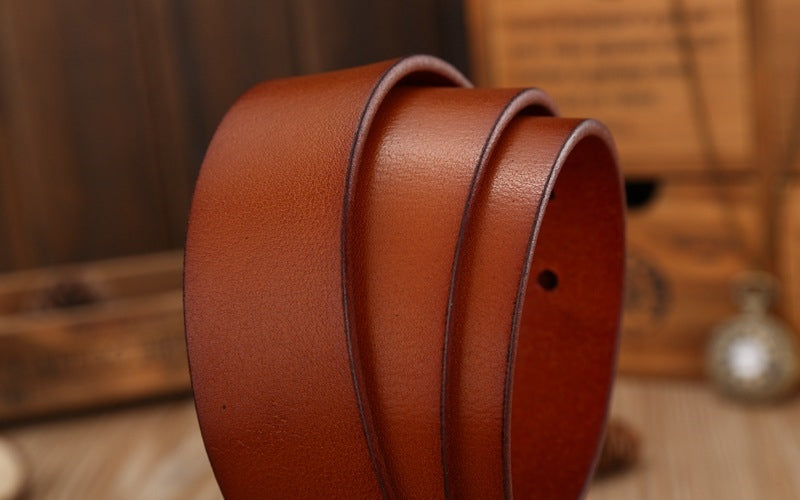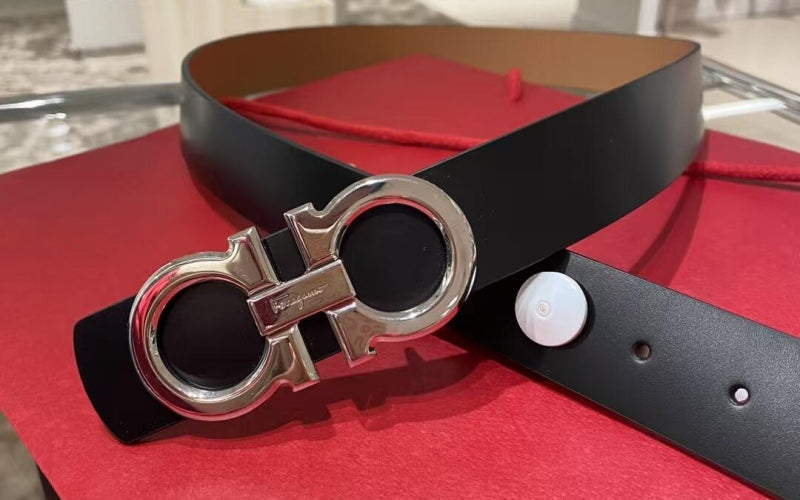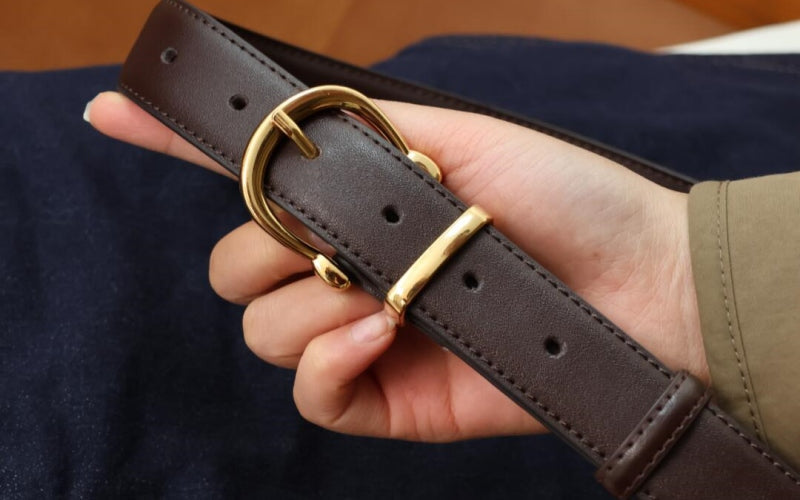
Cow Leather Belt vs Buffalo Leather Belt (Which One is Better? )
TL;DR: Quick Answer
- Buffalo wins on raw durability — 40% more tensile strength, thicker hide, longer lifespan
- Cowhide wins on versatility — smoother finish, easier break-in, works for both dress and casual
- Both are excellent choices at the full-grain level. Neither is "bad." One is a pickup truck. The other is a sedan. Different jobs.
- Your best bet depends on your lifestyle: office warrior or weekend warrior

Two belts walk into a bar. One's smooth, polished, and ready for a business meeting. The other looks like it survived a rodeo and is proud of it. The bartender asks, "So which one of you is better?"
That's the cow leather belt vs buffalo leather belt debate in a nutshell. People argue about this like it's politics. It's not. It's leather. And the answer depends entirely on what you need a belt to do.
Let's settle this with actual data, honest pros and cons, and zero brand loyalty to either animal. (They're both delicious, and they both make fantastic belts. We said it.) If you want to see how both stack up against every other leather type, our guide on which animal leather is best for belts covers the full roster.
 Which Is Stronger: Cow Leather or Buffalo Leather?
Buffalo leather is stronger. It has roughly 40% more tensile strength than cowhide, with thicker fibers that resist tearing, stretching, and daily wear. Buffalo hide averages 3–4mm thick compared to cowhide's 1–2mm. In a pure strength contest, buffalo wins by a comfortable margin.
But here's the thing. Strength isn't everything. Your belt isn't stopping a bullet. It's holding up pants.
The Buffalo Billfold Company tested bison leather extensively and found that its thicker fibers last longer under repeated stress. Weaver Leather Supply confirms that buffalo hides aren't stretched during tanning, which preserves their natural density and makes them more resistant to tearing.
Cowhide isn't fragile, though. A quality full-grain cowhide belt handles daily wear perfectly well for five to ten years. It's like comparing a Toyota to a Land Rover. The Toyota runs forever. The Land Rover just runs forever while looking like it survived something.

The Head-to-Head Comparison Table
Numbers don't lie. And they don't get emotionally attached to one animal over another. Here's the full breakdown:
| Feature | Cow Leather (Full-Grain) | Buffalo Leather (Full-Grain) |
|---|---|---|
| Thickness | 1–2mm | 3–4mm |
| Tensile strength | Very good (baseline) | Excellent (+40% over cow) |
| Weight | Light to moderate | Heavy. Noticeably heavy. |
| Break-in period | 3–7 days | 2–3 weeks |
| Flexibility | Flexible from day one | Stiff initially, softens with wear |
| Grain texture | Smooth, refined, uniform | Bold, pronounced, irregular |
| Patina style | Glossy, polished vintage | Deep matte, rugged character |
| Scratch resistance | Moderate | High |
| Moisture resistance | Moderate | High |
| Color options | Extensive | Limited (black, brown, espresso) |
| Dress belt suitability | Excellent | Poor to fair |
| Casual belt suitability | Good | Excellent |
| Lifespan | 5–10 years | 10–15+ years |
| Price range | $50–$150 | $80–$200 |
| Availability | Everywhere | Specialized retailers |
The takeaway? Cowhide is the all-rounder. Buffalo is the specialist. Both dominate their lanes.

How Do They Age Differently?
Cowhide develops a smooth, glossy patina. Scratches blend into the surface and become part of the story. Over time, a cowhide belt looks like something James Bond would reach for — polished, refined, quietly confident. Think of a leather chair in a corner office.
Buffalo leather ages like a completely different personality. Scratches don't disappear. They add character. The grain deepens. The color shifts unevenly, creating a layered, rugged finish that looks more like Indiana Jones's travel bag than a boardroom accessory.
According to Frederic St. James, cowhide ages into a "vintage" look while buffalo ages into a "matte, weathered" look. Neither is objectively better. But they attract different people. If you iron your jeans, buy cowhide. If you've never ironed anything in your life, buffalo is your spirit leather.
Steel Horse Leather adds that buffalo leather's patina develops faster because the thicker, more porous fibers interact more actively with skin oils and the environment. Cowhide takes its time. Buffalo walks in with character on day one and just keeps building.

Which One Feels Better to Wear?
Cowhide. Hands down. At least for the first month.
Cowhide is elastic and pliable. It bends with your body from day one. Alaskan Leather Company describes cowhide as "elastic, stretchy, and adapts to the curve of the user's body." You put it on. It fits. No drama.
Buffalo? Day one is a negotiation. The leather is thick. It bends reluctantly, like a teenager being told to clean their room. The first two to three weeks feel stiff and unyielding. But once it breaks in? It molds to your specific body shape and stays there. No sagging. No stretching out. No re-adjusting mid-afternoon.
At BELTLEY, we work with both materials and tell customers the same thing: cowhide is comfort now, buffalo is comfort forever. The break-in is a temporary annoyance for a permanent fit. But if you hate waiting, cowhide skips the hazing ritual entirely.
For cowhide that still packs serious durability, our double-layer full-grain belts stack two layers of cowhide for the thickness of buffalo without the stiff break-in.

Which Looks Better with a Suit?
Cowhide. This one isn't even close.
A dress belt needs to be sleek. Low-profile. Refined. Cowhide's smooth grain, polished finish, and slim profile check every box. A 1.25" or 1.38" cowhide belt in black or brown is the universal corporate uniform accessory. Nobody has ever been sent home from a board meeting for wearing a cowhide dress belt.
Buffalo? It's like wearing hiking boots to a ballet. Technically footwear. Technically wrong. The bold grain pattern, matte finish, and heavy construction read as casual at best. Some buffalo belts can pull off smart-casual — a blazer with jeans, untucked button-down, that kind of thing. But a full suit and tie? Stick with cowhide.
According to Buckle My Belt's etiquette guide, formal dress codes call for thin, smooth leather with conservative buckles. Buffalo leather's pronounced texture breaks that rule in every direction.
If you need a belt that moves between the office and the weekend, cowhide is the safer investment. If your wardrobe is 90% jeans and boots, buffalo was born for you.

Which Is Better for Everyday Wear?
Buffalo leather handles daily abuse better. It resists scratches, shrugs off sweat, and doesn't warp from repeated bending. If your belt's job description includes physical labor, outdoor activities, or just surviving the general chaos of your life, buffalo is the overqualified candidate.
Duluth Pack points out that bison leather's dense fiber structure gives it superior resistance to the kind of daily punishment that slowly destroys thinner leathers. And because buffalo isn't stretched during tanning, it maintains its shape after thousands of bend cycles.
Cowhide is still perfectly fine for everyday wear. Millions of people prove that daily. But if you're rough on your gear — or you just want something that can keep up without showing signs of fatigue — buffalo has a structural edge.
Our rugged buffalo-texture belt is built for this exact use case. Heavy-duty. Full-grain. Ready to be ignored and still look good.
The Price Reality Check
Let's talk money. Because leather belts aren't cheap, and you deserve to know what you're paying for.
| Price Tier | Cow Leather Belt | Buffalo Leather Belt |
|---|---|---|
| Budget (bonded/genuine) | $15–$40 | $25–$50 |
| Mid-range (top-grain) | $40–$80 | $60–$100 |
| Premium (full-grain) | $80–$150 | $120–$200 |
| DTC premium (full-grain) | $60–$120 | $80–$150 |
Buffalo costs 20–40% more at every tier. That's the scarcity tax — fewer buffalo, thicker hides, harder processing. According to Von Baer's leather guide, buffalo leather costs more upfront but pays off in longevity.
But here's the cost-per-year math that changes everything:
- $80 cowhide belt ÷ 7 years = $11.43/year
- $120 buffalo belt ÷ 12 years = $10.00/year
The buffalo belt is actually cheaper to own. Not by much. But it's cheaper and tougher and ages better. That's a triple win disguised as a higher price tag.
The real savings come from buying DTC. Brands like BELTLEY skip the retail markup — no department store margin, no distributor fees, no Brand Tax. You get premium leather at what the belt actually costs to make plus a fair margin.

So Which One Should You Actually Buy?
Here's the cheat sheet. No ambiguity. No "it depends" hedge.
Buy a cow leather belt if you:
- Need a dress belt for suits and office wear
- Want maximum color and style variety
- Hate stiff break-in periods
- Prioritize versatility over raw durability
- Want a refined, glossy patina
Buy a buffalo leather belt if you:
- Need a casual or everyday workhorse belt
- Value longevity above all else
- Don't mind a two-to-three-week break-in
- Prefer rugged, matte character over polish
- Want a belt that can survive your life
Buy both if you:
- Are a normal adult with multiple outfits (radical concept)

The Bottom Line
The cow leather belt vs buffalo leather belt debate doesn't have a single winner. Cowhide is more versatile, more refined, and works across every dress code from boardroom to barbecue. Buffalo is tougher, ages harder, and refuses to quit — even if you treat it like an afterthought.
A smart wardrobe has room for both: one for the events where you tuck in your shirt, one for the days where you couldn't care less.
Frequently Asked Questions
Q: Is buffalo leather better than cow leather for belts?
For durability, yes. Buffalo has 40% more tensile strength and lasts 10–15+ years versus cowhide's 5–10. But cowhide is more versatile, works with formal wear, and breaks in faster. "Better" depends on whether you prioritize toughness or flexibility.
Q: Does buffalo leather crack more than cowhide?
No — the opposite. Buffalo's thicker fiber structure resists cracking better than cowhide. Both need occasional conditioning (twice a year), but buffalo is more forgiving if you forget. See our leather care page for maintenance tips.
Q: Can I wear a buffalo leather belt with a suit?
You can, but you probably shouldn't. Buffalo's bold grain and matte finish read as casual. For suits and business attire, a smooth full-grain cowhide dress belt in the 1.25"–1.38" width range is the right call.
Q: Why is buffalo leather more expensive than cowhide?
Scarcity, thickness, and processing time. Buffalo herds are roughly one-tenth the size of cattle populations. The thicker hides require longer tanning and heavier equipment. And fewer tanneries specialize in buffalo, which limits supply further.
Q: How long does each type of belt last?
Full-grain cowhide: 5–10 years with proper care. Full-grain buffalo: 10–15+ years. Both leathers can exceed these ranges if you condition regularly and store them properly. The biggest lifespan killer for either type is cheap construction, not the leather itself.
Q: Which leather develops a better patina?
That's subjective. Cowhide develops a smooth, glossy vintage patina — think leather chair in a library. Buffalo develops a deep, matte, rugged patina — think explorer's travel bag. Cowhide ages like wine. Buffalo ages like a good scar. Both are beautiful.