Belt Color 101: A Woman's Guide to Effortless Matching
TL;DR: Quick Answer and main takeaways
- Black, brown, and tan are the three foundation belt colors that handle the majority of women's outfit situations.
- Women's belt color rules are more flexible than men's — matching shoes is a guide, not a strict requirement.
- For prints and patterns, match the belt to one of the colors already in the outfit. For bold-color outfits, reach for a neutral. For monochrome looks, a belt in the same family or a deliberate contrast both work.
- A color reference table covering 15+ outfit scenarios is below.

A belt does two things at once: it holds your waistline and communicates something about the outfit. The color you choose determines which message it sends — whether it blends into the look, creates a deliberate accent, or introduces contrast that either elevates the outfit or fights it.
The good news for women is that the color rules are genuinely more flexible here than in men's dressing. You're not locked into the shoe-matching rule the way men are in formal contexts. That flexibility is an advantage — but only if you know how to use it intentionally. That's what this guide is for.
Browse BELTLEY's women's belt collection while you read — every color discussed below is represented, in full-grain leather that holds its color and shape for years rather than seasons.

Pick Your Color by the Outfit You're Holding
Four outfit situations cover nearly everything:
| Your outfit | Belt color |
|---|---|
| Building a foundation wardrobe | Black, brown, and tan — those three handle the majority of situations |
| Prints and patterns | Match the belt to one color already in the print |
| One bold color head-to-toe | Neutral belt — let the outfit be the story |
| Monochrome look | Same color family for sleek, or a deliberate contrast for editorial — both work |
All the foundations are in the women's collection. The 15-scenario reference table is below:
The Foundation: Which Belt Colors Every Woman Should Own First
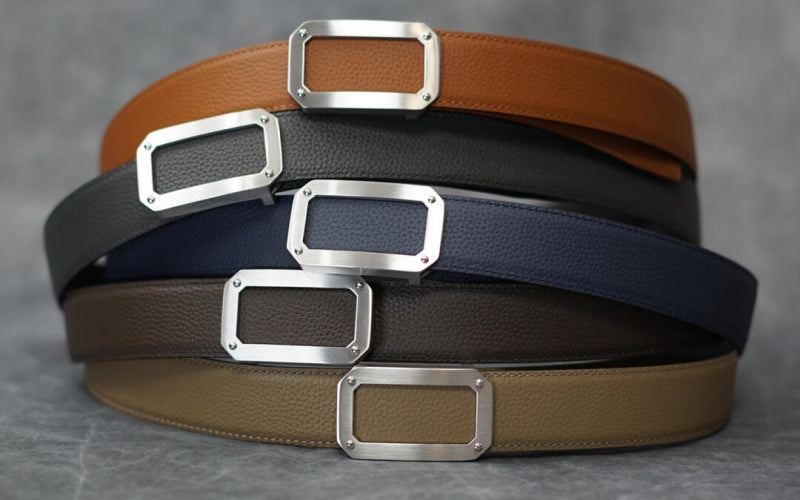
Before the full color framework, let's establish the wardrobe foundation. Three belt colors cover the overwhelming majority of what women actually wear:
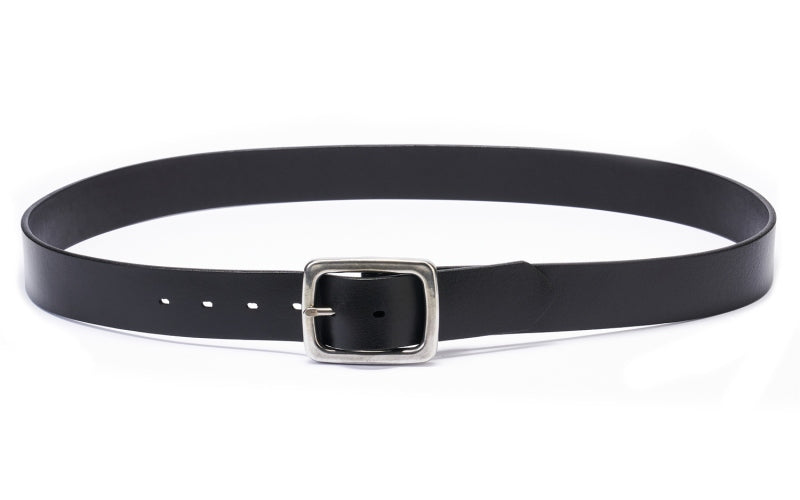
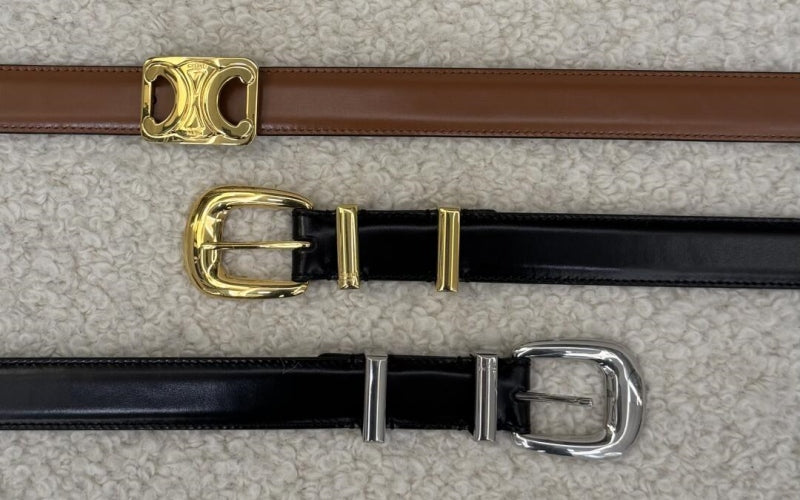
Black is the most formally versatile and works in every season, every formality level, and against nearly every outfit color. A slim black leather belt on a dress, a classic black belt on jeans, a structured black belt cinching a blazer — it handles all of it. Black leather belts are the single highest-return belt purchase for most women's wardrobes.
Brown (medium to dark) is the most everyday-versatile and brings warmth to casual and smart-casual outfits. Cognac, chocolate, and espresso work with denim in every wash, earth-tone separates, leather boots, and warm-palette dresses. Brown leather belts in a mid-to-dark shade outperform tan in range because they're compatible with both light and dark outfits.
Tan or camel fills the gap that black and brown don't cover: warm-weather outfits, white and ivory pieces, pastels, and summer linen. A tan belt against a white sundress or cream trousers creates effortless warmth without the visual weight of brown.
Once you have all three, you can start adding color or accent belts — burgundy, white, red, metallic — as specific outfit-drivers rather than foundations. Our guide to how many belts a woman should own covers the full wardrobe-building logic, but the three-neutral foundation is where everyone should start.

The Four Scenarios: How to Match Belt Color to Any Outfit
Every belt-color decision falls into one of four outfit scenarios. Understanding which scenario you're in tells you which approach to take.
Scenario 1: Neutral Outfit
A neutral outfit — black, white, grey, navy, beige, camel — gives the belt almost unlimited options because there's no competing color to navigate. The belt can blend (same color family as the outfit) or contrast (a deliberate accent). Both are correct choices; the difference is the effect you want.
Blend approach: Black belt on a black dress creates a clean, unbroken silhouette. A tan belt on cream trousers maintains a tonal, minimal look. Good for outfits where the fit and silhouette are the focus.
Contrast approach: A cognac belt on a grey dress adds warmth and visual interest without clashing. A white belt on a navy outfit creates clean contrast. A burgundy belt on a camel coat is a strong, considered accent. Good for outfits where you want the belt to contribute visually rather than disappear.
The one rule in neutral outfits: if you're going for contrast, make it decisive. A belt that's almost the same color as the outfit but not quite reads as unintentional. Either match closely or contrast clearly — the ambiguous middle is the only place to go wrong.
Scenario 2: Print or Pattern Outfit
Floral, stripe, plaid, abstract print — any pattern that contains multiple colors. The rule here is specific and reliable: match the belt to one of the colors already present in the print, ideally the secondary or accent color rather than the dominant one.
A floral dress with navy, white, and dusty rose accents? A dusty rose belt pulls out the accent color and makes the outfit look curated. A navy belt blends with the dominant color and adds structure. Both work; the accent-color approach tends to be more interesting.
For stripes: match the belt to the thinnest or accent stripe, not the dominant stripe. As Buckle My Belt's women's belt color guide notes, this technique makes the belt feel like a deliberate part of the outfit's color story rather than an afterthought.
When the print is complex and hard to match, a neutral belt (black, tan, or brown) in a color that appears somewhere in the pattern is always safe. It won't be wrong; it just won't be as interesting as an accent-color match.

Scenario 3: Monochrome Outfit
A monochrome outfit — all-black, all-white, all-camel, tonal dressing in one color family — gives you two choices: continue the monochrome (same color belt) or break it deliberately (a contrasting belt as the single accent).
Continuing the monochrome: A black belt on all-black maintains the intentional single-tone effect. This works best when the outfit's silhouette and texture are the focal point. The belt adds waist definition without introducing a new color conversation.
Breaking the monochrome: A tan or cognac belt on an all-white outfit creates a warm, natural accent that feels organic rather than jarring. A red or burgundy belt on an all-black outfit is a bold accent — deliberate, fashion-forward, and effective in the right context. Dressed by Tia's styling guide for women's belts identifies this as one of the highest-impact belt styling moves: a single contrasting belt on a monochrome outfit does more visual work than any amount of jewelry.
Scenario 4: Bold-Color or Statement Outfit
Wearing a bright red dress, a cobalt blue skirt, emerald green trousers, or any outfit where the garment itself is the color statement? Let the outfit be the statement. The belt should step back.
In this scenario, neutral belts — black, brown, tan — are the strongest choice. They provide waist definition without competing with the garment's color. Meqnes' guide to belt-outfit matching puts it directly: the louder the outfit, the quieter the belt should be.
The exception is when the belt is intended to anchor a specific color within the outfit — a cobalt belt on a cobalt outfit, or a red belt on an outfit with red accents. That works because it reinforces rather than competes. What doesn't work: two different bold colors fighting for the same visual attention at the waistline.

Do Women Need to Match Belt to Shoes?
In formal and professional contexts, yes — matching the belt to the shoe leather (or at least the same color family) is still the cleanest approach and reads most polished. In casual and smart-casual contexts, the rule relaxes significantly for women.
Men's dressing has a near-absolute belt-shoe matching rule in professional settings. Women's dressing is genuinely more flexible — the matching-accessories expectation has loosened considerably, and mismatched leather tones are widely accepted when they're clearly intentional rather than accidental. Effortless Gent's outfit matching guide notes that the key distinction is intentionality: a tan belt with black boots can look great if the outfit's color palette supports the warmth of the belt. The same combination reads sloppy if everything else in the outfit is cool-toned.
The practical guidance:
- Formal office or event wear: Match belt and shoes in color family for the most coherent look
- Smart-casual: Belt-shoe coordination is ideal but not obligatory — let the outfit's overall palette lead
- Casual: Belt color can follow the outfit's palette rather than the shoes specifically; mix freely and deliberately
For more on this topic, our post on how to match a belt with your outfit for ladies covers the full women's framework.

Belt Color by Outfit: Quick Reference Table
| Outfit Color / Type | Best Belt Colors | Avoid |
|---|---|---|
| All-black | Black, tan/cognac accent, red accent | Light neutrals that look accidental |
| All-white | Tan, cognac, black, metallic gold | Cream (too close, no contrast) |
| Navy blue | Black, cognac, tan, white | Bright colors that compete |
| Grey (any shade) | Black, cognac, burgundy, white | Light tan (washes out) |
| Camel / beige | Tan, brown, cognac, white | Black (too stark for warm neutrals) |
| Khaki / olive | Cognac, tan, dark brown, camel | Black in casual contexts |
| Blue denim | Brown, cognac, tan, black, white | Matchy blue belt |
| Black denim | Black, cognac, dark brown | Light tan |
| Floral print | Match accent color in pattern, or tan/black neutral | Random bold color not in the print |
| Striped outfit | Match thinnest stripe color, or neutral | Competing stripe or pattern |
| Red/orange outfit | Black, tan, cognac, dark brown | Another bold color at the waist |
| Burgundy / wine | Black, cognac, tan, dark brown | Red (too close and conflicting) |
| Emerald / green | Black, tan, brown, gold metallic | Red or blue |
| White summer dress | Tan, cognac, nude, metallic gold | Black (too heavy for light fabrics) |
| Pastel outfit | Tan, nude, white, soft cognac | High-contrast dark leather |

Seasonal Belt Color Logic
Color preferences shift with the season, and belt choices can follow that shift naturally without requiring a full wardrobe overhaul.
Spring and summer: Tan, camel, nude, white, and warm metallics (gold) align with lighter fabrics and the season's warmer palette. A tan or nude belt is the equivalent of a summer sandal — it works with everything light without adding visual weight. Browse BELTLEY's belt color collection for the full warm-toned range.
Fall and winter: Espresso, dark cognac, burgundy, oxblood, and deep brown come forward. These shades sit naturally next to the heavier fabrics — wool, cashmere, tweed — and richer outfit colors of the colder months. A burgundy belt against a camel coat or a dark espresso belt on grey flannel trousers are autumn and winter staples worth owning.
Year-round: Black works in every season and never looks seasonally wrong. Medium brown (cognac) spans spring through fall comfortably. These two colors are the only ones that genuinely don't require seasonal switching.
Tonywell's belt colour options guide supports the same seasonal logic: lighter, warmer shades recede in autumn, and the richer leather tones take over naturally — it's color alignment rather than a rule to follow consciously.

The Bottom Line
Women's belt color matching comes down to four decisions: what scenario is the outfit in (neutral, print, monochrome, bold), what effect you want the belt to produce (blend in, accent, contrast), how formal the context is (determines how closely the shoe rule applies), and what season and fabric palette you're working in. Get those four right and the color choice becomes obvious rather than stressful.
The foundation is always three neutrals — black, brown, and tan — before you add anything else. They handle 80% of what you'll actually wear and give the statement and accent belts something coherent to work within. At BELTLEY, every belt in our women's collection is handcrafted from full-grain leather that holds color and finish for years — not the kind that fades from cognac to beige after six months. We've been building belts to last since 1999, and with a 10-year warranty on every piece, the investment in three good neutral belts is genuinely a one-time decision. For how to apply the color logic to dresses specifically, our post on how to choose the perfect belt color for your dress goes deeper on silhouette and occasion considerations.
Frequently Asked Questions
Q: What color belt should a woman wear?
Start with three neutrals: black (most formal, year-round), medium brown or cognac (most everyday-versatile), and tan or camel (summer and light outfits). Once you have those, add accent colors only when they serve a specific outfit need. In formal settings, match the belt to the shoe leather. In casual settings, match it to the outfit's color palette.
Q: Does a woman's belt have to match her shoes?
In formal and professional contexts, matching the belt and shoes in color family is still the cleanest approach. In casual and smart-casual settings, women have significantly more flexibility than men — the belt can follow the outfit's overall palette rather than the shoes specifically, as long as the choice looks intentional rather than accidental.
Q: What color belt goes with a floral dress?
Match the belt to one of the secondary or accent colors in the floral print — not the dominant color. If the dress has navy, white, and dusty rose, a dusty rose or navy belt are both good choices. If the print is complex and hard to match, a tan or brown neutral that picks up any warm tones in the print is always safe.
Q: What belt color goes with a black dress?
A black belt is the cleanest choice for a black dress — it maintains the silhouette and adds waist definition without introducing a new color. A tan or cognac belt creates warm contrast and works well for casual or smart-casual contexts. A red or metallic belt is a strong statement option. Avoid light-grey or cream, which read as near-black mismatches rather than deliberate contrast.
Q: What is the most versatile belt color for women?
Black is the most formally versatile. Medium brown (cognac) is the most everyday-versatile. If you can only own one belt, black covers the widest range of occasions and outfits. If you wear more casual than formal, cognac is arguably more useful day-to-day. Most women benefit from having both within the same season.