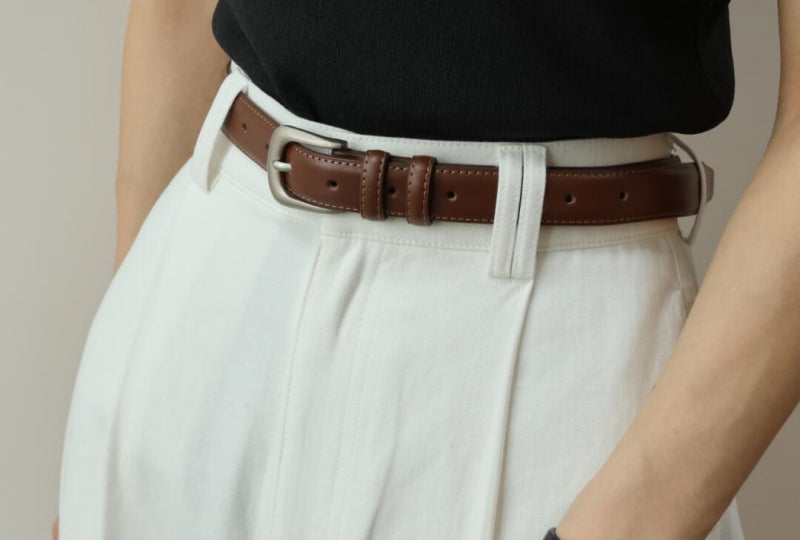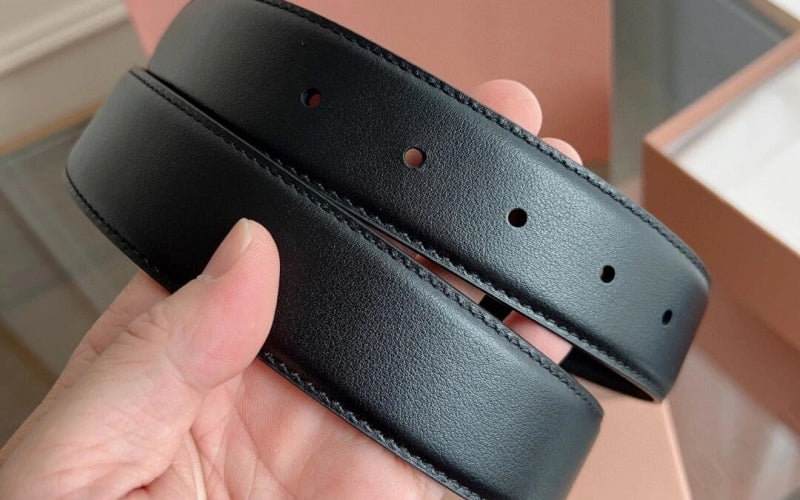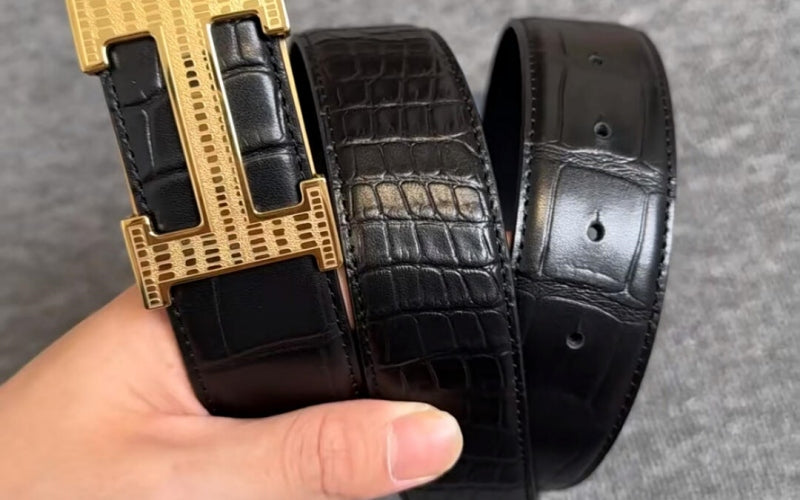
Can You Wear a 1.5-Inch Belt with a Suit? (Honest Answer)
TL;DR: Quick Answer
- A 1.5-inch belt works with some suits — but it's not the ideal width for formal settings
- It fits relaxed-fit and business casual suits with standard-width loops; it's too wide for slim-cut suit trousers
- For the cleanest look with a suit, 1.25" (32mm) is the sweet spot — slim enough to stay elegant, wide enough to look intentional
This question comes up constantly. You own a 1.5-inch leather belt. You want to wear it with a suit. But something about the proportion feels slightly off — or maybe someone told you it's too wide. So who's right?
The answer depends on three things: the suit's cut, the trouser loops, and the formality of the occasion. A 1.5-inch belt isn't automatically wrong with a suit. But it isn't always right either. Here's exactly when it works and when you should reach for something slimmer.

Does a 1.5-Inch Belt Work with a Suit?
Yes — in business casual and relaxed settings with suits that have standard-width belt loops (1.25"–1.5"). No — for formal occasions, slim-cut suits, or trousers with narrow loops. The 1.5-inch width sits right at the boundary between casual and dressy, which makes context everything.
According to Real Men Real Style's belt guide, thinner belts are dressier. A 1.5-inch belt is the most common casual width — fine for jeans and chinos, and it can cross into suit territory under the right conditions. But it's never the most formal option.
The key test is your belt loops. According to Buckle My Belt's width guide, a belt that's wider than the loops bunches the fabric, creates bulk, and looks forced. If your suit trousers have loops that comfortably fit a 1.5-inch belt without stretching, you're fine. If the belt fights the loops, it's too wide.

When a 1.5-Inch Belt Works with a Suit
Not every suit demands the slimmest belt possible. Here are the scenarios where 1.5 inches works:
Business Casual Settings
Office environments that don't require a tie. Team meetings, casual Fridays, client lunches at relaxed restaurants. A 1.5-inch belt in smooth leather with a polished buckle looks appropriate here — especially with a blazer-and-trousers combination that's already less formal than a full suit.
Relaxed-Fit or Classic-Cut Suits
Suits with a fuller cut through the leg have wider belt loops — typically 1.25"–1.5". These loops accommodate a 1.5-inch belt without bunching. According to Ask Andy About Clothes forum, classic American suiting (Brooks Brothers, J. Press style) traditionally uses 1.5-inch loops, making the width perfectly proportional.
Textured or Casual Suit Fabrics
Linen suits, cotton suits, and unstructured blazers have a more relaxed character. A 1.5-inch belt in lightly textured or full-grain leather complements these fabrics better than an ultra-slim dress belt would. The slightly wider width matches the casualness of the fabric.
When You're Built Larger
On a broader frame, a 1.25-inch belt can look disproportionately thin — like a ribbon rather than a belt. A 1.5-inch belt provides better visual balance for larger body types. According to Tonywell's belt width guide, belt width should be proportional to your build — larger frames need wider belts to maintain visual harmony.

When a 1.5-Inch Belt Doesn't Work with a Suit
Slim-Cut or Modern Suits
Slim and tailored suits have narrow belt loops — often 0.75"–1". A 1.5-inch belt physically won't fit through many of these loops. Even if it threads through, it stretches the fabric and creates visible bunching at the waistline. According to Proven Hands' belt selection guide, thin loops need thin belts — forcing a wider belt damages the trouser's tailoring.
Formal Events
Weddings, galas, job interviews at conservative firms, funerals. These settings call for the slimmest, most refined belt you own — 1" to 1.25". Or no belt at all. According to Sharp Crisp Clean's suit belt rules, a tuxedo should never be worn with a belt — suspenders are the correct choice for black-tie events.
Fine Wool or High-End Suits
Lightweight Italian wool, super 120s+ fabric, bespoke tailoring — these garments are built for precision. A 1.5-inch belt adds visual weight that competes with the suit's refinement. A 1.25-inch dress belt or a 1.38-inch belt keeps the proportion elegant.

What Width Is Actually Best for a Suit?
The ideal belt width for most suits is 1.25 inches (32mm). This width fits nearly all suit trouser loops, looks proportional across body types, and reads as clearly formal without going ultra-slim.
Here's the full width-by-occasion breakdown:
| Setting | Best Width | Why |
|---|---|---|
| Black tie / formal | No belt (suspenders) | Tuxedo pants don't have belt loops |
| Business formal | 1"–1.25" (25–32mm) | Slim, polished, unobtrusive |
| Business casual | 1.25"–1.38" (32–35mm) | Balanced — dressy enough, relaxed enough |
| Smart casual (blazer + trousers) | 1.25"–1.5" (32–38mm) | Room for texture and personality |
A 1.25-inch belt is the single most versatile option for suit-wearers. It works from interviews to client dinners to weddings. If you own only one dress belt, make it 1.25 inches. For broader coverage of this topic, our article on what is the best belt width for suits covers every scenario.

The Quick Decision Framework
Ask these three questions before pairing a 1.5-inch belt with a suit:
1. Do the belt loops fit it? Thread the belt through one loop. If it slides through smoothly with no resistance, you're fine. If it's tight or bunches the fabric, go narrower.
2. What's the occasion? Casual Friday or a relaxed dinner? 1.5 inches works. Job interview, wedding, or formal event? Go with 1.25 inches.
3. What's the suit's character? Unstructured blazer, cotton suit, linen? 1.5 inches matches the vibe. Slim-cut wool, peak lapel, fine fabric? 1.25 inches preserves the refinement.
If the answer to all three favors 1.5 inches, wear it confidently. If even one answer points toward slimmer, switch to 1.25 inches. The wrong belt width is a small mistake — but small mistakes are exactly what sharp dressing avoids.
For a complete guide to matching belts with suits, our article on what width belt to wear with a suit goes deeper.

The Bottom Line
A 1.5-inch belt can work with a suit — but only in casual and business casual contexts with trousers that have standard-width loops. For formal settings, slim-cut suits, and high-end fabrics, 1.25 inches is the better choice.
BELTLEY's 1.38-inch belt collection bridges the gap — slim enough for suits, substantial enough for business casual — in smooth full-grain leather with polished 316L stainless steel buckles that match your watch for years, not months.

Frequently Asked Questions
Q: Is a 1.5-inch belt too wide for a suit?
It depends on the suit. For slim-cut suits with narrow loops (0.75"–1"), yes — 1.5 inches is too wide and will bunch the fabric. For classic-fit suits with standard loops (1.25"–1.5"), it works fine in business casual settings. The loop width is the deciding factor, not the suit alone.
Q: What is the standard belt width for a suit?
The standard dress belt width is 1"–1.25" (25–32mm). This fits nearly all suit trouser loops and provides the sleek, proportional look that formal and business settings require. A 1.25-inch belt is the most common choice across menswear guides and style authorities.
Q: Can women wear a 1.5-inch belt with a suit?
Yes. Women's suiting is more flexible with belt widths. A 1.5-inch belt works well with relaxed blazers and wide-leg trousers. For tailored, slim-fit women's suits, a narrower 1"–1.25" belt is more proportional. Our guide on dress belt vs. casual belt covers the differences.
Q: Should you skip the belt entirely with a suit?
For black-tie events, yes — suspenders are correct. For everyday suits, a belt is expected if the trousers have belt loops. Visible empty loops look unfinished. The only exception is if your jacket never comes off and the waistband is completely hidden.
Q: What buckle works best with a suit?
A flat, polished frame buckle in silver or gold tone. The buckle face should be roughly the same width as the belt — no wider. Match the metal to your watch and cufflinks. Avoid oversized, novelty, or heavily textured buckles with suits. A slim plaque or box-frame buckle keeps the waistline clean and professional.