Can Belt Loops Be Removed from Jeans? (Yes — Here's How)
TL;DR: Quick Answer and main takeaways
- Yes — belt loops can be removed from jeans with a seam ripper, either DIY or by a tailor for $8–$30.
- How cleanly it works depends on how the loops are attached: topstitched loops are easiest; loops sewn into the waistband seam require more care.
- In most cases, removal leaves no visible marks — but practice on a cheap pair first before attempting it on jeans you care about.
Belt loops are one of those details that most people never think about until they have a reason to. Maybe the loops are worn and fraying. Maybe you want the cleaner silhouette of beltless pants. Maybe you've found a pair of jeans that fits everywhere except the waist, and removing the loops is part of a larger alteration plan. Whatever the reason, the question is reasonable — and the answer is yes, it can be done.
The more useful follow-up questions are: how are the loops attached on your specific pair of jeans, can you do it yourself without damaging the fabric, and what will the jeans look like afterward? This guide covers all of it honestly, including when it's worth doing and when there's a better approach.

Can Belt Loops Be Removed from Jeans?
Yes — belt loops can be removed from jeans. The process involves using a seam ripper to detach the stitching that holds each loop to the waistband. Done carefully, the removal leaves no visible damage on most jeans. The difficulty and the risk of visible marks depend on how the loops are attached — topstitched loops are simpler; loops integrated into the waistband seam require more precision.
The confirmation from both DIY communities and professional tailors is consistent: this is a routine alteration, not a risky one, provided the right tools are used and the work is done slowly. Styleforum's thread on belt loop removal and the Ask Andy About Clothes forum both include experienced tailors and dressers who confirm that any competent alteration professional handles this regularly, and that DIY is viable for anyone willing to take their time.

How Belt Loops Are Attached — And Why It Matters Before You Cut
Before you reach for the seam ripper, it helps to understand how the loops are stitched onto your specific pair of jeans. Not all belt loops are attached the same way, and the attachment method determines how straightforward the removal is.
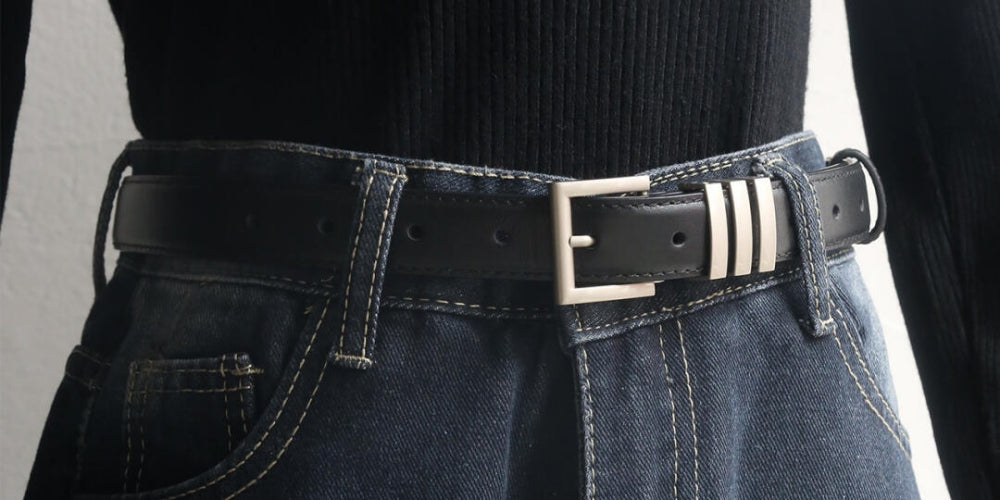
Topstitched loops are the most common on casual jeans. The loop strip is sewn flat onto the outside of the waistband with visible stitching at both the top and bottom ends. This is the easiest type to remove — the stitches are accessible, the seam ripper slides under them cleanly, and there's minimal risk of pulling the waistband fabric.
Loops sewn into the waistband seam are more common on dress trousers and some premium denim. The loop is tucked into the seam between the waistband and the trouser body, meaning the attachment point is hidden inside the seam. Removing these requires opening part of the seam to free the loop end, then re-stitching the seam closed. This is still doable, but it's closer to tailor territory than a quick DIY fix.
Chain-stitched loops (less common, more often found on raw or selvedge denim) have a distinctive looped stitch that can unravel quickly if the wrong thread is pulled. These are best left to someone who understands the stitch construction.
iFixit's guide on fixing ripped belt loops on jeans — written for repair rather than removal, but useful for understanding loop attachment — shows clearly how the loop connects to the waistband and where the stress points are. Understanding the attachment before you start prevents the most common removal mistakes.
How to Remove Belt Loops from Jeans Yourself (Step-by-Step)
If the loops are topstitched onto the waistband, DIY removal is straightforward. You need a seam ripper (available for $2–$5 at any fabric or craft store), small scissors, and tweezers to pull out remaining thread ends.
Step 1 — Test on a cheap pair first. Before attempting removal on jeans you value, practice the same technique on a thrift store pair. The mechanics are simple, but the feel of the correct pressure and angle takes a single practice run to get right.
Step 2 — Work one loop at a time. Slide the seam ripper blade under the stitching at the bottom of the loop where it meets the waistband. Apply light, controlled pressure to cut the thread — don't drag or force it. Work across the stitching in short passes rather than one long cut.
Step 3 — Repeat at the top. Once the bottom stitching is freed, do the same at the top of the loop where it attaches to the upper waistband edge.
Step 4 — Remove the loop and thread ends. Pull the loop free. Use tweezers to remove any remaining thread ends from the waistband fabric. Take your time here — pulled or broken threads at this stage cause most of the visible damage.
Step 5 — Press with a damp cloth. Once all loops are removed, lay the jeans flat and press the waistband lightly with a warm iron through a damp cloth. This settles the fabric back into place and minimizes any texture from where the loops were attached.
The entire process for a standard five-loop pair of jeans takes 30–60 minutes done carefully. If the loops are sewn into the seam rather than topstitched, stop at Step 1 and take them to a tailor.
Should You DIY or Use a Tailor?
For topstitched loops on casual jeans, DIY is fine if you're patient and use the right tools. For loops integrated into the waistband seam, chain-stitched construction, or jeans you genuinely can't afford to damage, a tailor is the better call — and it's inexpensive.
Professional belt loop removal typically costs $8–$30 depending on how the loops are attached and the tailor's pricing. Williamsburg Garment Co.'s belt loop service page lists this as a standard alteration, which reflects how routine it is for experienced garment professionals. As Classic Cleaners notes in their common pants alteration guide, loop removal is one of the simpler waistband alterations — far less complex than taking in the seat or adjusting the rise.
The honest trade-off: DIY saves money but carries risk on expensive or delicate denim. A tailor costs $10–$30 but guarantees a clean result with no waistband damage. For jeans worth over $100, the tailor math almost always wins.

Will Removing Belt Loops Leave Marks or Damage the Jeans?
On most jeans, properly done belt loop removal leaves no visible marks. The stitching holes close up under light pressing, and the waistband fabric settles back without scarring. The exception is if the loops were attached with particularly dense topstitching that has slightly compressed or creased the waistband fabric over time — in those cases, faint stitch impressions may remain, but they're rarely noticeable at normal viewing distance.
Where damage does occur is almost always from rushing — tearing a loop off rather than ripping the stitches cleanly, or pulling thread ends aggressively instead of easing them out with tweezers. Both leave pulled fabric or small holes that are visible and difficult to fix cleanly after the fact.
The practical rule: slow is clean. The seam ripper should cut the thread, not stress the fabric. If at any point you feel resistance, stop and re-examine rather than force it through.
What to Do Instead of Removing Belt Loops
If the goal isn't a no-loops aesthetic but simply wearing jeans without a belt — or keeping jeans up without one — there are alternatives that don't require altering the garment at all.
Get the waist tailored. The most common reason people want to ditch the belt is that the jeans are slightly too large at the waist. A tailor can take in the waistband for $15–$40, giving a fit that stays up without a belt — loops intact, no alteration visible from outside. This is nearly always the better solution for fit-related problems.
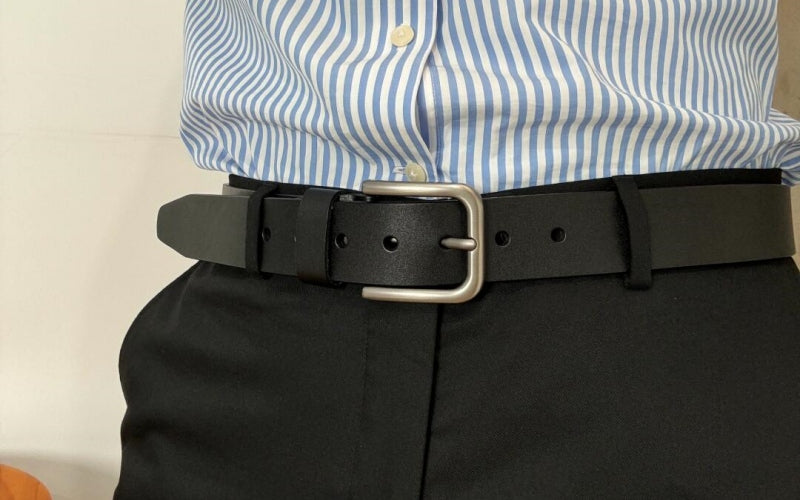
Wear a belt that works. A well-fitted belt doesn't make the waist feel bulky or over-cinched — that's usually a sign the belt is too wide for the loops, or the jeans don't fit properly in the first place. Our guide to what kind of belt to wear with jeans covers width and style choices that work with different denim cuts without adding visual bulk. If you want a belt that genuinely elevates a jeans outfit rather than just holding them up, our casual leather belt collection has full-grain options in widths from 1" to 1.5" that fit standard jeans loops cleanly.
Try belt alternatives. As UndershirtGuy's belt alternatives guide covers, side-adjusters, elastic waistbands, and suspenders are functional options for pants that need to stay up without a traditional belt. MakeYourOwnJeans notes that the most effective long-term solution for jeans that won't stay up is simply better fit — either buying the right size or having them altered.
The Bottom Line
Belt loops can be removed from jeans — carefully, cleanly, and without visible damage in most cases. Topstitched loops are a manageable DIY project with a $3 seam ripper and patience. Loops integrated into the waistband seam are better handled by a tailor for $10–$30. Either way, it's a routine alteration, not a drastic one.
That said, before removing loops, it's worth asking whether the goal is really a no-loop silhouette or whether the underlying issue is fit. A well-fitting pair of jeans with a quality leather belt sits cleanly without bulk or strain — no loop removal required. At BELTLEY, our belts are built specifically to work with how jeans actually fit: full-grain leather that doesn't stretch out of shape, hardware that doesn't snag fabric, and widths designed to thread through standard denim loops without effort. The women's belt collection covers the same range for narrower loop widths. If the real problem is that belts feel like an afterthought in your outfit, that's usually a belt quality issue — not a loop issue.
Frequently Asked Questions
Q: Can you remove belt loops from jeans without damaging them?
Yes — if done with a seam ripper and tweezers rather than scissors or force. The key is cutting the stitching cleanly rather than tearing the loop away, then removing remaining thread ends carefully. Pressing the waistband lightly after removal settles the fabric. Visible damage almost always results from rushing, not from the process itself.
Q: How much does it cost to have belt loops removed by a tailor?
Belt loop removal typically costs $8–$30 depending on how the loops are attached and the tailor's location and pricing. Loops topstitched onto the waistband are on the lower end. Loops integrated into the waistband seam take more time and cost more. Any alterations tailor or garment specialist can do this — it's a standard service.
Q: Will removing belt loops change how jeans fit?
No — belt loop removal doesn't affect the fit of the jeans. The loops are decorative and functional attachment points for a belt, but they don't contribute to the structural fit of the waistband or seat. If the jeans fit correctly before removal, they'll fit the same way after.
Q: Is it better to remove all belt loops or just some?
Removing all loops creates a cleaner, more intentional look. Removing only some — for example, the back loops — is occasionally done for comfort when sitting, but it looks unfinished and asymmetric from most angles. If you're removing loops, remove all of them for a consistent result.
Q: What can I wear instead of a belt if I remove the belt loops?
Without belt loops, suspenders (braces) are the most practical structured alternative for keeping pants in place. For jeans that need to stay up without any visible hardware, having the waist tailored to a closer fit is the cleanest solution. If the goal is aesthetic — wanting the clean waistband silhouette — many brands produce jeans and trousers with no loops by design, which is worth considering before altering a pair you already own.
x