Burberry vs Mulberry Belt: Which British Pick Wins?
Quick answer: Both are British heritage houses, but they sell different things in a belt. Burberry is the recognizable, runway-driven pick — its reversible TB monogram belt flips between the iconic Burberry check and solid leather, is Italian-made, and reads as branded heritage. Mulberry is the understated craft pick — quietly elegant British leatherwork (some made in England) with classic, logo-light design that ages well. Choose Burberry for the iconic check and brand presence; choose Mulberry for discreet, well-made leather.
Last updated: June 2026 • By BELTLEY
TL;DR:
- Burberry — reversible TB monogram belt, iconic check ↔ solid, Italian-made, branded heritage.
- Mulberry — understated British leather craft (some made in England), logo-light, ages well.
- Most recognizable / branded: Burberry — the check is instantly known.
- Most discreet / craft-led: Mulberry — quiet elegance over logos.
- Heritage depth: Burberry (est. 1856) is older; Mulberry (est. 1971) is the craft house.
- Resale edge: Burberry tends to hold value better thanks to global brand strength.
Two British names, two very different belts. Burberry leans on its world-famous check and the TB monogram — a belt that announces the brand and flips to two looks. Mulberry leans the other way, into quiet leather craftsmanship with classic, understated design. So "Burberry vs Mulberry" isn't really about which is better quality — both are good — it's about whether you want recognizable heritage branding or discreet British leatherwork. Here's how to choose. For the deep dive on one of them, see are Burberry belts worth it.
Burberry vs Mulberry: Which Belt Suits You?
Match what you want to the brand.

| What you want | Go with |
|---|---|
| The iconic Burberry check | Burberry — TB monogram reversible |
| Two looks in one (check ↔ solid) | Burberry — reversible design |
| Recognizable branded heritage | Burberry |
| Understated British leather craft | Mulberry — quiet and classic |
| Logo-light, ages-well elegance | Mulberry |
| Best resale value | Burberry — stronger global brand |
If you're weighing the wider field, what designer belt should I buy puts these British names in context.
What defines a Burberry belt?
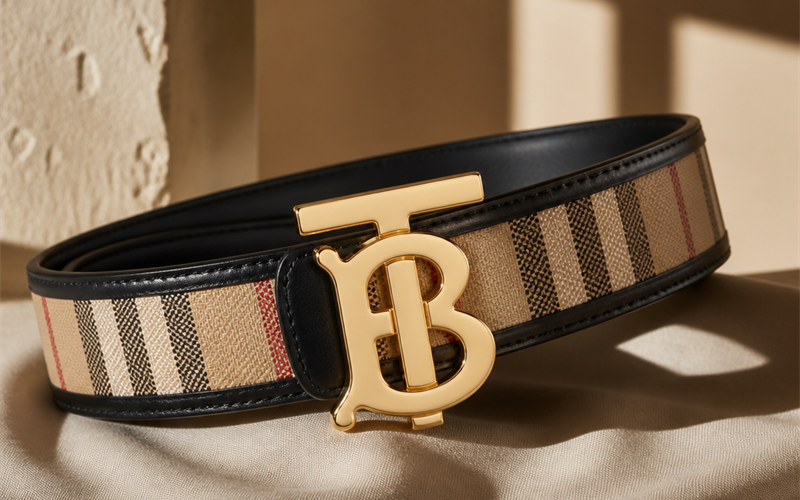
A Burberry belt is defined by the TB monogram buckle and the reversible check design — one side shows the iconic Burberry check, the other a solid topstitched leather. Italian-made with a gold- or palladium-plated Thomas Burberry plaque, it's the recognizable, branded-heritage choice.
Burberry's whole pull is its instantly known check and strong branding. The brand, "set up in 1856," has "one of the richest histories in fancy clothes," and it leans into "strong branding, changing styles every season and runway trends." The signature belt — the reversible Check TB — flips between the heritage check and a solid color, giving two looks in one, topped by the TB monogram plaque. It's the pick for someone who wants the belt recognized as Burberry, with the check doing the talking.
What defines a Mulberry belt?
A Mulberry belt is defined by understated British leather craftsmanship — classic, logo-light design in thick, grained calf leather, with some pieces made in England. It's the quietly elegant choice, built to last and to age well rather than to broadcast a brand.

Mulberry is the craft house of the two. Founded in 1971 with "strong ties to English skill," it's "known mostly for its leather items," with "sewing, shape and metal parts...built to last" and a style that's "simple, old-fashioned and useful" where "logos are not flashy, shapes are classic." Mulberry even develops its own leathers and constructs goods by hand at its Somerset workshops. On a belt, that means discreet design and quality leather over visible branding — the choice for someone who values the leatherwork itself.
Key stat: This is a branding vs craft split, not a quality gap. Burberry sells the recognizable check + TB monogram (Italian-made, reversible); Mulberry sells understated British leatherwork (some made in England, logo-light). One belt announces the brand; the other quietly shows its quality.
A tale of two British houses
Both are British heritage names, but one built its fame on a fabric and a pattern, the other on quiet leather craft — and that shapes the belts.
Burberry is the older, far more globally recognized house, founded by Thomas Burberry in 1856. Its defining innovation was gabardine — the hardwearing, weather-resistant fabric Burberry patented and used to build the trench coat that made the brand world-famous. The Burberry check, originally a coat lining, became one of fashion's most recognizable patterns. So Burberry's identity is inseparable from branding and heritage symbols: the check, the trench, the monogram. A Burberry belt naturally carries that — it's a piece you buy partly to wear the icon.
Mulberry is the younger, craft-focused house, founded in 1971 by Roger Saul and his mother in Somerset, England. It made its name on leather goods built with serious British craftsmanship — developing its own leathers and constructing bags by hand at its English workshops. Mulberry's appeal has always been the make rather than the logo: understated, classic, well-built pieces that age beautifully. It's the British house for people who want the quality without the conspicuous branding.
So the contrast is icon versus craft: Burberry sells recognizable heritage and the famous check; Mulberry sells discreet, leather-first British craftsmanship. Same nationality, opposite relationships with the logo.
Burberry vs Mulberry: side-by-side
Here's how they compare across what drives the choice:

| Feature | Burberry | Mulberry |
|---|---|---|
| Signature | TB monogram + check | Understated leather, own hides |
| Logo presence | High — the iconic check | Low — discreet, classic |
| Reversible | Yes — check ↔ solid leather | Typically fixed |
| Made in | Italy | Some made in England |
| Heritage | Est. 1856, runway-driven | Est. 1971, craft-driven |
| Best for | Recognizable branded heritage | Quiet, ages-well elegance |
| Resale | Stronger global brand value | Holds value, more average resale |
The pattern is clear: Burberry is the branded, recognizable, reversible pick with stronger resale; Mulberry is the discreet, craft-led, leather-first pick. Both are legitimate British heritage names, from Mulberry leatherwork to Burberry's gabardine legacy — so the choice is identity, not quality; indeed Burberry is famous for patenting gabardine, a hardwearing and waterproof fabric.
Which belt holds value and ages better?
Burberry tends to hold resale value better thanks to its strong global brand and recognizable check. Mulberry holds value reasonably but with more average resale, though its understated leather often ages beautifully. So Burberry wins on resale strength; Mulberry wins on quiet, leather-first aging.

The difference comes from what each brand sells. Burberry's worldwide recognition keeps demand high on the secondary market, so its belts retain value well — its "costs show its worldwide brand strength." Mulberry's appeal is the leather and craft, which ages gracefully but doesn't carry the same resale momentum, so its "resale costs are often average." If resale matters most, Burberry; if you simply want leather that wears in well over years, Mulberry's craft delivers. For keeping either looking its best, see our leather care guide.
Which belt should you buy?
Buy Burberry if you want the iconic check, the TB monogram, a reversible two-in-one design, and stronger resale. Buy Mulberry if you want understated British leather craft, logo-light elegance, and leather that ages well. Both are quality British heritage belts — the choice is recognizable branding versus discreet craftsmanship.
Be honest about whether you want the brand seen. If the check and the TB plaque are the appeal, Burberry delivers recognizable heritage and a clever reversible design. If you'd rather the leather speak and the logo stay quiet, Mulberry is the craft pick. And there's a worthwhile third option for the discreet-leather crowd: if what you love about Mulberry is understated, well-made, ages-well leather, a full-grain leather belt with a solid buckle gives you that quiet quality and patina without the heritage premium — and a reversible leather belt covers the two-looks-in-one appeal Burberry trades on.
How do you style each belt?
Style a Burberry belt as a branded heritage accent — its reversible check side adds the iconic pattern to a look, while the solid side keeps things understated, so it flexes between showing the brand and playing it quiet. Style a Mulberry belt as a discreet leather staple that lets the quality, not a logo, finish the outfit.

Burberry's reversible design is its styling superpower. Flip to the check when you want the recognizable Burberry signal — great with neutral, simple outfits that let the pattern pop — and flip to the solid leather when you want a clean, logo-light look. The TB monogram buckle ties it to the brand either way. It's the belt for someone who likes having the icon available but not always switched on.
Mulberry is the quiet-quality pick. Its understated leather works across smart-casual and classic outfits where you want a well-made belt that doesn't announce itself, aging gracefully as it goes. Pair it with tailoring or relaxed-but-refined looks and let the leather speak. It's the choice for someone who finds a visible logo unnecessary and prefers the confidence of craftsmanship.
The shorthand: Burberry for the iconic check on demand; Mulberry for discreet, ages-well British leather.
The Bottom Line
Burberry and Mulberry are both British, but they sell opposite things in a belt. Burberry is the recognizable, branded-heritage pick — the reversible TB monogram belt that flips between the iconic check and solid leather, Italian-made, with stronger resale. Mulberry is the understated craft pick — quietly elegant British leatherwork, some made in England, logo-light and built to age well. Choose Burberry for the check and the brand presence; choose Mulberry for discreet, leather-first quality. And if your real priority is well-made leather that ages honestly, without paying for the heritage name, a quality leather belt gives you that substance directly. Decide whether you want the brand seen or the leather felt.
Frequently Asked Questions
Q: Is Burberry or Mulberry a better belt?
Both are quality British heritage belts, so neither is objectively better. Burberry suits those who want the iconic check, the TB monogram, a reversible design, and stronger resale. Mulberry suits those who want understated British leather craft and logo-light elegance. The choice is branding versus discreet craftsmanship.
Q: Is the Burberry belt reversible?
Yes, the signature Burberry Check TB belt is reversible. One side shows the iconic Burberry check, and the other shows solid topstitched leather, giving two looks in one belt. It's Italian-made and finished with a gold- or palladium-plated Thomas Burberry monogram plaque buckle.
Q: Are Mulberry belts made in England?
Mulberry is a British brand with strong English craftsmanship roots, and some of its leather goods are made in England at its Somerset workshops. The brand develops its own leathers and is known for durable, hand-finished construction, though not every item is made in England — check the specific piece.
Q: Which holds value better, Burberry or Mulberry?
Burberry tends to hold resale value better because of its strong global brand and recognizable check, which keeps secondary-market demand high. Mulberry holds value reasonably but with more average resale, though its understated leather ages well. For resale strength, Burberry has the edge.
Q: Which brand is more understated?
Mulberry is more understated. Its design is logo-light, classic, and craft-focused, letting the leather quality speak rather than a visible brand. Burberry is more recognizable and branded, thanks to its iconic check and TB monogram. For discreet elegance, Mulberry is the quieter choice.