Are LV Belts Tacky? (Quick Answer by BELTLEY)
TL;DR: Quick Answer
- LV belts aren't inherently tacky, but how you wear them and which style you pick makes or breaks the look
- The oversized LV monogram buckle has become one of the most polarizing accessories in menswear and womenswear — many style experts now consider it overdone
- Quiet luxury and craftsmanship-first brands are gaining ground as buyers question whether a $600+ logo belt delivers real value
You've seen it a thousand times: that chunky gold LV initials buckle cinching someone's waist at the airport, the office, the club. And you've probably wondered — is that actually stylish, or has it crossed into tacky territory? You're not alone. "Are LV belts tacky?" is one of the most searched fashion questions online, and the answer is more nuanced than a simple yes or no. Below, we break down what the style world actually thinks, when an LV belt works, and what the smarter alternatives look like.

Are Louis Vuitton Belts Considered Tacky in 2026?
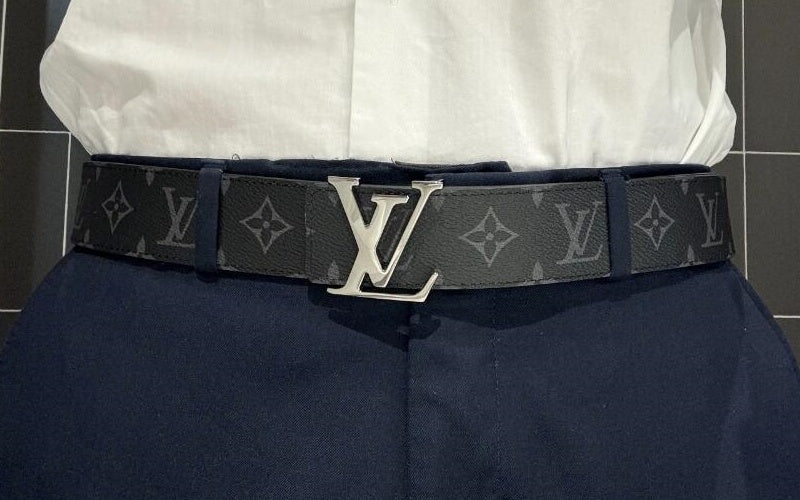
For many style-conscious buyers, yes — the classic LV monogram belt now reads as try-hard rather than refined. The oversized initials buckle has been mass-adopted to the point where it no longer signals exclusivity. Fashion psychologists at the University of the Arts London have studied how "logo fatigue" sets in once a luxury symbol reaches cultural saturation, and the LV belt is a textbook case.
That said, context matters enormously. An LV belt paired with a tailored, monochrome outfit can still look intentional. The problem arises when the belt is the outfit — when it's the loudest piece in an otherwise unremarkable look. According to reporting by Business of Fashion, the broader luxury market has been shifting toward "quiet luxury" since 2023, with brands like Loro Piana and Brunello Cucinelli outpacing logo-heavy houses in growth among high-net-worth consumers.

Why Do People Think LV Belts Are Tacky?
The perception boils down to three factors: overexposure, counterfeits, and shifting taste. The LV monogram belt became so popular that it's now one of the most counterfeited accessories on the planet. A report from the Organisation for Economic Co-operation and Development (OECD) found that fashion accessories rank among the top categories for global counterfeit goods, which inevitably cheapens the perception of the genuine article.
When fakes are everywhere — street markets, online resellers, social media — the real thing stops feeling special. Add in the fact that logo belts as a trend have been cooling since their 2018 peak, and you get a perfect storm of declining prestige.
There's also a generational shift. Millennials drove the logo-belt boom. Gen Z and younger millennials increasingly favor understated craftsmanship over visible branding, a movement the fashion press calls "stealth wealth" or "quiet luxury."

Can You Wear an LV Belt Without Looking Tacky?
Absolutely — if you follow a few rules. The key is restraint. Style the LV belt as a subtle accent, not a billboard. Choose the Damier or Epi leather versions over the monogram canvas — they're cleaner and less instantly recognizable. Keep the rest of your outfit minimal: solid colors, clean lines, no competing logos.
Here's a practical framework:
| Works | Doesn't Work |
|---|---|
| LV Epi leather belt with tailored trousers and a cashmere sweater | LV monogram belt with logo t-shirt, logo sneakers, and a flashy watch |
| Damier belt as a quiet finishing touch under a blazer | Giant LV buckle as the centerpiece of a casual jeans outfit |
| Pairing with a single statement piece (quality watch or bag) | Stacking multiple luxury logos in one look |
The GQ style guide has consistently advised that designer belts work best when they're the only branded item visible in an outfit. The moment you double up on logos, the look shifts from curated to costume.

What Do LV Belts Actually Cost — And Is It Worth It?
A standard Louis Vuitton LV Initiales belt retails between $580 and $750 depending on the material and buckle finish. The reversible models push past $800. For that price, you get coated canvas (not full-grain leather on most models), a zinc alloy buckle, and the Louis Vuitton brand name.
Here's what many buyers don't realize: Louis Vuitton's signature monogram canvas is not leather — it's a coated cotton-polyester blend. The material is durable, but it doesn't develop the patina, grain character, or aging beauty of genuine full-grain leather. When you're paying $600+, a significant portion goes toward the brand name — what the industry calls the "Brand Tax."
A study by Deloitte's Global Powers of Luxury Goods report found that marketing and brand equity account for a substantial share of luxury goods pricing, often exceeding raw material and manufacturing costs combined. That's not necessarily bad — brand equity has value — but it means you should go in with eyes open about what you're actually paying for.

What Are Better Alternatives to an LV Belt?
If you want the prestige of a premium belt without the logo baggage, the smartest move is investing in materials over marketing. A handcrafted full-grain leather belt or an exotic leather belt tells a quieter, more confident story than any monogram.
Consider what $600 buys you outside the logo-belt world:
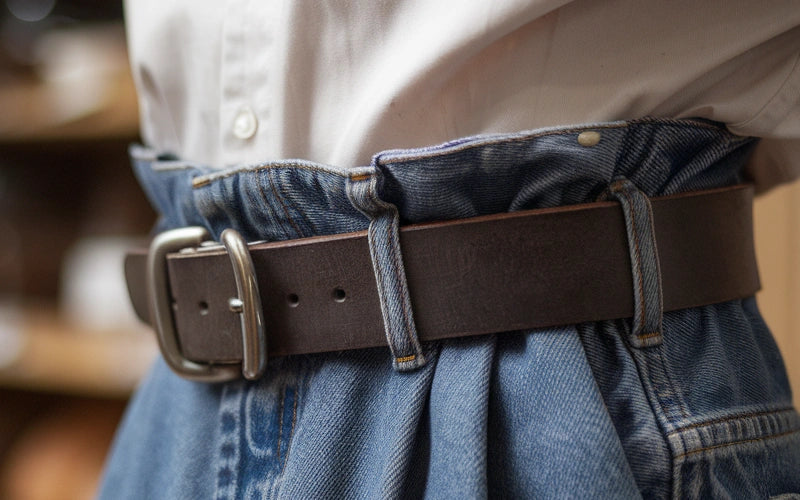
- Full-grain cowhide belts with stainless steel hardware and a 10-year warranty — often under $100 from DTC brands
- Genuine crocodile or alligator leather belts — the kind of material that luxury insiders actually respect — starting around $118
- Handwoven or artisan-finished belts that are genuinely one-of-a-kind, not factory-stamped with a pattern
At BELTLEY, we work exclusively with full-grain hides and exotic leathers because we've seen firsthand how a belt made from real materials outperforms and outlasts logo-driven accessories. Our designer belts collection offers the craftsmanship and hardware quality that discerning buyers expect — without the Brand Tax.
The Bigger Picture
The "are LV belts tacky?" debate is really a proxy for a larger conversation happening across luxury fashion: who are you dressing for? If you're dressing for people who recognize logos, an LV belt does the job. If you're dressing for people who recognize quality — the leather, the stitching, the buckle weight, the grain — then a monogram is beside the point.
The wealthiest consumers have always known this. Research from Luxury Institute consistently shows that ultra-high-net-worth individuals prefer understated brands and artisan-made goods over visible logos. The "Smart Money" buyer — the person who understands value, not just price — gravitates toward belts that speak through craftsmanship rather than initials.
Fashion is cyclical, and logo belts may well circle back. But right now, the trend arrow points firmly toward quiet confidence. The belt that impresses the most in 2026 is the one that makes someone ask, "What is that leather?" — not "What brand is that?"

The Bottom Line
LV belts aren't universally tacky, but they've lost the cultural cachet they once carried. The monogram models have been overexposed, widely counterfeited, and outpaced by the quiet luxury movement. If you already own one, style it with restraint — keep it as the only logo in your outfit. If you're shopping for a new belt, consider redirecting that $600+ toward a handcrafted full-grain or exotic leather belt that prioritizes materials and construction over branding. Your wardrobe — and your wallet — will thank you.

Frequently Asked Questions
Q: Are LV belts out of style in 2026?
LV belts aren't completely out of style, but the oversized monogram buckle versions have significantly declined in popularity. The fashion industry's shift toward quiet luxury means subtler LV styles (Epi leather, Damier) hold up better than the iconic initials buckle. Read our full breakdown of whether Louis Vuitton belts are still in style.
Q: Why are Louis Vuitton belts so expensive?
LV belts cost $580-$750+ primarily because of brand equity and marketing, not materials. The monogram canvas is coated fabric, not leather. Manufacturing, retail markup, and the LV brand name account for most of the price. Learn more about why designer belts carry such high price tags.
Q: Is the LV monogram canvas real leather?
No. Louis Vuitton's monogram canvas is a coated cotton-polyester textile, not genuine leather. Some LV belt models use calfskin leather for the strap, but the signature monogram material is synthetic-coated fabric. Check our detailed analysis of what Louis Vuitton belts are made of.
Q: What belt should I buy instead of Louis Vuitton?
For better material quality at a similar or lower price, consider full-grain leather belts or exotic leather options like crocodile or alligator. DTC brands offer handcrafted belts with premium hardware and 10-year warranties for a fraction of the logo-belt price. Browse BELTLEY's designer belt collection for craftsmanship-first alternatives.
Q: How can I wear an LV belt without looking tacky?
Choose subtle LV styles like the Epi or Damier leather over the monogram. Make the belt your only visible logo piece, pair it with tailored neutral clothing, and avoid stacking multiple designer brands in one outfit. The goal is for the belt to complement — not dominate — your look.
Q: Do LV belts hold their value?
LV belts hold moderate resale value compared to handbags, but they depreciate significantly once worn. Limited-edition styles retain value better than standard monogram models. Unlike high-quality leather goods that develop character with age, coated canvas doesn't improve over time. Compare this with our look at whether luxury belts are truly worth the investment.