Are Belts with Suits Out of Style? The 2026 Guide
TL;DR: Quick Answer
- Belts with suits are not out of style in 2026 — they've evolved from a basic necessity into an intentional style signal
- If your suit trousers have belt loops, a belt is still expected — empty loops look unfinished
- The only exception: bespoke or tailored trousers with side adjusters and no belt loops, which are designed to be worn beltless
Someone told you that belts with suits are over. Maybe you saw a runway photo of a beltless trouser, or a Reddit thread declared the belt dead. Here's the reality: belts with suits are not out of style — but wearing the wrong belt with a suit is. The distinction matters.
In 2026, men's fashion has moved toward intentional, refined accessories. A well-chosen dress belt with a suit communicates taste, attention to detail, and quiet confidence. A chunky casual belt with a tailored suit communicates that you got dressed in the dark. The belt isn't the problem — the execution is.

Should You Wear a Belt with a Suit in 2026?
Yes — if your suit trousers have belt loops, you should wear a belt. Empty belt loops on dress pants look like a missing accessory, signaling carelessness rather than minimalism. The only time you can skip a belt is when your trousers are specifically designed without loops, using side adjusters or internal waistband systems instead.
This is the fundamental rule that hasn't changed, even as suiting trends shift. According to Oliver Wicks, most menswear experts agree: visible belt loops without a belt create an incomplete look. Hockerty's suit guide echoes this — if the loops are there, fill them.
That said, the type of belt matters more than ever. A formal suit demands a dress belt — slim, smooth leather, understated buckle. A casual suit (unstructured blazer, no tie) gives you more room to play with texture and width.

When Can You Wear a Suit Without a Belt?
You can go beltless with a suit when your trousers have no belt loops. This means trousers with side adjusters, tab closures, or internal elastic panels — design features that eliminate the need for a belt while keeping the waistband secure.
This isn't new, but it is trending. King & Allen's trouser guide explains that side adjusters lean inherently formal — they create a clean, uninterrupted line from chest to shoe. Bespoke tailors like those on Savile Row have offered this option for decades. What's changed is that off-the-rack brands are now adopting the detail.
Here's a quick decision guide:
| Your Trousers | Belt Decision | Why |
|---|---|---|
| Belt loops present | Wear a belt | Empty loops look unfinished |
| Side adjusters, no loops | Skip the belt | Designed for a beltless silhouette |
| Suspender buttons, no loops | Wear suspenders | Use what the trouser was built for |
| Belt loops + perfect fit | Still wear a belt | Loops expect a belt, regardless of fit |
The key takeaway: the trouser tells you what to do. If it has loops, belt it. If it doesn't, don't force one.

What Kind of Belt to Wear with a Suit
The right dress belt for a suit is 1.25" to 1.38" wide (32-35mm), made from smooth full-grain leather, with a slim, flat buckle in polished silver or gold. This width fits cleanly through suit trouser loops without bunching and keeps the waistline sleek.
Here's what separates a proper suit belt from a casual one, based on standards from The Art of Manliness and Real Men Real Style:
Dress Belt Characteristics:
- Width: 1.25"-1.38" (32-35mm) — never wider than 1.5" for formal settings
- Leather: Smooth, polished full-grain — no distressing, no texture
- Buckle: Small, flat, and metallic — rectangular or rounded frame
- Color: Black or dark brown, matching your shoes
- Stitching: Minimal or tonal — no contrast stitching
What to Avoid:
- Casual belt widths (1.5"+) that bunch inside narrow dress trouser loops
- Oversized, ornate, or logo-heavy buckles
- Braided, woven, or heavily textured leather (save these for casual outfits)
- Mismatched leather-to-shoe color
At BELTLEY, our 1.38" (35mm) belts hit the sweet spot — formal enough for boardrooms, versatile enough for business dinners. Full-grain leather with 316L stainless steel buckles that won't tarnish, chip, or cheapen your look over time.

How to Match Your Belt to Your Suit
Matching your belt to your suit follows three simple rules: match the leather color to your shoes, match the buckle metal to your other hardware (watch, cufflinks), and keep the belt proportional to your suit's overall weight.
Let's break each one down:
1. Leather matches shoes, not suit. Black suit + black shoes = black belt. Navy suit + brown shoes = brown belt. Grey suit + burgundy shoes = burgundy or dark espresso belt. This rule is consistent across every major menswear guide and still holds firm in 2026. For more detail, see our guide on how to match belts and shoes.
2. Metals should coordinate. Silver buckle pairs with a silver watch and silver cufflinks. Gold buckle pairs with gold hardware. Mixing metals is increasingly accepted in casual settings, but for formal suiting, matching your buckle to your jewelry still reads polished.
3. Belt weight matches suit weight. A lightweight summer linen suit looks odd with a thick, heavy leather strap. A structured wool suit can handle a slightly more substantial belt. Match the visual weight — thin fabric, thin belt.

What About Women Wearing Belts with Suits?
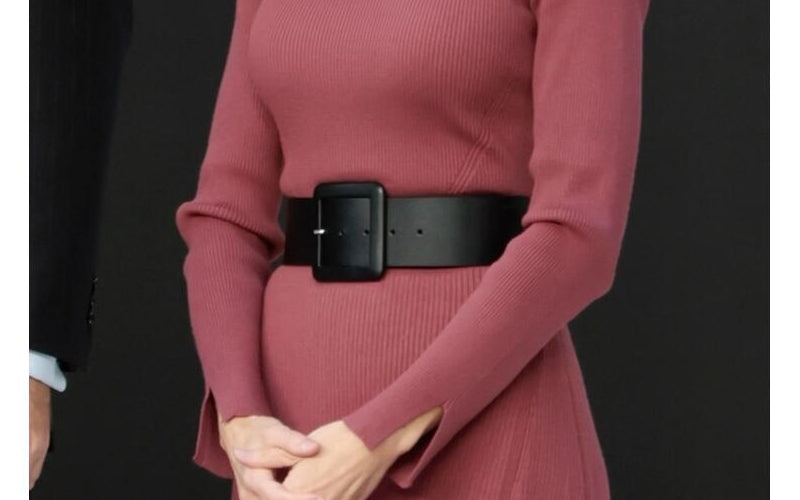
Women can absolutely wear belts with suits in 2026 — and the rules are even more flexible. Women's suiting allows for wider belts, statement buckles, and belts worn over blazers as a waist-defining accessory, not just threaded through trouser loops.
The Who What Wear 2026 belt guide highlights belts as "the jewelry for your waist" in women's suiting. A 1" to 1.25" slim belt with a clean buckle works inside trouser loops. A wider statement belt cinched over a blazer creates an entirely different — and equally stylish — silhouette. For more specific guidance, see our article on whether women should wear a belt with a suit.

The Bottom Line
Belts with suits are not out of style in 2026. If your suit trousers have belt loops, wearing a belt isn't optional — it's expected. The shift is in quality and subtlety: slim widths (1.25"-1.38"), smooth leather, understated buckles, and colors that match your shoes. The only exception is trousers specifically designed without loops (side adjusters, tab closures), which are meant for a beltless silhouette.
Find the right dress belt for your suits at BELTLEY's dress belt collection — handcrafted full-grain leather, 316L stainless steel buckles, free worldwide shipping, and a 30-day hassle-free return guarantee.

Frequently Asked Questions
Q: Is it unprofessional to wear a suit without a belt?
If your suit trousers have belt loops, yes — empty loops look careless in a professional environment. If your trousers have side adjusters and no loops, going beltless is the intended look and perfectly professional.
Q: What width belt should you wear with a suit?
A dress belt for a suit should be 1.25" to 1.38" (32-35mm) wide. This width fits cleanly through suit trouser loops and maintains a sleek, formal profile. Anything wider than 1.5" is too casual for structured suits.
Q: Should your belt match your shoes with a suit?
Yes. The belt-shoe color match remains a core rule in formal menswear. Black shoes pair with a black belt, brown shoes with a brown belt. An exact shade match isn't required — same color family is sufficient.
Q: Can you wear a brown belt with a black suit?
Traditional style rules say no — a brown belt with a black suit creates a visual mismatch. However, modern menswear has loosened this rule slightly for casual or unstructured suits. For formal settings, stick to black on black.

Q: What buckle style is best for a suit belt?
A small, flat buckle in polished silver or gold is the standard for suit belts. Avoid oversized, logo-heavy, or ornate buckles with formal suits. The buckle metal should coordinate with your watch and cufflinks.
Q: Are suspenders better than belts with suits?
Neither is "better" — they serve different aesthetics. Suspenders (braces) create a cleaner trouser line since there's no buckle bulk, but they require a jacket to look complete. Belts are more versatile and work whether the jacket is on or off. Never wear both simultaneously.